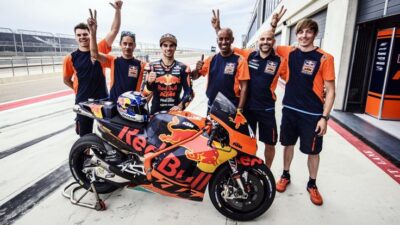
KTM’s Success in MotoGP: Breakthroughs, Riders, and Racing Impact
KTM entered MotoGP in 2017 as a newcomer to the premier class of motorcycle racing. The Austrian manufacturer faced established giants like…




4
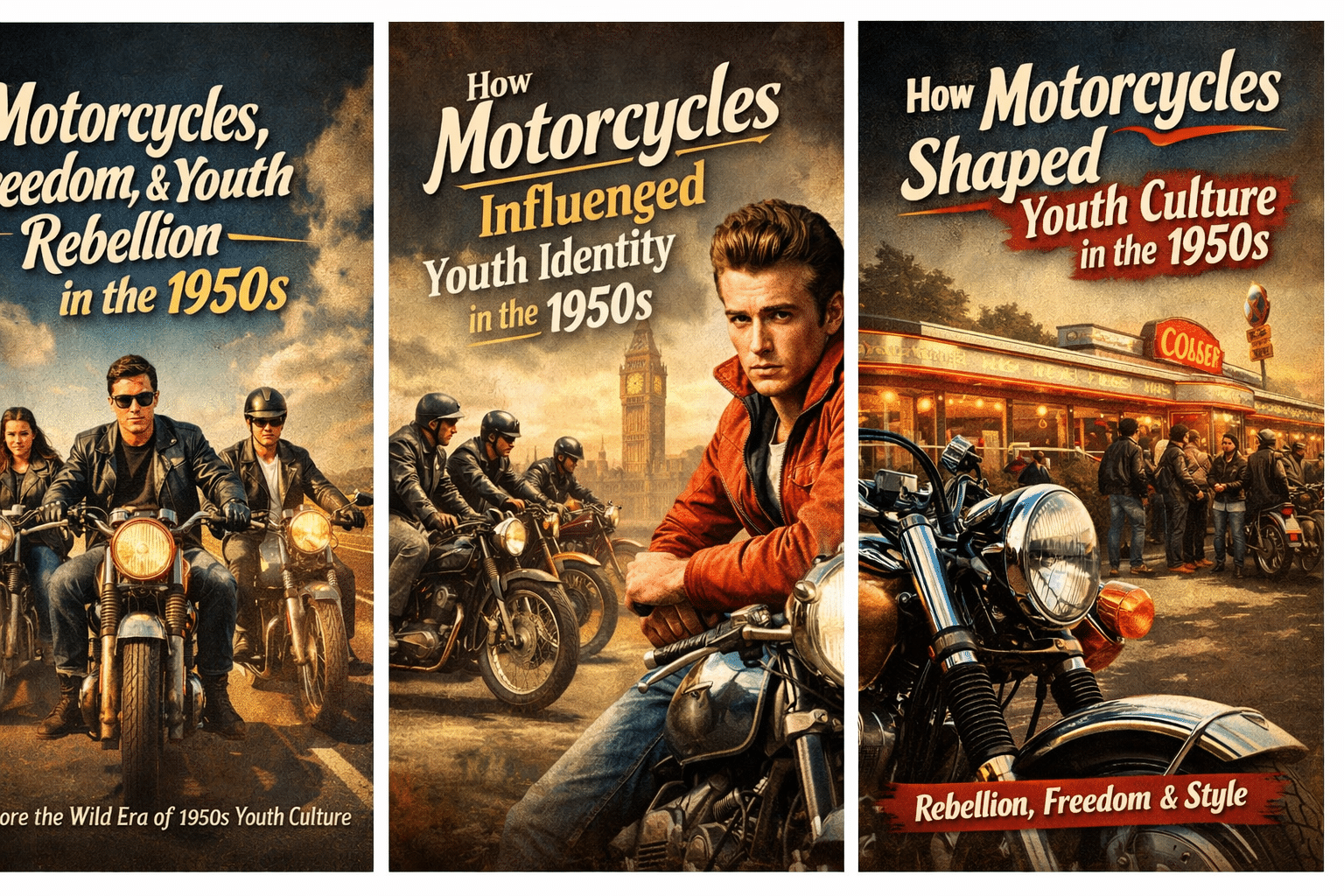
The 1950s were a turning point in modern youth culture. After World War II, young people were seeking new forms of identity, freedom, and rebellion. One of the most unexpected catalysts for this cultural shift was the motorcycle — a machine that became as symbolic as the leather jacket or the jukebox.
From the open highways of the United States to the burgeoning café scenes in Europe, motorcycles transformed how young people saw themselves and how society viewed youth.
In the post-war period, motorcycles became affordable and abundant. Many servicemen returned home with mechanical skills and a taste for speed. Bikes quickly evolved from practical transport to vehicles of self-expression.
This was not just transportation — it was freedom on two wheels. For countless young riders, motorcycles represented an escape from conformity and the rigidity of 1950s suburban life.
👉 Learn more about youth identity in the 1950s in our article on post-war cultural shifts.
Motorcycle clubs and informal groups of riders helped incubate some of the earliest youth subcultures. The “greasers,” often portrayed in films and magazines, embraced:
This visual style quickly became tied to the idea of rebellion — a reaction against mainstream expectations.
Check out 1950s fashion and youth expression for a deeper look at how clothing reflected identity.
Hollywood played a huge role in cementing motorcycles in youth imagination. Films like The Wild One (1953), starring Marlon Brando, portrayed motorcycle riders as both outsiders and icons. These images weren’t just entertainment — they shaped real attitudes.
Music, too, celebrated the open road. Early rock-and-roll was the perfect soundtrack for cruising and rebellion.
Explore how media influenced youth in our piece on music and identity in the 20th century.
Across the Atlantic, British youths adapted motorcycles into the café racer movement. Riders modified bikes to be faster and more agile — perfect for racing between cafés and gathering spots.
The café racer culture emphasized:
✔ Speed
✔ Individual style
✔ Brotherhood
✔ Late-night rides
This scene laid the groundwork for later motorcycle communities worldwide.
You might also enjoy European youth movements of the 1950s.
By the end of the decade, motorcycles had done more than give young people a hobby — they helped define an entire generation.
The impact of 1950s motorcycle culture can be seen in:
Want to learn how this legacy continued into later decades? Check out motorcycle culture in the 1960s.

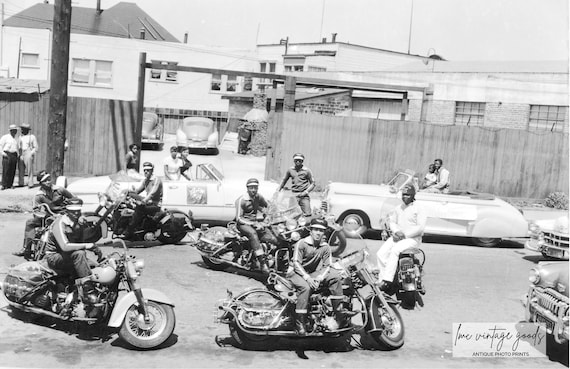
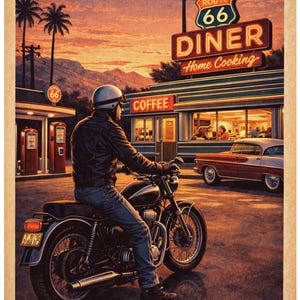
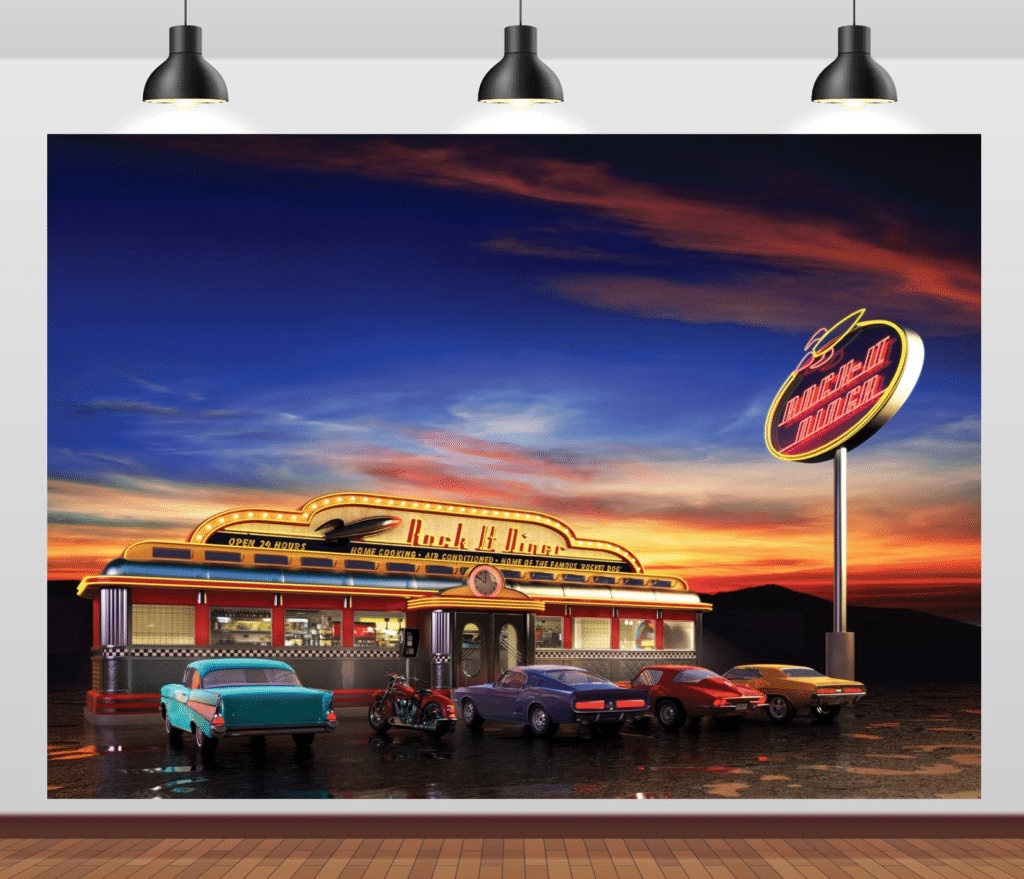
The motorcycle was more than a machine — it was a cultural engine that shaped attitudes, style, and identity in the 1950s. It gave young people a voice and a way to push back against social expectations. Whether cruising Route 66 or racing café to café in London, those early riders helped define what it means to be young, free, and unafraid to challenge the status quo.