Motorcycles in Developing Countries: Affordable Mobility & Impact
Motorcycles have become the backbone of transportation in many developing countries around the world. In cities and rural areas across Asia,…



The Vespa scooter transformed from a simple transportation solution in post-war Italy to one of the world’s most recognizable brands. Vespa began in 1946 when Enrico Piaggio created a practical vehicle for Italians rebuilding their lives after World War II, eventually becoming a global symbol of freedom and style that spans nearly 80 years of history.

What started as a necessity quickly evolved into something much bigger. The distinctive design and affordable price made Vespa popular with young people who wanted independence and mobility. The brand name became so common that it replaced the word “scooter” in everyday conversation across many countries.
Vespa’s influence spread far beyond Italy, shaping youth culture, fashion, and urban transportation worldwide. The company expanded through exports and direct investments in other countries. Today, Vespa continues to adapt with new technology while keeping the classic style that made it famous.
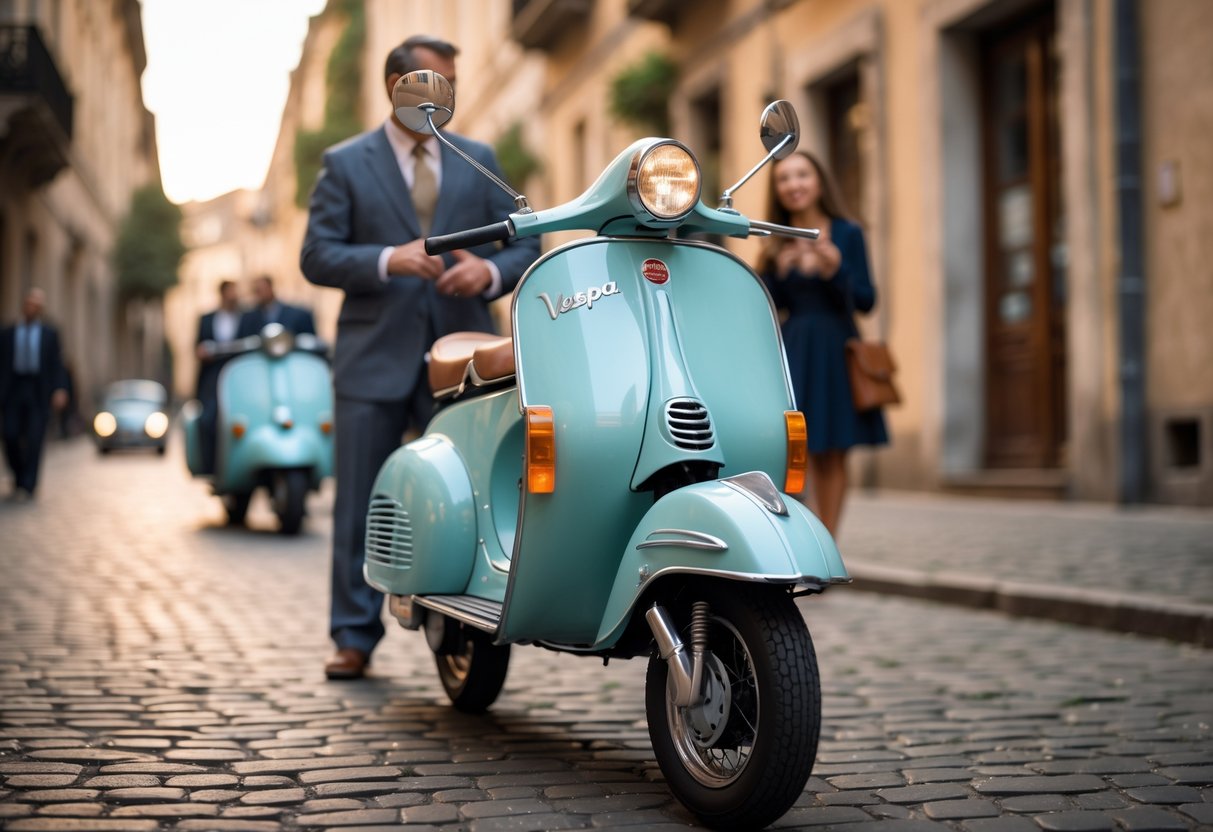
The Vespa scooter emerged from Italy’s urgent need for affordable transportation after World War II, combining Enrico Piaggio’s business vision with revolutionary engineering design. Vespa was founded in 1946 through the collaboration of industrialist Enrico Piaggio and aeronautical engineer Corradino d’Ascanio, who created a vehicle that would transform post-war mobility.
Enrico Piaggio inherited a company devastated by wartime bombing in 1946. His aircraft factories lay in ruins, forcing him to pivot toward civilian transportation needs.
Piaggio recognized that post-war Italy needed an affordable, simple, and accessible vehicle for a population struggling to rebuild. Traditional motorcycles were expensive, dirty, and difficult for many people to operate.
His vision centered on creating a vehicle that would:
Piaggio wanted to democratize personal mobility. He sought to design something elegant enough for city streets yet practical for everyday use.
Corradino d’Ascanio brought his aircraft engineering expertise to the scooter project. His aeronautical background led to several revolutionary design choices.
D’Ascanio’s key innovations included a unibody steel construction that enclosed the engine and drivetrain. This design kept riders clean and protected mechanical components from weather and debris.
The engineer implemented small wheels for better maneuverability in crowded Italian cities. He positioned the engine beside the rear wheel rather than between the rider’s legs like traditional motorcycles.
Key Technical Features:
The revolutionary design offered a front shield for wind protection and eliminated the need for riders to straddle a fuel tank.
The name “Vespa” means “wasp” in Italian. Enrico Piaggio reportedly chose this name after seeing the prototype’s narrow waist and hearing its distinctive buzzing sound.
The very first model, the Vespa 98, immediately captured the public’s imagination when it debuted in April 1946. The number “98” referred to its 98cc engine displacement.
Vespa 98 Specifications:
The first production run began slowly, with only 2,484 units sold in 1946. However, word spread quickly about this innovative transportation solution that combined practicality with Italian style.
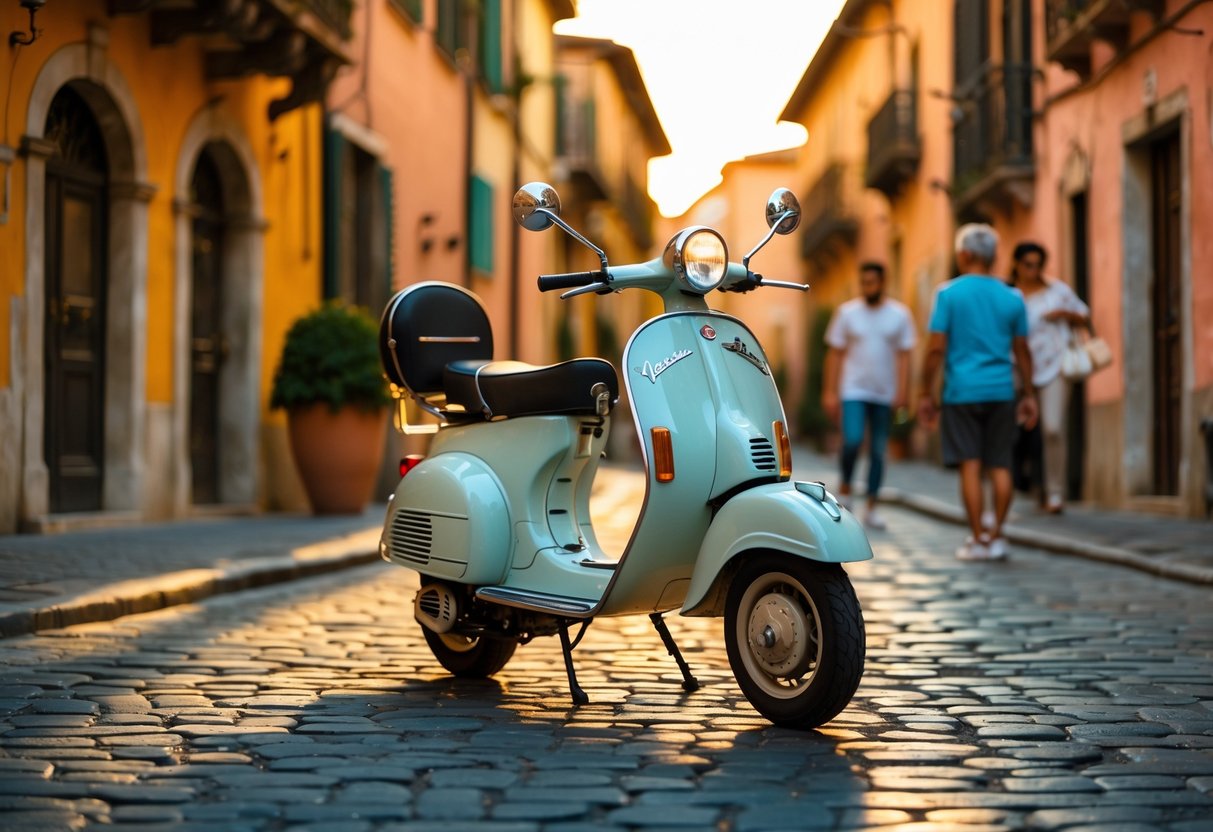
The Vespa transformed from a post-war transportation solution into a cultural phenomenon that defined Italian identity. Italian society embraced the scooter as both practical transport and a symbol of the emerging dolce vita lifestyle.
Piaggio officially launched the Vespa in 1946, introducing Italians to an entirely new form of mobility. The timing proved perfect for a war-torn nation seeking affordable transportation options.
The scooter’s name, meaning “wasp” in Italian, immediately resonated with consumers. The word suggested summer freedom and combined lightness with durability. Early buyers appreciated the Vespa’s practical advantages over traditional motorcycles.
Key Reception Factors:
The millionth Vespa rolled off production lines by June 1956, with numbers reaching two million by 1960. This rapid growth demonstrated how quickly Italians accepted the scooter as their preferred urban transport.
Italian families embraced the Vespa across all social classes during the 1950s economic boom. The scooter became particularly popular among young people who saw it as a gateway to independence and mobility.
Women found the Vespa especially appealing because its design protected clothing better than traditional motorcycles. The enclosed bodywork and step-through frame made it practical for wearing dresses and skirts.
Social Impact Areas:
The Vespa also created new social spaces. Vespa clubs opened across Europe during this period, fostering communities around the brand. These clubs organized group rides and social events that strengthened brand loyalty.
The Vespa evolved beyond mere transportation to become an expression of stile italiano. Piaggio’s marketing campaigns transformed the scooter into an icon and object of desire through strategic advertising.
Marketing Evolution:
Advertising executive Gilberto Filippetti connected the Vespa to young people’s new behaviors, creating campaigns that challenged conformism. The famous slogan “Chi Vespa… mangia le mele” (Those who Vespa… eat apples) exemplified this creative approach.
The scooter became central to Italy’s emerging dolce vita culture. It appeared in films, fashion shoots, and celebrity endorsements that cemented its status as a lifestyle symbol rather than just transportation.
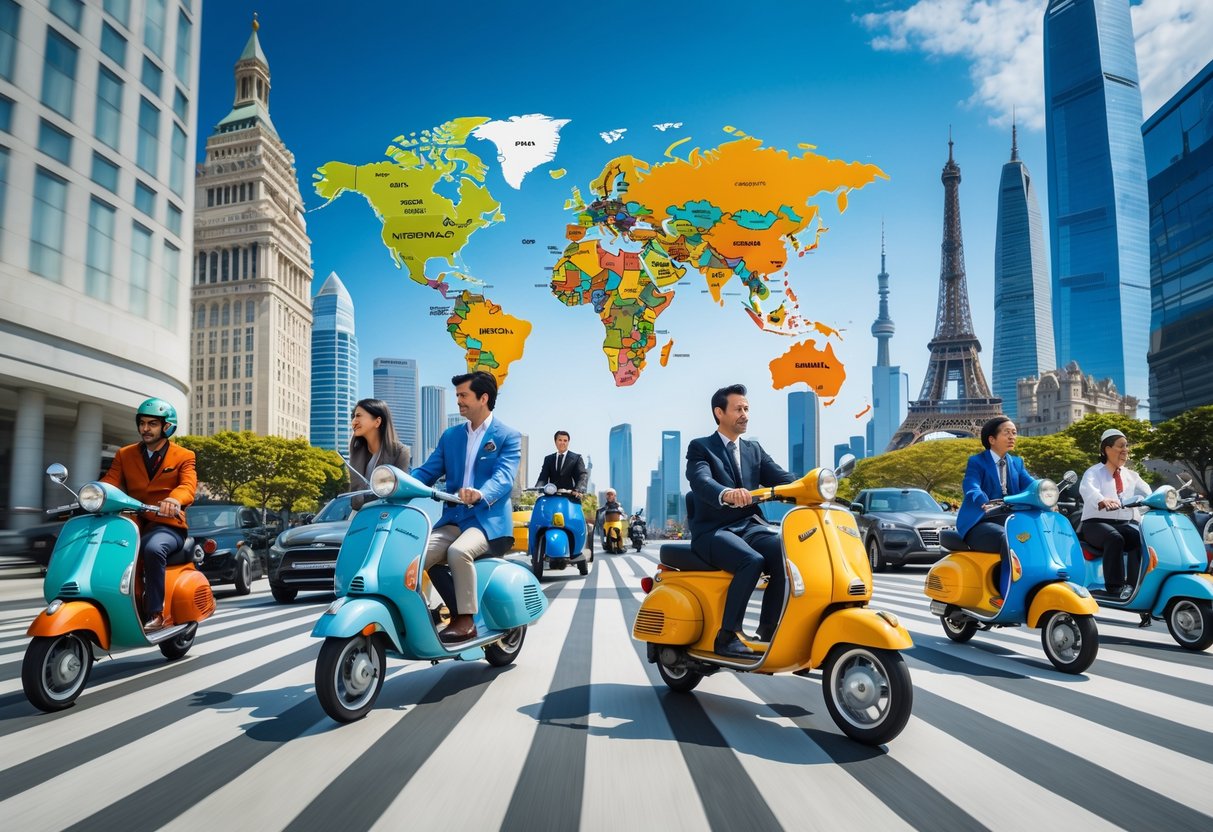
Vespa’s transformation from Italian necessity to worldwide phenomenon occurred through strategic expansion into European markets, powerful Hollywood endorsements, and the organic growth of passionate communities. The brand achieved global recognition by the 1960s through memorable film appearances and dedicated enthusiast networks spanning continents.
Vespa became Italy’s ambassador to the world during the 1960s and 1980s expansion period. The company moved beyond Italy’s borders with remarkable speed, establishing manufacturing and distribution networks across Europe first.
The scooter’s appeal transcended national boundaries. Vespa achieved truly global trajectory through exports and direct overseas investments. While deeply rooted in Italian design philosophy, the brand adapted quickly to European tastes and preferences.
Production numbers demonstrate this explosive growth. More than 1.6 million Vespas have taken to roads worldwide in the past decade alone. The company now operates manufacturing sites in three countries, serving markets from Asia to the Americas.
Key Expansion Markets:
Cinema transformed Vespa from transportation into cultural icon. The 1953 film Roman Holiday starring Audrey Hepburn and Gregory Peck gave Vespa global fame, creating an indelible association between the scooter and romantic adventure.
Audrey Hepburn’s ride through Rome with Gregory Peck became one of cinema’s most memorable scenes. This single film sequence introduced millions of viewers worldwide to Vespa’s elegant design and carefree spirit. The movie positioned the scooter as sophisticated yet accessible.
Vespa continued its cinematic presence in films like Quadrophenia and The Talented Mr. Ripley. Each appearance reinforced the brand’s connection to youth culture, rebellion, and personal freedom. Hollywood’s endorsement proved more valuable than traditional advertising campaigns.
The entertainment industry’s embrace extended beyond movies. Music videos, television commercials, and popular songs featured Vespa prominently, cementing its status as a lifestyle symbol rather than mere transportation.
Vespa clubs have multiplied since 2010, creating hundreds of associations and rallies across the globe. These organizations unite generations and nationalities through shared passion for the Italian scooter.
Vespa enthusiasts organize regular gatherings, restoration workshops, and touring events. Club members range from teenagers discovering vintage culture to older riders who experienced Vespa’s original rise. This intergenerational appeal distinguishes Vespa from other motorcycle brands.
The clubs serve multiple functions beyond social networking. They preserve technical knowledge, maintain parts availability for vintage models, and organize charity rides. Many clubs publish newsletters, maintain online forums, and coordinate with international Vespa events.
Modern Club Activities:
These communities transformed individual ownership into collective culture, ensuring Vespa’s continued relevance across changing generations.
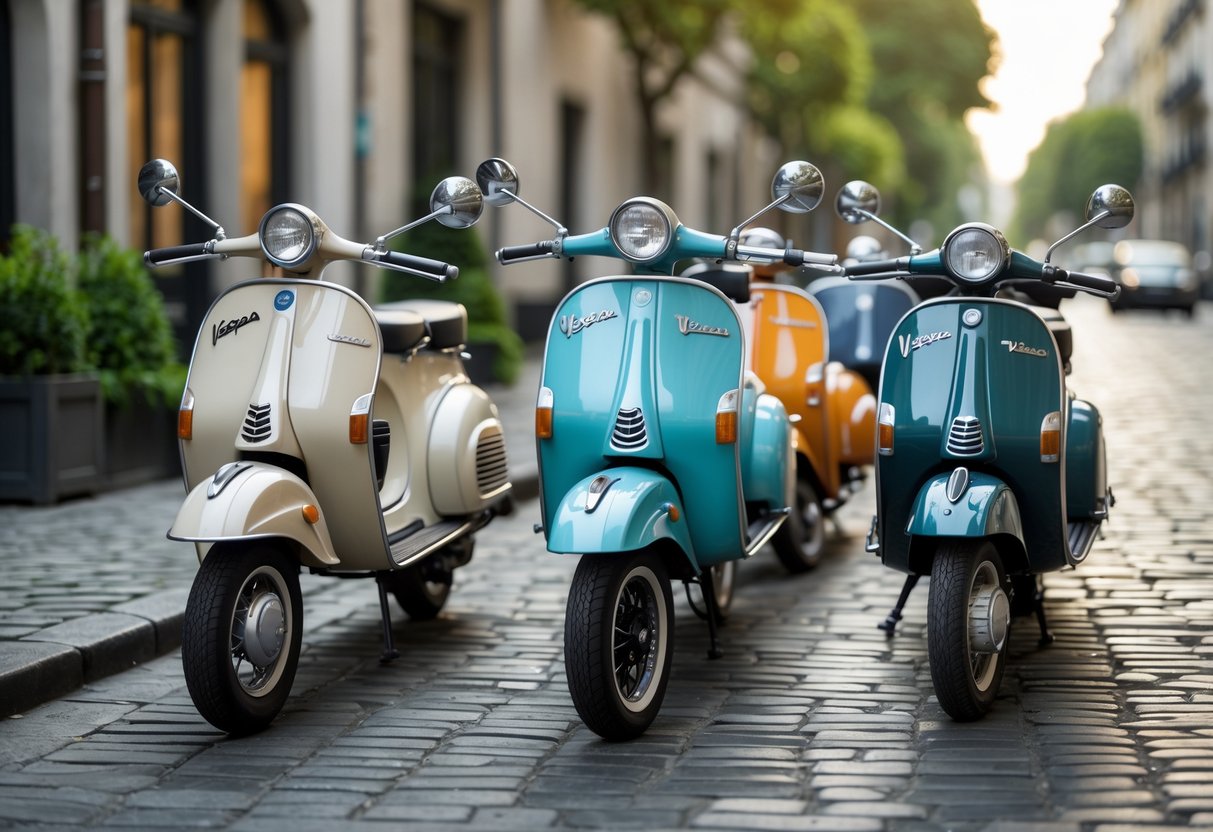
Vespa’s design journey spans nearly eight decades of continuous refinement and innovation. The brand has maintained its distinctive Italian aesthetic while adapting to changing consumer needs and technological advances.
The original Vespa 98 launched in 1946 established the foundation for all future models. This first scooter featured a 98cc engine and the signature step-through frame design that made it accessible to riders of all backgrounds.
The 1950s brought the Vespa 125, which became one of the most popular models worldwide. Its larger engine and improved comfort features helped establish Vespa as a serious transportation option rather than just a novelty.
During the 1960s, the Vespa 180 SS (Super Sport) represented the brand’s move toward performance-oriented models. This model featured enhanced speed capabilities and sportier styling that appealed to younger riders.
The 1970s introduced the Vespa PX series, which became legendary for its durability and reliability. Two Vespa PX 200 models even completed the grueling Paris-Dakar rally in 1980, proving the scooter’s remarkable toughness.
Vespa’s monocoque steel body construction set it apart from competitors using traditional motorcycle frames. This design provided better protection from weather and road debris while creating the scooter’s distinctive enclosed appearance.
The automatic transmission system eliminated the need for manual gear shifting. This feature made Vespa scooters particularly appealing to new riders and urban commuters who wanted simple, reliable transportation.
Key innovations include:
The spare tire mounted on the side panel became an iconic design element. This practical feature also contributed to the scooter’s balanced aesthetic proportions.
Piaggio consistently emphasized stile italiano throughout Vespa’s evolution. The company maintained clean, elegant lines while incorporating functional improvements that never compromised the scooter’s visual appeal.
Color options expanded significantly over the decades. Early models came in basic colors, but later versions offered vibrant hues that reflected contemporary fashion trends and personal expression.
The hexagonal headlight design became a signature styling cue. This distinctive shape helped create instant brand recognition while providing practical illumination for night riding.
Modern Vespa models preserve classic proportions while integrating contemporary materials and finishes. Chrome accents, leather seats, and precision-crafted details maintain the premium feel that distinguishes Vespa from mass-market alternatives.
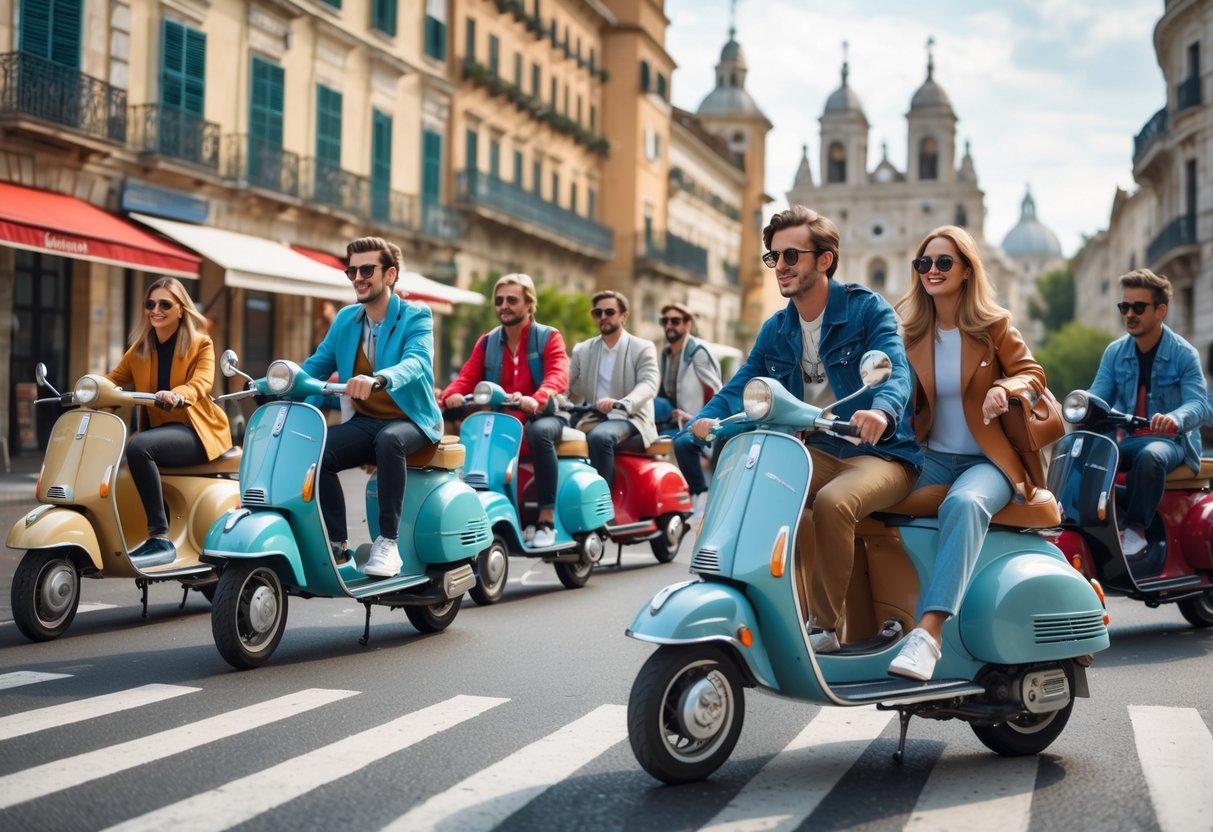
The Vespa transformed from practical transportation into a powerful cultural symbol that shaped Italian identity and influenced global lifestyle trends. Its appearances in iconic films and advertising campaigns created an enduring image of European sophistication, while passionate communities of enthusiasts continue to celebrate the scooter’s legacy worldwide.
The Vespa’s cinematic debut in Roman Holiday (1953) starring Audrey Hepburn and Gregory Peck became legendary. This iconic scene transformed the scooter from mere transportation into a symbol of Italian culture and fashion, with the film essentially serving as a commercial for the brand.
The scooter’s film appearances extended far beyond its Roman debut. [Movies like An American in Paris (1951) and The Talented Mr. Ripley (1999) continued Vespa’s cinematic legacy](https://fellowtable.com/2024/10/07/the-post-war-small-cars-how-vespa-became-a-symbol-of-italian-culture/), while Quadrophenia by The Who connected the Vespa to youth rebellion and music culture.
These film appearances weren’t accidental. Directors consistently chose Vespas to represent European charm, freedom, and style. The scooter became a visual shorthand for the Italian way of life in cinema.
The Vespa epitomized the dolce vita lifestyle that defined 1950s and 1960s Italy. Its elegant design kept riders’ clothes clean while maintaining an air of sophistication that appealed to fashion-conscious Europeans.
The Vespa became popular across Europe and the United States, symbolizing European chic and the allure of stile italiano. Fashion magazines featured models posed with Vespas, cementing the connection between the scooter and style.
Advertising campaigns capitalized on this image, portraying Vespa riders as cultured, stylish individuals living life to the fullest. The campaigns often featured well-dressed couples exploring scenic locations, reinforcing the Vespa’s association with romance and adventure.
The scooter’s influence on fashion extended beyond mere aesthetics. It represented a new mobility that allowed people to maintain their style while navigating city streets, contributing to the modern urban lifestyle.
Vespa’s iconic design has fueled passionate communities worldwide, united by a love for two-wheeled adventure. Vespa clubs span the globe, bringing together enthusiasts who share restoration tips, organize rallies, and celebrate the scooter’s heritage.
These communities organize regular events:
The phenomenon unites generations and nationalities, with older enthusiasts passing knowledge to younger riders. Many clubs focus on preserving Vespa’s history through documentation and restoration projects.
Vespa enthusiasts often view their scooters as more than vehicles. They represent a lifestyle choice that values craftsmanship, community, and the joy of slower travel over pure efficiency.
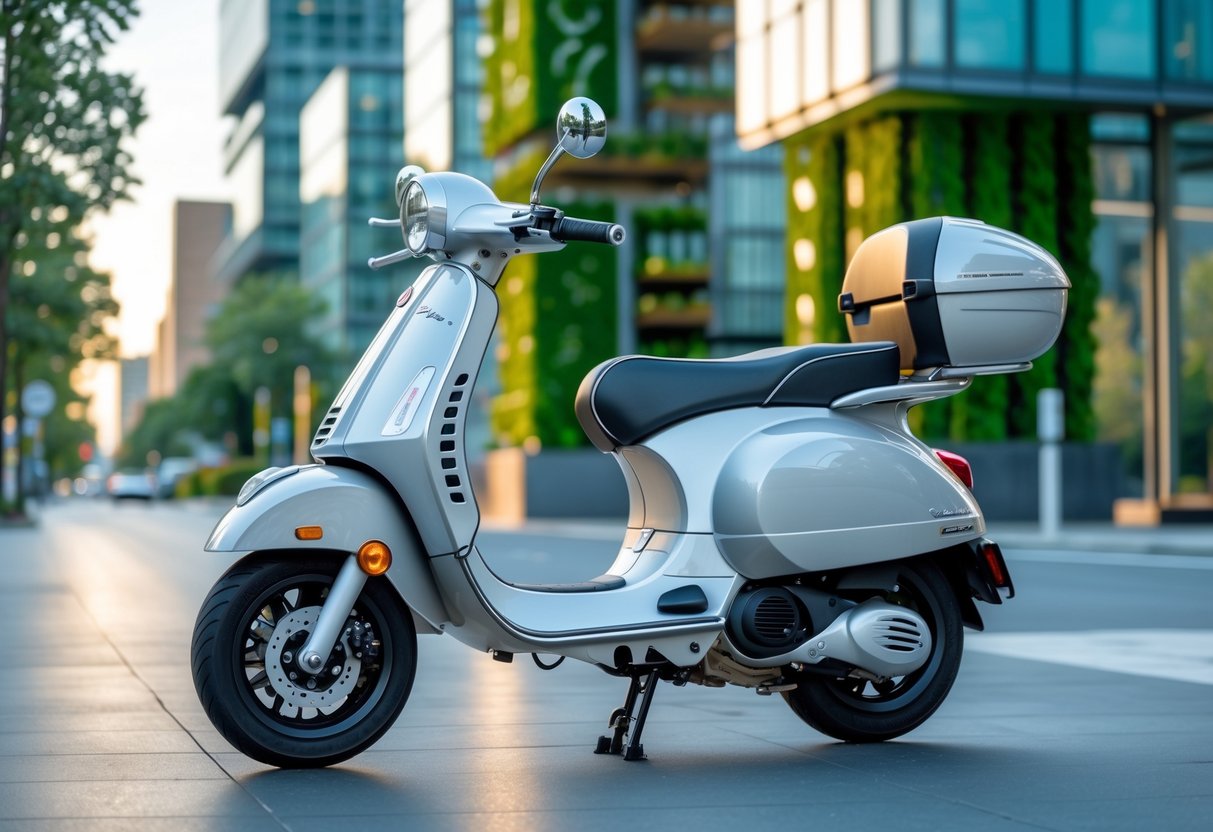
Vespa has embraced the digital age with electric models and smart connectivity features. The brand now focuses on eco-friendly transportation solutions while maintaining its iconic Italian design heritage.
Piaggio launched the Vespa Elettrica in 2018 as its first fully electric scooter model. This battery-powered vehicle delivers zero emissions while preserving the classic Vespa silhouette that riders love.
The Elettrica offers a 45-mile range on a single charge with a top speed of 28 mph. A hybrid version extends the range to 124 miles by adding a small gasoline generator. The scooter features regenerative braking that captures energy during deceleration.
Charging takes four hours using a standard household outlet. The battery pack sits beneath the footboard without changing the traditional Vespa proportions. LED lighting throughout the vehicle reduces energy consumption compared to conventional bulbs.
The electric motor produces instant torque for quick acceleration from stops. This makes city riding smoother and more responsive than traditional gas engines. Sound designers even created artificial motor sounds to maintain the authentic Vespa experience.
Modern Vespa models include smartphone connectivity through the Vespa MIA app system. Riders can track their scooter’s location, monitor battery levels, and access maintenance schedules from their phones.
The digital dashboard displays speed, range, and navigation information on a color screen. Bluetooth connectivity allows hands-free phone calls and music streaming. GPS tracking helps locate stolen vehicles and provides anti-theft alerts.
Some models feature keyless ignition that recognizes the owner’s smartphone. The bike automatically unlocks when the paired device comes within range. Remote diagnostics alert dealers when the scooter needs service.
USB charging ports keep mobile devices powered during rides. Weather-resistant touchscreens work with gloves for year-round operation. Vespa continues pushing boundaries with new technologies while staying true to its heritage design principles.
Urban riders choose Vespa scooters for their compact size and fuel efficiency in crowded city streets. The narrow profile allows lane splitting and easier parking compared to cars or motorcycles.
Electric Vespa models align with city emission reduction goals. Many European cities offer special parking zones and charging stations for electric two-wheelers. Some municipalities provide tax incentives for zero-emission vehicles.
Modern urban benefits include:
Vespa represents freedom and style across global cities from Rome to London. Young professionals use them for daily commuting while maintaining a fashionable image.
Ride-sharing services now include Vespa scooters in some markets. This expands access to the brand without requiring ownership. The classic design attracts users who want distinctive transportation that stands out from generic alternatives.

People often ask about specific Vespa models, design features, and pricing details when learning about this Italian scooter brand. These questions cover everything from the brand’s key development phases to what makes certain models stand out from others.
Vespa began in 1946 when Enrico Piaggio created the first model after World War II. The company designed this original scooter to give Italians affordable transportation during the post-war recovery period.
The brand grew steadily over the decades. Production numbers show this growth clearly. In 2006, Vespa made 100,000 scooters worldwide.
By 2017, that number jumped to 180,000 units. The company reached a record of over 210,000 scooters in 2018.
The past decade has been especially strong for Vespa. More than 1.6 million Vespas have taken to the road during this time period.
Vespa started as an Italian brand but quickly expanded beyond Italy’s borders. The scooter became so popular that many people used “Vespa” instead of “scooter” when talking about these vehicles.
The brand went global through exports and direct investments in other countries. Today, Vespa has manufacturing sites in three countries.
Vespa maintained its appeal by adapting to modern needs while keeping its classic design. The brand represents freedom, style, and Italian culture across different generations.
The Vespa GS series stands out for its larger engine size and enhanced performance capabilities. This model line was designed for riders who wanted more power than the standard Vespa models offered.
The GS models typically feature bigger wheels and improved suspension systems. These upgrades provide better handling and comfort for longer rides.
The styling of GS models often includes more aggressive design elements. The front fairing and body panels have sharper lines compared to classic Vespa designs.
The original 1946 Vespa featured a steel body that enclosed the engine and mechanical parts. This design protected riders’ clothes from grease and dirt, unlike motorcycles of that era.
The step-through frame made it easy for anyone to ride, including people wearing dresses or formal clothing. The flat floorboard provided a stable place to rest feet while riding.
The front-mounted spare tire became a signature design element. The rounded body panels and curved lines gave the scooter a friendly, approachable appearance that set it apart from harsh-looking motorcycles.
Vespa scooters typically cost more than many other scooter brands because of their premium materials and Italian craftsmanship. The steel body construction and attention to detail justify the higher price point.
The brand’s strong resale value shows its lasting appeal. Well-maintained vintage Vespas often sell for significant amounts, sometimes more than their original purchase price.
Modern Vespa pricing reflects the brand’s position as a lifestyle product rather than just basic transportation. Buyers pay extra for the style, heritage, and social status that comes with owning a Vespa.
The Vespa PX series, produced from 1977 to 2014, is often considered the most iconic model. This design stayed largely unchanged for decades, proving its timeless appeal.
Many enthusiasts also praise the early 1960s GS models for their elegant proportions and classic styling. The GS 160 from this era represents the peak of traditional Vespa design.
The ET series from the 1990s gained recognition for successfully modernizing Vespa design while keeping the brand’s essential character. These models bridged the gap between vintage charm and contemporary functionality.