Embrace the Ride! Unpacking the Exhilarating Rise of Scooter Culture in Europe
Step aside, traditional transport! There’s a vibrant, two-wheeled revolution sweeping across the cobblestone streets and bustling…


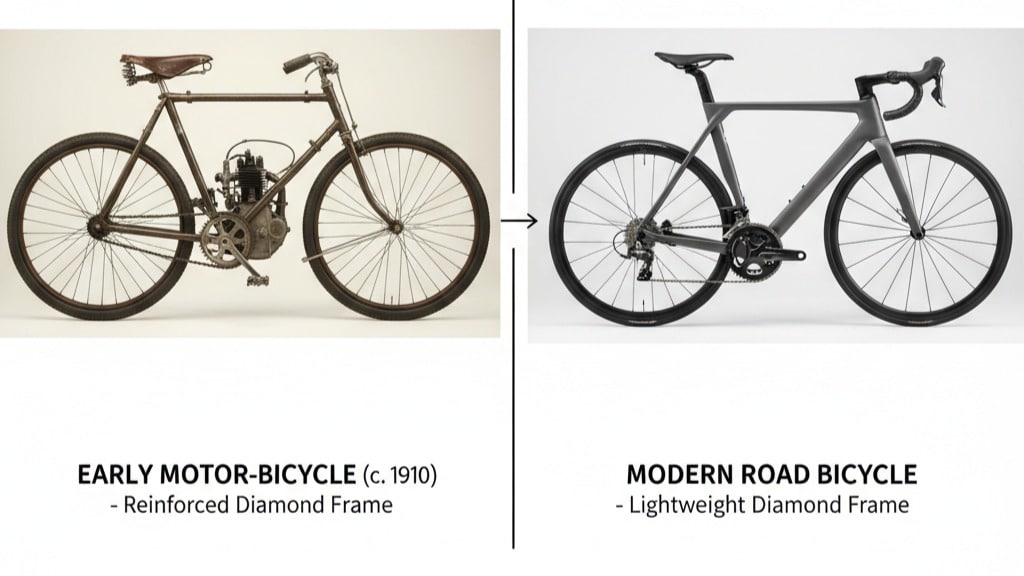
Prepare to embark on a fascinating journey through the intertwined histories of two of humanity’s most cherished modes of personal transport: the motorcycle and the bicycle. Often seen as distinct entities, their evolution has been far from separate. In fact, a deep dive reveals a captivating story of shared innovation, mutual inspiration, and continuous improvement. This article will unravel how motorcycles influenced modern bicycles, demonstrating that the roar of an engine often sparked groundbreaking advancements for pedals and human power. Get ready to discover the surprising ways these two-wheeled marvels have shaped each other, leading to the incredible bikes we ride today!
Before we delve into the specifics, let’s consider the overarching pros and cons of this historical cross-pollination between motorcycles and bicycles. This exchange of ideas, while overwhelmingly positive, also presented unique challenges and considerations.
| Pros | Cons |
|---|---|
| – Accelerated technological innovation in components. | – Initial added weight from robust motorcycle-inspired parts. |
| – Enhanced safety features, particularly in braking. | – Potential for over-engineering for simpler bicycle applications. |
| – Improved ride comfort and control through suspension. | – Increased complexity and maintenance requirements for some designs. |
| – Diversification of bicycle types (e.g., mountain bikes). | – Higher manufacturing costs for advanced components. |
| – Greater durability and reliability of frames and parts. | – Some designs might lose the “pure” simplicity of traditional bicycles. |
The very beginning of the motorized two-wheeler saw a blurring of lines so profound that distinguishing between an early motorcycle and a beefed-up bicycle was often an academic exercise. In the late 19th century, as internal combustion engines became smaller and more reliable, inventors naturally looked to the existing bicycle as a platform for their new power sources. This wasn’t about building a new vehicle from scratch; it was about enhancing an already successful design.
Consider the Reitwagen, often credited as the world’s first motorcycle, built by Gottlieb Daimler and Wilhelm Maybach in 1885. While it had an engine, its basic form factor – two main wheels, a steerable front, and a rider astride a central frame – was unmistakably bicycle-like. This foundational connection meant that any innovation in one often found its way, either directly or indirectly, into the other. They were, in essence, siblings born of the same desire for efficient personal locomotion. The early adoption of a rigid diamond frame, for instance, proved its worth in both pedaled and motorized versions, laying the groundwork for future structural developments. Indeed, the very concept of a single-track vehicle being stable and efficient was perfected by the bicycle before the engine was even conceived. This early period was less about influence and more about parallel evolution and shared discovery. You can explore more about the pioneers of motorcycling, like Gottlieb Daimler and the first gasoline motorcycle, to see just how intertwined these initial developments were.
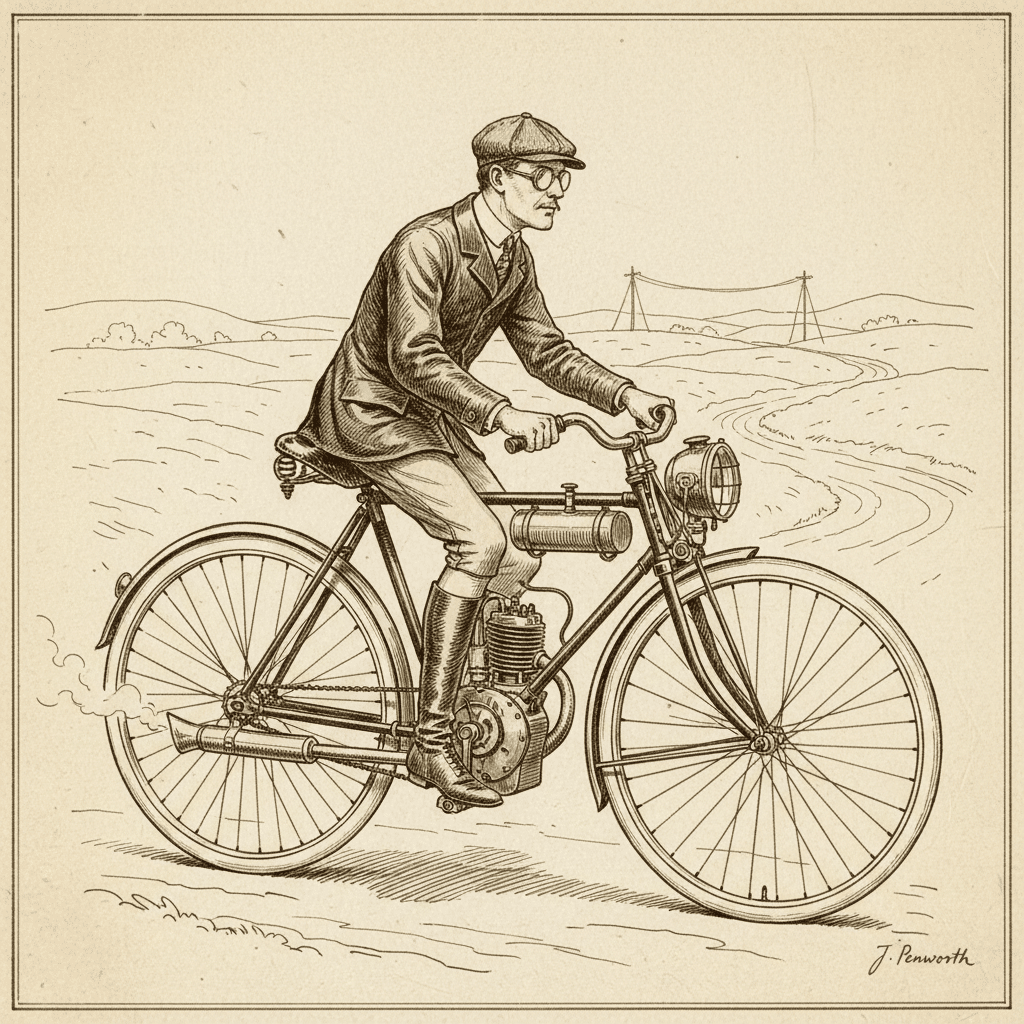
The frame is the skeletal system of any two-wheeled vehicle, dictating its strength, handling, and ride quality. While early bicycles initially experimented with various shapes, the ‘diamond frame’ quickly emerged as the dominant design for its optimal balance of stiffness and lightness. However, it was the burgeoning motorcycle industry that truly pushed the boundaries of frame engineering, and bicycles were quick to reap the benefits.
As engines grew more powerful and speeds increased, motorcycle frames needed to withstand immense stresses. This led to the reinforcement and refinement of the traditional diamond frame structure, often incorporating double-downtubes, stronger head tubes, and more robust rear triangles. These advancements trickled down to bicycles. Cyclists, especially those venturing off-road or seeking higher performance, demanded frames that could handle more abuse and provide better power transfer. The motorcycle’s emphasis on durability and rigidity became a benchmark for high-performance bicycle frames, moving beyond simple tubes to engineered structures.
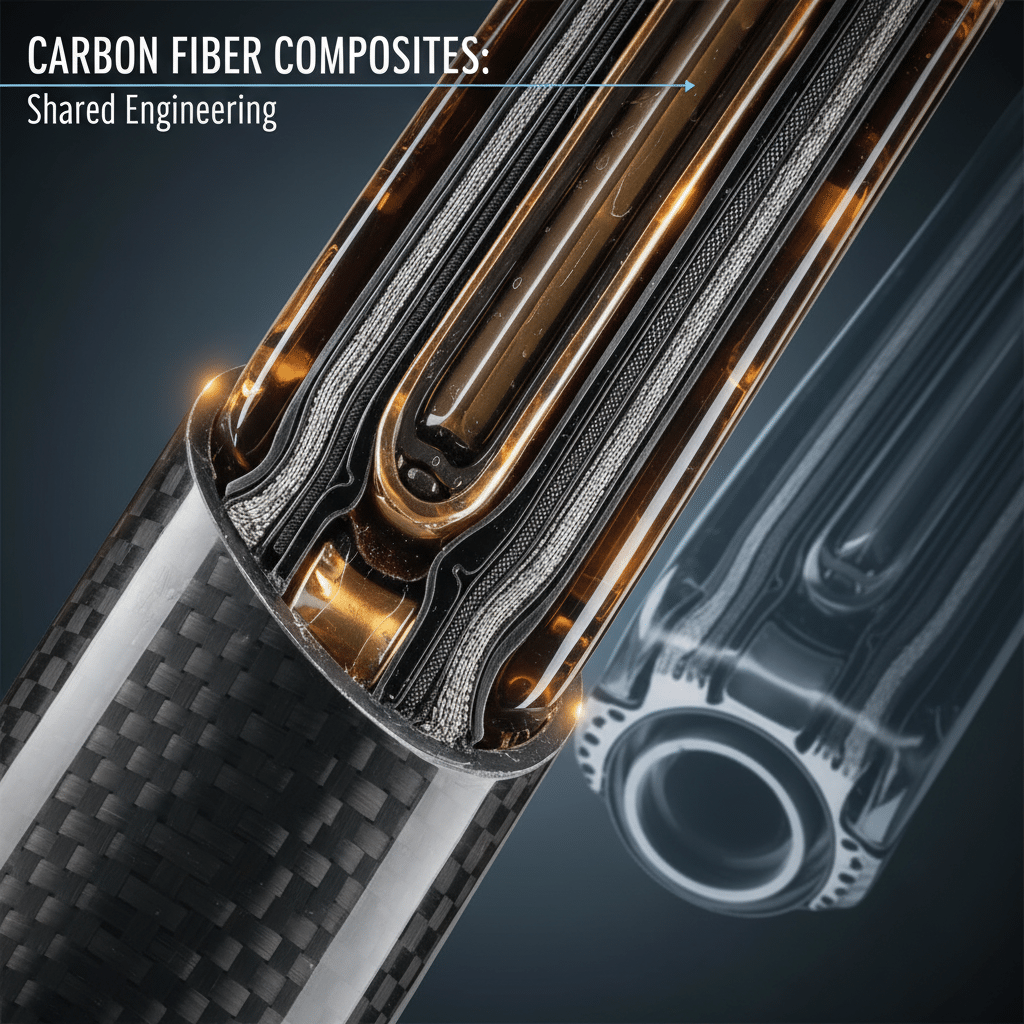
The quest for lighter, stronger frames in motorcycling – particularly in racing – spearheaded the adoption of advanced materials. While early bicycles were predominantly steel, motorcycles pushed for lighter alloys like aluminum. The lessons learned in welding, shaping, and stress-testing aluminum for motorcycle chassis directly informed its widespread use in bicycle manufacturing. More recently, the development of carbon fiber composites, initially revolutionized by aerospace and then refined in high-performance motorcycle racing, has profoundly impacted modern bicycle design. The intricate weave patterns and specific layups perfected for motorcycle components, aiming for both strength and controlled flex, provided a blueprint for creating incredibly lightweight yet robust bicycle frames. This constant pursuit of the optimal strength-to-weight ratio in motorcycles ultimately delivered vastly superior frames to the cycling world. The materials revolution in automotive manufacturing, from wood to carbon fiber, shows a similar trajectory in how materials shape vehicle design.
Perhaps one of the most visible influences on frame design came with the integration of suspension. While early bicycles were rigid, the harsh realities of unpaved roads and the increasing speeds of motorcycles necessitated shock absorption. Front forks became telescopic, and rear swingarms with shock absorbers were developed. When mountain biking exploded in popularity, designers didn’t have to invent suspension from scratch. They looked to motorcycles. Full-suspension mountain bikes, with their complex linkages and integrated shock absorbers, are direct descendants of motorcycle chassis designs. The geometry, pivot points, and even the very philosophy of damping and spring rates owe a massive debt to decades of motorcycle engineering.
Stopping is just as important as going, and here, motorcycles provided an undeniable leap forward for bicycles. Early bicycles relied on simple, often inadequate, caliper or coaster brakes. As speeds increased and safety became paramount, the need for more reliable and powerful braking became critical.
Motorcycles quickly adopted drum brakes for their superior stopping power compared to bicycle calipers. These enclosed systems were more robust and less affected by weather. However, it was the transition to disc brakes that truly revolutionized braking for both. High-performance motorcycles, needing maximum stopping power and heat dissipation, developed sophisticated hydraulic disc brake systems.
The advantages were clear: immense stopping power, excellent modulation, and consistent performance in all conditions. Bicycle manufacturers, especially for mountain bikes, recognized this superiority. Hydraulic disc brakes, initially seen as an exotic and expensive addition, have now become standard on everything from high-end road bikes to entry-level mountain bikes and even many commuter bicycles. The technology, from caliper design to rotor size and hydraulic fluid systems, is directly inspired by motorcycle engineering, adapted for lighter, non-motorized applications. This transfer of technology significantly enhanced rider safety and control, allowing cyclists to tackle more challenging terrain and ride with greater confidence.
For many cyclists, the thought of riding a completely rigid bike on rough terrain is now unthinkable, thanks to the pervasive influence of motorcycle suspension technology. The desire for comfort, control, and performance over uneven surfaces drove significant innovation in motorized two-wheelers, which then elegantly transferred to their pedal-powered cousins.
The telescopic front fork, with its internal springs and hydraulic damping, is a quintessential motorcycle invention. It was designed to absorb bumps, maintain tire contact with the road, and provide predictable steering. When mountain biking emerged as a sport in the late 20th century, these demands became equally relevant for bicycles. Bicycle front suspension forks are direct adaptations of their motorcycle counterparts. From the basic concept of telescoping stanchions and sliders to the intricate internal cartridges containing oil damping systems, the lineage is clear. Early bicycle suspension forks were often heavy and crude, but continuous refinement, drawing lessons from motorcycle racing and engineering, led to the lightweight, highly adjustable, and incredibly effective forks we see today. Even the process of inspecting and maintaining your fork seals on your motorcycle has a direct parallel in the maintenance of high-performance bicycle suspension.
Similarly, the evolution of rear suspension on bicycles is deeply rooted in motorcycle design. From simple swingarms with a single shock absorber to complex multi-link systems (like Horst Link or VPP designs), the goal is the same: isolate the rider from impacts while maintaining pedaling efficiency and traction. Motorcycle engineers spent decades perfecting these systems for off-road racing and street performance, developing principles of leverage ratios, anti-squat, and progressive damping. Bicycle designers then applied these lessons, adapting them for lighter loads and human power, leading to the sophisticated full-suspension mountain bikes that dominate trails worldwide. The ability to fine-tune sag, rebound, and compression on a mountain bike shock owes everything to the engineering prowess first developed in the motorcycle world.

Wheels and tires are the direct interface between the vehicle and the ground. For both motorcycles and bicycles, optimizing this interface for grip, speed, and durability is paramount. Motorcycles, with their higher speeds and heavier loads, naturally pushed the envelope in these areas, and bicycles eagerly adopted the breakthroughs.
The forces exerted by a powerful engine on a wheel are considerable, leading motorcycle engineers to design incredibly strong and durable rims. This influenced bicycle wheel design, particularly for mountain bikes and heavier-duty road applications. Stronger aluminum alloys, double-wall rims, and more robust spoke patterns (e.g., cross-laced spoke designs for increased lateral stiffness) became standard in cycling, directly benefiting from motorcycle testing and design principles. The ability of a wheel to withstand harsh impacts and transmit power efficiently is a shared concern.
Perhaps the most direct influence comes in tire technology. Motorcycle tires, designed for diverse terrains and high-speed cornering, pioneered advancements in rubber compounds, tread patterns, and casing construction. Bicycle tires, especially for off-road use, closely mimic these innovations.
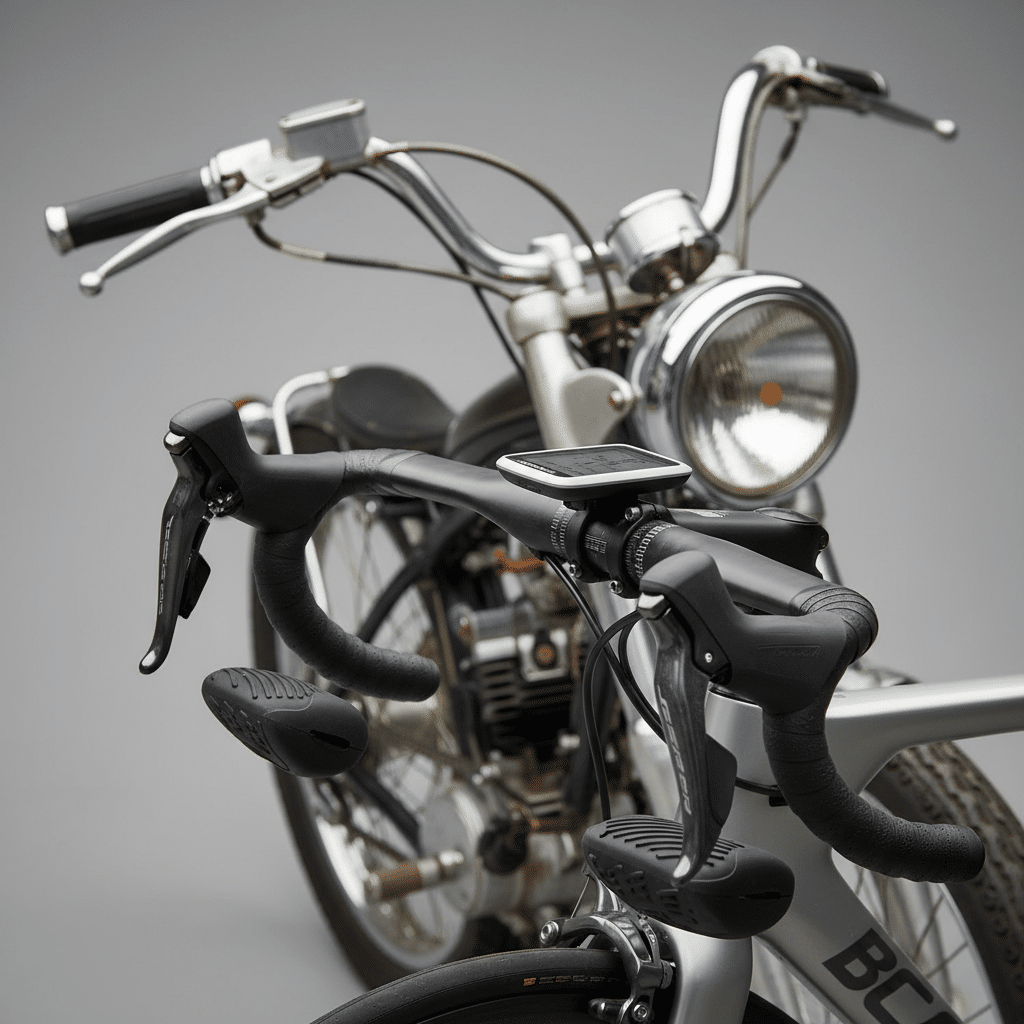
The way a rider interacts with their machine is crucial for both comfort and control. Motorcycles, with their complex array of controls (throttle, clutch, multiple brakes, indicators), have long focused on intuitive and efficient rider ergonomics. This focus has subtly but significantly shaped bicycle cockpit design.
While road bikes retain their classic drop bars, the explosion of mountain biking and other performance-oriented disciplines saw a direct influence from motorcycle handlebars. Wider, flatter bars offer greater leverage and control, especially over rough terrain, mimicking the control and stability provided by motorcycle bars. The placement of brake levers, shifters, and other accessories on a bicycle’s handlebar often reflects the logical and accessible layout perfected on motorcycles. Integrated brake/shift levers on modern road and gravel bikes, while unique in their dual function, reflect the motorcycle’s efficient approach to putting multiple controls at the rider’s fingertips.
Motorcycles have explored a vast spectrum of rider positions, from aggressive racing tucks to upright touring comfort. This ongoing research into rider stability, weight distribution, and fatigue reduction has informed bicycle saddle design and overall bike geometry. Performance bicycle saddles, designed to support the rider’s sit bones and allow for efficient power transfer, benefit from the extensive ergonomic studies conducted for motorcycles. Even the concept of a “comfort bike” with a more upright riding position and plush saddle can be seen as an adaptation of motorcycle touring ergonomics.
The relentless pursuit of speed in motorcycling, particularly in racing, has led to groundbreaking innovations in aerodynamics. While bicycles lack the power to make massive fairings practical, the underlying principles of minimizing drag and optimizing airflow have profoundly influenced high-performance bicycle design.
Motorcycle racing was one of the first arenas to extensively utilize wind tunnels and computational fluid dynamics (CFD) to understand and reduce aerodynamic drag. This research demonstrated the critical role of both the vehicle’s shape and the rider’s body position in achieving maximum speed. Bicycle designers eagerly adopted these insights. The development of aero road bikes, with their sculpted frame tubes, integrated components, and deep-section wheels, directly reflects the aerodynamic principles honed in motorcycling. Time trial bikes, with their aggressive rider positions (e.g., aero bars) and fully faired designs, are perhaps the clearest example of this influence, aiming to make the bike-rider system as slippery as possible through the air. The understanding that “free speed” can be found by optimizing airflow is a shared legacy. The comprehensive understanding of the role of aerodynamics in racing is a concept deeply ingrained in both worlds.
Motorcycles often integrate components like headlights, indicators, and even exhaust systems into the overall aerodynamic profile. This philosophy of integration, where components become part of the whole rather than separate add-ons, has inspired bicycle design. We now see fully integrated brake cables, seatpost clamps, and even cockpits on high-end road and triathlon bikes, all designed to create a cleaner, more aerodynamically efficient package. This minimizes turbulence and allows the air to flow more smoothly over the entire machine.
The fundamental drive for improved performance in both motorcycling and cycling often boils down to a single equation: maximize strength while minimizing weight. Motorcycle racing, with its enormous budgets and high stakes, has consistently been at the forefront of materials science, and its discoveries invariably filter down to the bicycle world.
Early bicycles and motorcycles were largely made from steel. However, the demands of racing and performance quickly pushed for lighter alternatives. Motorcycles were early adopters of aluminum alloys, leveraging their lighter weight while developing sophisticated welding and heat-treatment processes to achieve necessary strength and stiffness. These manufacturing techniques and material specifications became foundational for the shift to aluminum bicycle frames, which offered a significant weight advantage over steel.
Later, the aerospace industry’s advancements in titanium and, most significantly, carbon fiber, found their way into high-performance motorcycling. Carbon fiber, with its incredible strength-to-weight ratio and ability to be molded into complex, aerodynamic shapes, revolutionized motorcycle chassis and component design. Bicycle manufacturers paid close attention. Today, carbon fiber is the material of choice for high-end road, mountain, and gravel bikes, offering unparalleled stiffness, vibration damping, and lightness. The sophisticated layups, resin systems, and manufacturing processes used to create modern carbon bicycle frames owe a tremendous debt to the research and development initially driven by the motorcycle industry. This includes the ability to precisely engineer flex in certain areas for comfort while maintaining rigidity for power transfer—a delicate balance perfected in both realms.
While motorcycles clearly operate at higher speeds and present different risks, the fundamental goal of protecting the rider is universal. Many safety innovations and accessory concepts first refined in the motorcycle world have significantly enhanced the safety and utility of modern bicycles.
Perhaps the most obvious transfer of safety technology is the helmet. Early cyclists wore rudimentary leather caps, offering minimal protection. As motorcycle speeds increased, the need for robust head protection became critical, leading to the development of hard-shell helmets with energy-absorbing liners. Innovations in shell materials (fiberglass, Kevlar, carbon fiber), ventilation, and retention systems, initially perfected for motorcycle racing and street use, directly informed the design of modern cycling helmets. Today’s lightweight, highly protective, and well-ventilated bicycle helmets are direct descendants of their heavier, more robust motorcycle counterparts. This includes advancements in impact absorption technologies and fit systems. The evolution of racing helmets across motorsports has been a continuous drive for safety and performance, benefiting cyclists worldwide.
Motorcycles, by necessity, have sophisticated lighting systems for night riding and daytime visibility. While bicycles historically relied on simple battery-powered lights, the demand for brighter, longer-lasting, and more effective lighting grew. Modern bicycle lights, with their powerful LED arrays, rechargeable batteries, and intelligent modes (e.g., flashing patterns for daytime visibility), draw inspiration from motorcycle lighting advancements. The emphasis on being seen, especially in urban environments, mirrors the motorcycle rider’s constant vigilance.
While less common for casual cycling, specific disciplines like downhill mountain biking, BMX, and aggressive trail riding have adopted substantial protective gear – full-face helmets, body armor, knee pads, and gloves – that bear a striking resemblance to motorcycle off-road gear. The understanding of impact protection, abrasion resistance, and ergonomic design for mobility in these protective garments is a direct transfer of knowledge from motorcycling, where crashes are often more severe.
The influence of motorcycles on bicycles extends beyond tangible components and materials. It has shaped the very spirit of riding, the diversification of cycling disciplines, and the public perception of two-wheeled adventure.
Motorcycles have long been symbols of freedom, adventure, and exploration. This ethos of venturing into the unknown, tackling challenging terrain, and embracing the open road has undeniably permeated cycling culture. The rise of bikepacking, gravel riding, and extreme mountain biking all carry echoes of the motorcycle touring and off-roading spirit. Cyclists, empowered by advanced equipment, now seek similar thrills and experiences, pushing boundaries in ways that might have been unimaginable on rigid, less capable machines of the past.
The specialization seen in motorcycling (e.g., motocross bikes, cruisers, sportbikes, touring bikes) has a clear parallel in the modern bicycle market. We have highly specialized road racing bikes, endurance bikes, gravel bikes, cross-country mountain bikes, downhill bikes, and electric bikes. Many of these categories and their specific design requirements were born out of a desire to replicate the capabilities or experiences offered by specific types of motorcycles, adapted for human power. Even the surging popularity of electric bicycles, which often feature robust frames, powerful motors, and advanced suspension, again blurs the line, directly referencing the motorcycle’s power-assisted convenience while retaining the core cycling experience.

The story of how motorcycles influenced modern bicycles is a testament to shared innovation and the relentless human desire for better, more efficient, and more exhilarating personal transport. From the very inception of motorized two-wheelers, the motorcycle acted as a high-stakes proving ground for engineering concepts that would eventually find their way, refined and adapted, into the bicycle world.
Frame designs became stronger and lighter, braking systems evolved from rudimentary to incredibly powerful, and suspension transformed bone-jarring rides into smooth, controlled glides. The pursuit of speed and safety in motorcycling directly inspired advancements in aerodynamics, materials science, and rider protection, all of which now benefit cyclists across every discipline. The bicycle, far from being a static invention, has continuously evolved, not just through its own internal innovations but significantly through its ongoing dialogue with its motorized cousin. It’s a beautiful exchange of ideas that continues to shape the future of two-wheeled mobility.
So, the next time you swing a leg over your bicycle, take a moment to appreciate the rich, intertwined history beneath you. Every strong frame, every powerful brake, every bump-absorbing fork, and every grippy tire carries a whisper of the roar that helped shape it. It’s a legacy that empowers every pedal stroke and enhances every adventure.
The earliest connection saw inventors in the late 19th century attaching small engines to existing bicycle frames, effectively creating the first “motor-bicycles.” This meant that early design principles, like the diamond frame, were shared from the outset.
Motorcycles, needing to withstand greater power and speed, led to the reinforcement and refinement of the diamond frame structure. They also spearheaded the adoption of lighter, stronger materials like aluminum and carbon fiber, and the integration of full suspension, which were all later adapted for bicycles.
Hydraulic disc brakes, originally developed and refined for high-performance motorcycles, are now standard on many modern bicycles, especially mountain bikes, gravel bikes, and high-end road bikes, offering superior stopping power and modulation.
Yes, absolutely. The telescopic front fork and complex rear swingarm systems with shocks, developed for comfort and control in motorcycling, directly inspired and served as the blueprint for bicycle suspension, especially in mountain biking.
Motorcycle tire development led to advancements in rubber compounds, diverse tread patterns for different terrains, and stronger casing constructions. These innovations directly informed the design of modern bicycle tires, offering improved grip, durability, and performance.
Motorcycles fostered a culture of adventure, freedom, and exploration that influenced cycling. This led to the diversification of bicycle disciplines, such as bikepacking and extreme mountain biking, and even the design philosophy for new categories like electric bikes.
Yes, the evolution of modern, protective bicycle helmets is directly influenced by motorcycle helmet development. Innovations in shell materials, energy-absorbing liners, ventilation, and retention systems, first proven in motorcycling, were adapted to create safer and lighter cycling helmets.