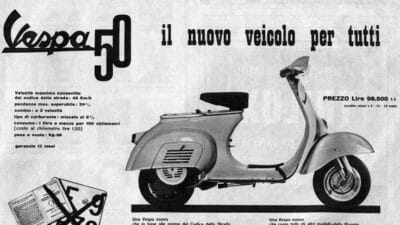
Vespa’s History and Worldwide Success: The Rise of an Italian Icon
The Vespa scooter transformed from a simple transportation solution in post-war Italy to one of the world’s most recognizable brands.…



Step aside, traditional transport! There’s a vibrant, two-wheeled revolution sweeping across the cobblestone streets and bustling boulevards of Europe. We’re talking about the rise of scooter (light motorcycle) culture in Europe, a phenomenon that’s more than just a means of getting from A to B; it’s a lifestyle, a statement, and a true embodiment of European charm and practicality. From the sun-drenched coasts of Italy to the chic avenues of Paris, and even extending its reach into colder northern climes, the humble scooter has shed its utilitarian image and roared back into the spotlight with an exhilarating surge of popularity.
This isn’t just a fleeting trend; it’s a deep-seated cultural resurgence, driven by a blend of nostalgia, urban necessity, and a yearning for freedom in an increasingly congested world. Scooters, often considered light motorcycles due to their engine size and regulatory classification, offer an unmatched blend of efficiency, style, and accessibility. They allow riders to weave through traffic, park with ease, and soak in the urban landscape in a way that cars simply can’t. Join us as we unpack the layers of this fascinating movement, exploring its rich history, its present-day appeal, and what the future holds for Europe’s beloved two-wheelers.
The love affair between Europe and the scooter is not new; it’s a passionate, decades-long romance that truly blossomed in the post-war era. Think back to the iconic images of Audrey Hepburn and Gregory Peck zipping through Rome on a Vespa in “Roman Holiday.” This wasn’t mere cinematic fantasy; it was a snapshot of a cultural shift. After World War II, Europe needed affordable, reliable, and accessible transport to rebuild lives and economies. The Italian brands, Vespa (meaning “wasp”) and Lambretta, stepped in to fill this void, offering ingenious, lightweight designs that were easy to ride and maintain.
These weren’t just machines; they were symbols of optimism, mobility, and a burgeoning sense of freedom. They offered independence to a generation keen to leave the past behind and embrace modernity. From the 1950s through the 1970s, scooters became ubiquitous, especially in Southern Europe. They were family vehicles, commuter tools, and fashion accessories all rolled into one. Their distinctive hum became the soundtrack of countless cities, and their sleek lines, often crafted by visionary designers, cemented their place as enduring icons of industrial design. While cars were becoming bigger and more complex, scooters maintained their elegant simplicity, a timeless appeal that continues to resonate today.

Fast forward to today, and the scooter’s resurgence isn’t just a retro callback; it’s a strategic response to contemporary challenges. Europe’s cities are more densely populated than ever, and urban sprawl, combined with ever-increasing car ownership, has led to crippling traffic congestion. This gridlock doesn’t just frustrate commuters; it costs economies billions in lost productivity and takes a heavy toll on air quality.
Enter the modern scooter, offering a compelling solution.
This confluence of factors—urban practicality, economic sensibility, environmental awareness, and undeniable cool factor—has fueled the scooter’s meteoric rise, making it a beloved choice for a new generation of European riders.
| Pros | Cons |
|---|---|
| – Unmatched urban maneuverability and ease of parking | – Increased exposure to weather conditions |
| – Significantly lower running costs (fuel, insurance, maintenance) | – Higher perceived safety risk compared to cars |
| – Environmentally friendlier, especially electric models | – Limited carrying capacity for passengers or cargo |
| – Accessible licensing requirements in many regions | – Requires rider to be comfortable on two wheels |
| – Distinctive style and strong community aspect | – Storage challenges without a garage |
The true genius of the scooter lies in its practicality, particularly in the urban environment. Consider the average daily commute in a bustling European city. Cars crawl, buses are packed, and trains face delays. A scooter, however, glides.
Scooters are designed for agility. Their light weight, compact size, and nimble handling allow riders to filter through traffic safely (where permitted by local laws), reducing commute times drastically. A journey that might take 45 minutes by car could be a swift 15-minute zip on a scooter. This isn’t just a time-saver; it’s a stress-reliever, transforming the dreaded daily grind into an enjoyable ride. The ability to perform a pre-ride safety inspection on your motorcycle before each journey is crucial for keeping these nimble machines in top condition. tips for a pre-ride safety inspection your motorcycle
Perhaps one of the most significant practical advantages is parking. Finding a parking space for a car in many European city centers is a monumental, often expensive, task. Scooters, on the other hand, can often be parked in designated motorcycle bays or smaller, otherwise unusable spaces, frequently at no charge. This freedom from parking woes is a game-changer for anyone living or working in a crowded urban area. It’s a key factor driving their appeal, offering a convenience that cars simply cannot match. For longer-term storage or protection from the elements, a motorcycle cover use and benefits can be invaluable, whether it’s for a scooter or a larger bike.
In an era of fluctuating and often high fuel prices, the economic argument for scooters is incredibly strong. Most scooters boast impressive fuel economy, far surpassing that of even the most efficient compact cars. Lower fuel consumption directly translates to significant savings over time. Beyond fuel, maintenance costs for scooters are generally lower. Parts are often less expensive, and many routine tasks, like learning how to maintain your motorcycle battery, are straightforward. how to maintain your motorcycle battery Insurance premiums are also typically more affordable, further cementing their status as a budget-friendly transport option.

While practicality is a major draw, the resurgence of scooter culture in Europe is also deeply rooted in lifestyle, community, and personal expression. Scooters are not just appliances; they are passion points.
From the retro-chic appeal of a classic Vespa to the futuristic lines of a cutting-edge electric model, scooters carry an undeniable aesthetic. They evoke a sense of freedom, adventure, and cool that resonates deeply. Fashion often intertwines with scooter culture, with riders embracing vintage styles, bespoke helmets, and practical yet stylish riding gear. The scooter itself becomes an extension of the rider’s personality, a rolling piece of art that turns heads on the street. This emphasis on style differentiates the scooter from mere utilitarian transport, elevating it to a cultural icon.
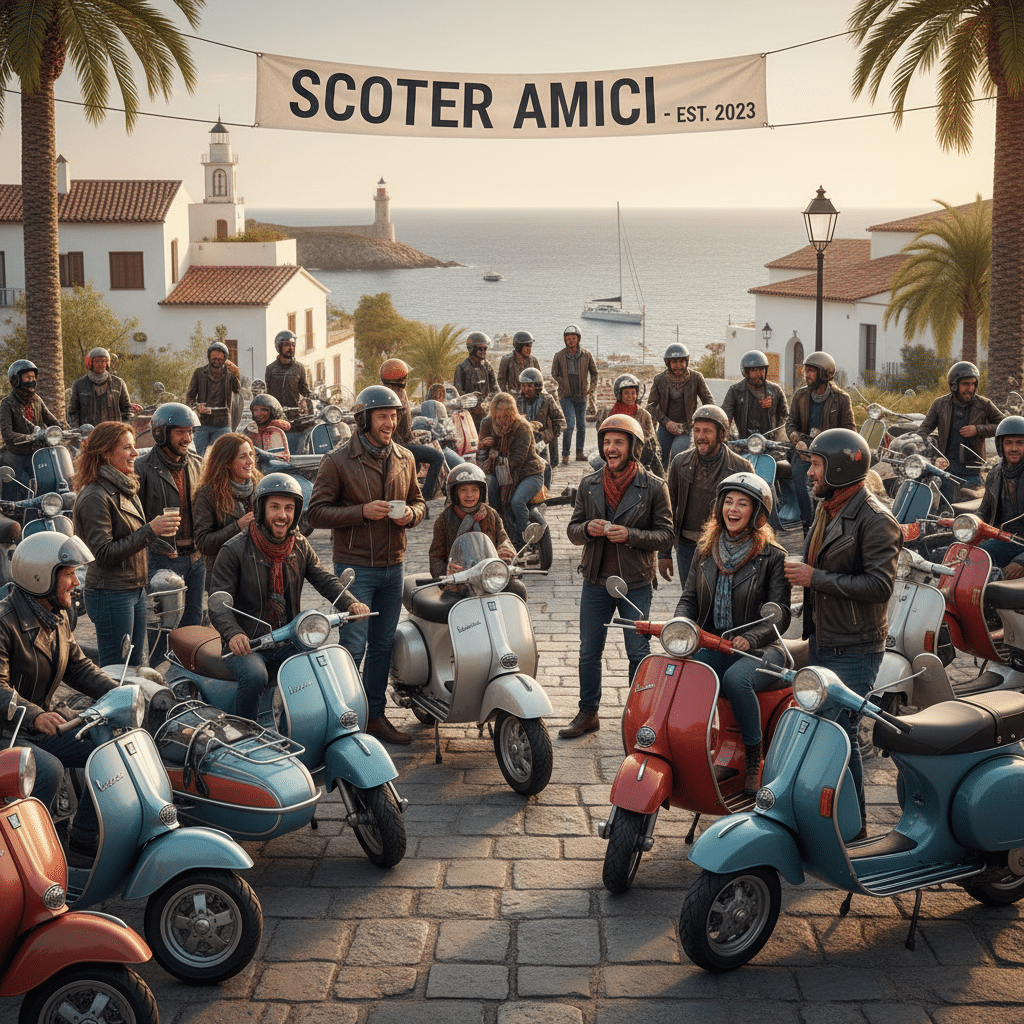
Scooter ownership in Europe often comes with a vibrant, welcoming community. Scooter clubs, both informal and organized, thrive across the continent. These clubs host meet-ups, organized rides through scenic routes, rallies, and social events. From vintage scooter enthusiasts meticulously restoring classic models to groups of friends exploring new cities, the camaraderie is palpable. This sense of belonging is a powerful draw, creating shared experiences and fostering friendships among like-minded individuals. The passion for scooters extends to events and shows, where riders showcase their machines, share tips (like the best way to the right way to wash a motorcycle), and celebrate their shared passion.
The global shift towards sustainable transport has not left the scooter world untouched; in fact, it’s at the forefront of the electric revolution. Electric scooters are rapidly gaining traction, offering an even greener and often more futuristic alternative to their petrol-powered predecessors. This transformation is pivotal for the continued growth and acceptance of scooter culture in environmentally conscious Europe.
Electric scooters boast zero tailpipe emissions, directly addressing urban air quality concerns. They are also remarkably quiet, significantly reducing noise pollution in cities. This makes them ideal for dense urban environments, contributing to a more pleasant and healthier living space. Furthermore, the simplicity of electric powertrains often translates to lower maintenance requirements – no oil changes, spark plugs, or exhaust system cleanings. Instead, focus shifts to battery care and ensuring optimal charging practices. While cars like the Tesla Model Y are leading the charge in electric SUVs, the impact of electric technology on two-wheelers is just as profound, reshaping urban mobility. Discussing the benefits of electric versus hybrid cars can help understand the broader context of eco-friendly vehicles, as similar considerations apply to two-wheelers. electric vs hybrid cars which is right for you
The range of electric scooters is continuously improving, and charging infrastructure is expanding, making them increasingly practical for daily commutes. Governments and local authorities across Europe are actively promoting electric vehicle adoption, including scooters, through incentives, charging station installations, and favorable regulatory policies. This combination of environmental benefits, technological advancements, and supportive policies ensures that electric scooters will play a crucial role in shaping the future of European mobility.

While the allure of scooter culture is undeniable, it’s essential to acknowledge the challenges and considerations that come with embracing this mode of transport.
Road safety is paramount. While scooters offer agility, they also expose riders to greater risks than enclosed vehicles. European cities are often a mix of fast-moving traffic, trams, cyclists, and pedestrians, demanding constant vigilance from scooter riders. Proper riding gear – including a high-quality helmet, gloves, and protective clothing – is non-negotiable. Many countries have strict regulations regarding helmet use and rider training, reinforcing the importance of safety. Continuous training and awareness campaigns are vital for reducing accident rates and ensuring that the joy of riding isn’t overshadowed by avoidable risks. Learning how to perform a full motorcycle inspection regularly is crucial for identifying potential safety issues before they become serious problems. how to perform a full motorcycle inspection
The regulatory environment for scooters varies significantly across Europe. Licensing requirements, speed limits, lane filtering rules, and parking regulations differ from country to country, and sometimes even within different cities. Riders need to be well-versed in local laws to avoid fines and ensure legal operation. This patchwork of regulations can be a minor hurdle for cross-border scooter travel but generally manageable for daily commutes within a single region.
Unlike cars, scooters offer little protection from the elements. Rain, wind, and cold weather can make riding less comfortable, and in some regions, restrict year-round usage. While dedicated winter tires and heated grips can help, scooters are fundamentally exposed. Storage also presents a consideration; while they take up less space than cars, securing a scooter from theft requires a robust chain, disc locks, and often a secure parking spot. For riders who don’t have access to a garage, investing in a good quality cover and secure locking mechanisms is essential.
The rise of scooter culture in Europe isn’t a monolithic phenomenon; it’s a rich tapestry woven with regional nuances and traditions. While the core appeal of freedom and practicality remains, how scooters are embraced and integrated into daily life can differ significantly across the continent.
In countries like Italy, Spain, Portugal, and Greece, scooters are deeply embedded in the cultural fabric. They are not merely transport; they are an extension of the Mediterranean lifestyle – a symbol of effortless cool, spirited living, and sunny commutes. Rome, Milan, Barcelona, and Athens teem with scooters, from vintage Vespas artfully navigating ancient streets to modern maxi-scooters effortlessly carving through city traffic. Here, the scooter often serves as the primary mode of transport for families, students, and professionals alike, a testament to its enduring practicality and cultural significance. The sound of a two-stroke engine is as iconic as the aroma of espresso.
In cities like Paris, Berlin, Amsterdam, and Brussels, the scooter’s appeal is a blend of practical necessity and style consciousness. Parisians embrace scooters for their ability to bypass notorious traffic jams, while German riders appreciate their efficiency and engineering. The rise of shared electric scooter fleets in many of these cities further highlights their role in modern urban mobility, offering flexible, on-demand transport solutions for residents and tourists alike. While cars have long dominated family transport, the shift towards compact, eco-friendly options, even for those with families, reflects a broader change in urban commuting patterns. the best cars for families a comprehensive guide
Even in cooler, wetter climates like the UK or Scandinavia, scooter culture is finding its niche. While less dominant than in the south, the desire for efficient urban transport and the nostalgic appeal of classic models are driving steady growth. Events like the annual Isle of Wight Scooter Rally attract thousands, showcasing a passionate community undeterred by the weather. Here, scooters often represent a more deliberate lifestyle choice, a nod to vintage cool or a commitment to sustainable commuting, rather than a ubiquitous mode of transport. Each region adds its unique flavor to the overarching European scooter story, creating a diverse and dynamic culture.
The momentum behind the rise of scooter culture in Europe shows no signs of slowing down. In fact, several trends suggest an even brighter, more innovative future for these nimble two-wheelers.
The move towards electric models will accelerate, driven by environmental regulations, technological advancements in battery life and charging speed, and increasing consumer demand for sustainable options. We can expect to see more sophisticated electric scooters with smart features, greater range, and even better performance, making them even more appealing to a wider demographic.
Scooters, especially electric ones, are perfectly positioned to integrate into smart city ecosystems. Think connected vehicles, real-time traffic data integration, optimized routing, and seamless booking for shared fleets. This will make scooter usage even more efficient, convenient, and environmentally friendly, further cementing their role as a vital component of urban transport networks.
While classic designs will always have their place, expect continuous evolution in scooter aesthetics. Manufacturers will push boundaries with innovative materials, aerodynamic forms, and modular designs that allow for even greater personalization. Customization will remain a cornerstone of the culture, with a growing aftermarket for unique parts and accessories, ensuring every rider can express their individuality.
As scooter numbers grow, so will the focus on rider safety. Expect more advanced safety features on the vehicles themselves (e.g., improved braking systems, ABS, traction control, smart lighting) and enhanced training programs across Europe. These initiatives will make riding safer and more accessible, encouraging even more people to embrace the two-wheeled lifestyle. The legacy of how racing technologies shape everyday cars also applies to two-wheelers, with innovations constantly trickling down from motorsports to improve the safety and performance of street-legal scooters. how racing technologies shape everyday cars
The future of European scooter culture is dynamic and exciting, promising cleaner, smarter, and even more stylish ways to navigate our beloved cities. The scooter, once a symbol of post-war recovery, has truly become a vanguard of modern, sustainable urban mobility.
From the nostalgic echoes of post-war freedom to the cutting-edge hum of electric power, the rise of scooter culture in Europe is a compelling narrative of adaptation, resilience, and pure exhilaration. It’s a movement driven by an undeniable blend of practicality, economic sensibility, environmental consciousness, and an enduring love for personal style and community. Scooters are more than just light motorcycles; they are nimble urban warriors, cultural icons, and a vibrant symbol of European life.
They offer an escape from the gridlock, a breath of fresh air, and a tangible connection to the streets we traverse. As our cities evolve and our collective priorities shift towards sustainability and efficiency, the scooter stands ready, poised to continue its indispensable role in shaping the future of European mobility. So, whether you’re a seasoned rider or simply curious about the two-wheeled revolution, consider embracing the ride. Discover the joy, the freedom, and the undeniable spirit of Europe’s thriving scooter culture. The open road, or rather, the open city lane, awaits!
In Europe, “scooter” typically refers to a light motorcycle characterized by a step-through frame, smaller wheels, and often an automatic (CVT) transmission. Engine sizes for scooters generally range from 50cc (mopeds) to 125cc (light motorcycles, often rideable with a car license after training), though larger maxi-scooters also exist. They are designed for urban mobility and ease of use.
Several factors contribute to their rise: unparalleled urban maneuverability, ease and lower cost of parking, superior fuel efficiency compared to cars, lower purchase and maintenance costs, and their eco-friendly nature (especially electric models). They also offer a strong element of personal style and a sense of freedom.
Scooters offer significantly faster commute times due to their ability to filter through traffic, often free or cheaper parking, lower fuel consumption, and reduced insurance costs. They are also more environmentally friendly and easier to navigate in dense urban environments.
Absolutely! Electric scooters are a major driver of the current resurgence. They align with Europe’s sustainability goals by offering zero emissions and quiet operation, contributing to cleaner, quieter cities. Advancements in battery technology and expanding charging infrastructure are making them increasingly practical and popular.
Like any mode of transport, scooter riding carries risks. However, with proper training, adherence to traffic laws, and wearing appropriate protective gear (helmet, gloves, jacket), it can be a very safe way to travel. Many European countries have specific licensing and training requirements to ensure rider competence.
License requirements vary by country. Generally, a 50cc moped can be ridden with a basic moped license or sometimes a car license. For 125cc scooters (light motorcycles), many European countries allow riders to operate them with a standard car license after completing a short training course, rather than requiring a full motorcycle license. Always check local regulations.
In Southern Europe (e.g., Italy, Spain), scooters are deeply ingrained, often serving as a primary mode of family and individual transport, symbolizing a relaxed, sun-drenched lifestyle. In Central and Northern Europe, while still popular for practicality and style, scooter culture tends to be more niche, often driven by urban efficiency needs or a specific appreciation for vintage aesthetics, though it is steadily growing.