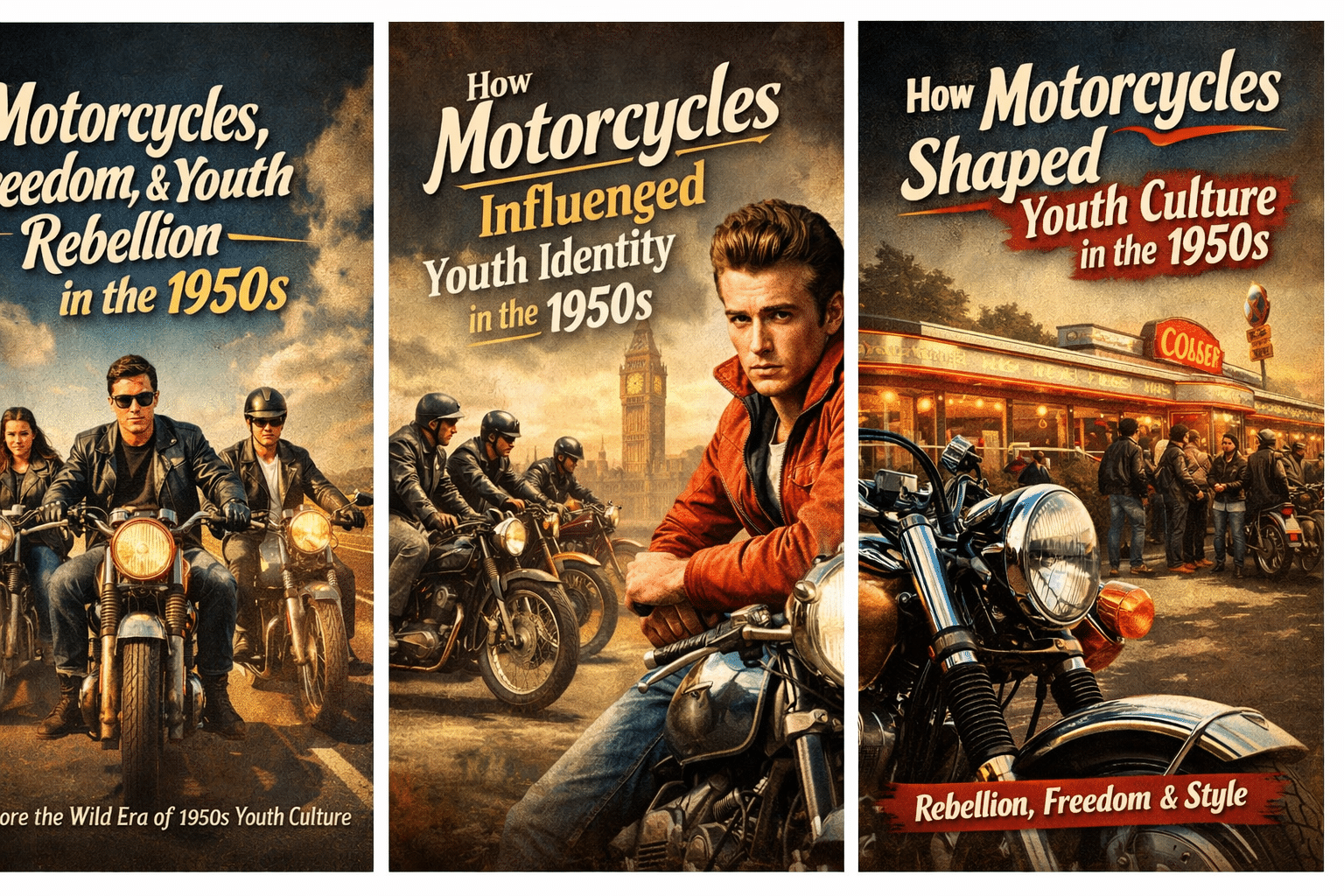
How motorcycles shaped youth culture in the 1950s
4 How Motorcycles Shaped Youth Culture in the 1950s The 1950s were a turning point in modern youth culture. After World War II, young people…


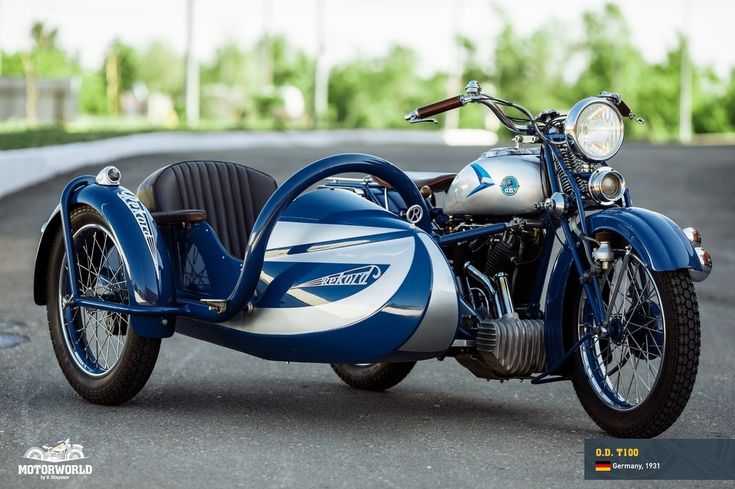
When World War II ended in 1945, the motorcycle industry stood at a turning point that would reshape two-wheeled transport forever. Factories that once built military vehicles turned their attention to civilian markets, and returning soldiers brought home both technical knowledge and a hunger for personal freedom. The post-war period from 1945 to the 1960s sparked a complete transformation in motorcycle design, shifting these machines from basic utility vehicles into symbols of performance, style, and individual expression.
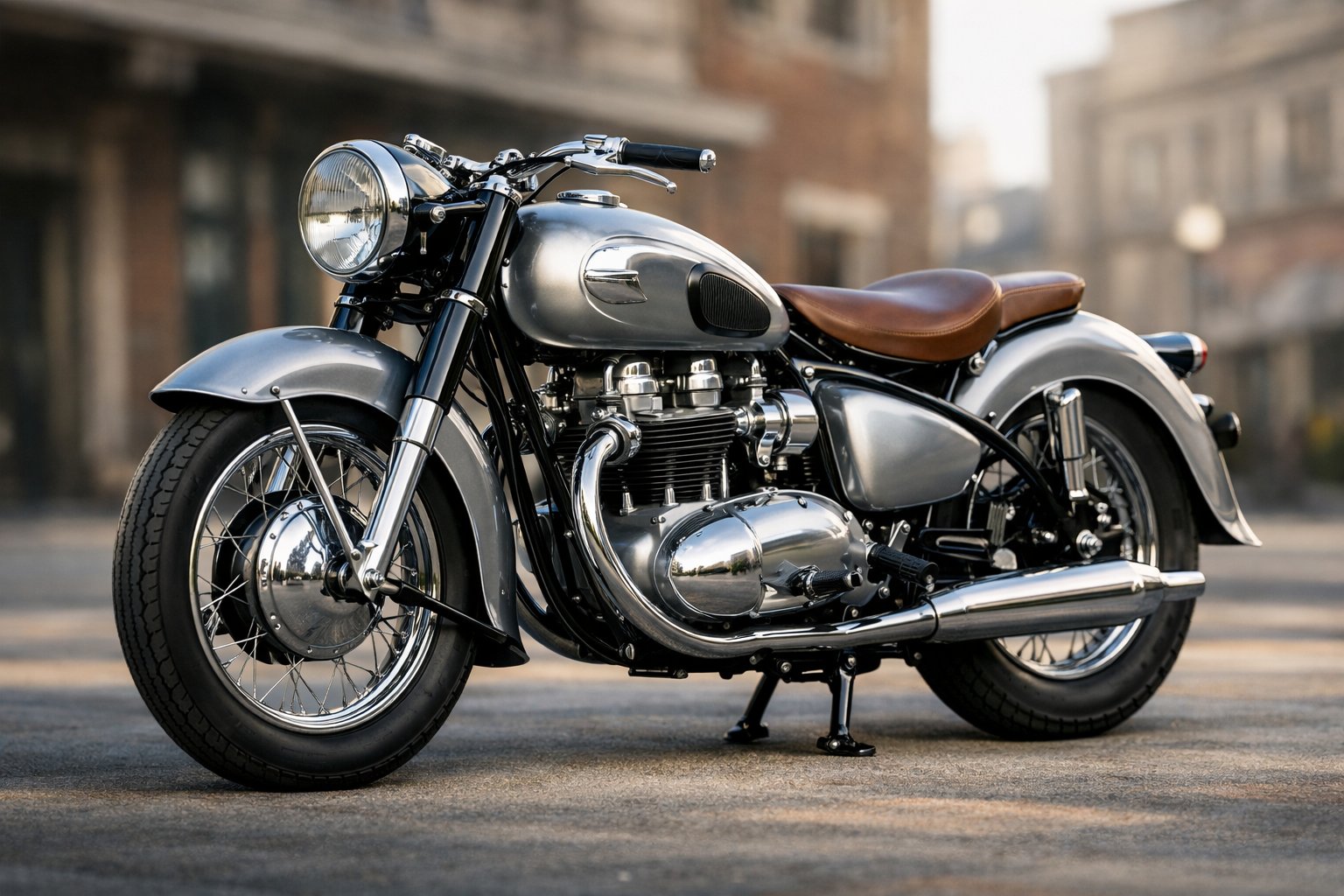
This revolution happened quickly across multiple continents. European manufacturers rebuilt their industries with new materials and production methods learned during wartime. Japanese companies entered the global stage with fresh ideas about reliability and mass production. American brands evolved their designs to meet changing rider expectations. Each region contributed unique innovations that still influence motorcycles today.
The changes went beyond technical improvements. Post-war motorcycle design married engineering advances with cultural shifts, creating distinct styles like cafe racers, touring bikes, and performance machines. These developments established the foundation for every motorcycle category riders recognize today, from sport bikes to cruisers.
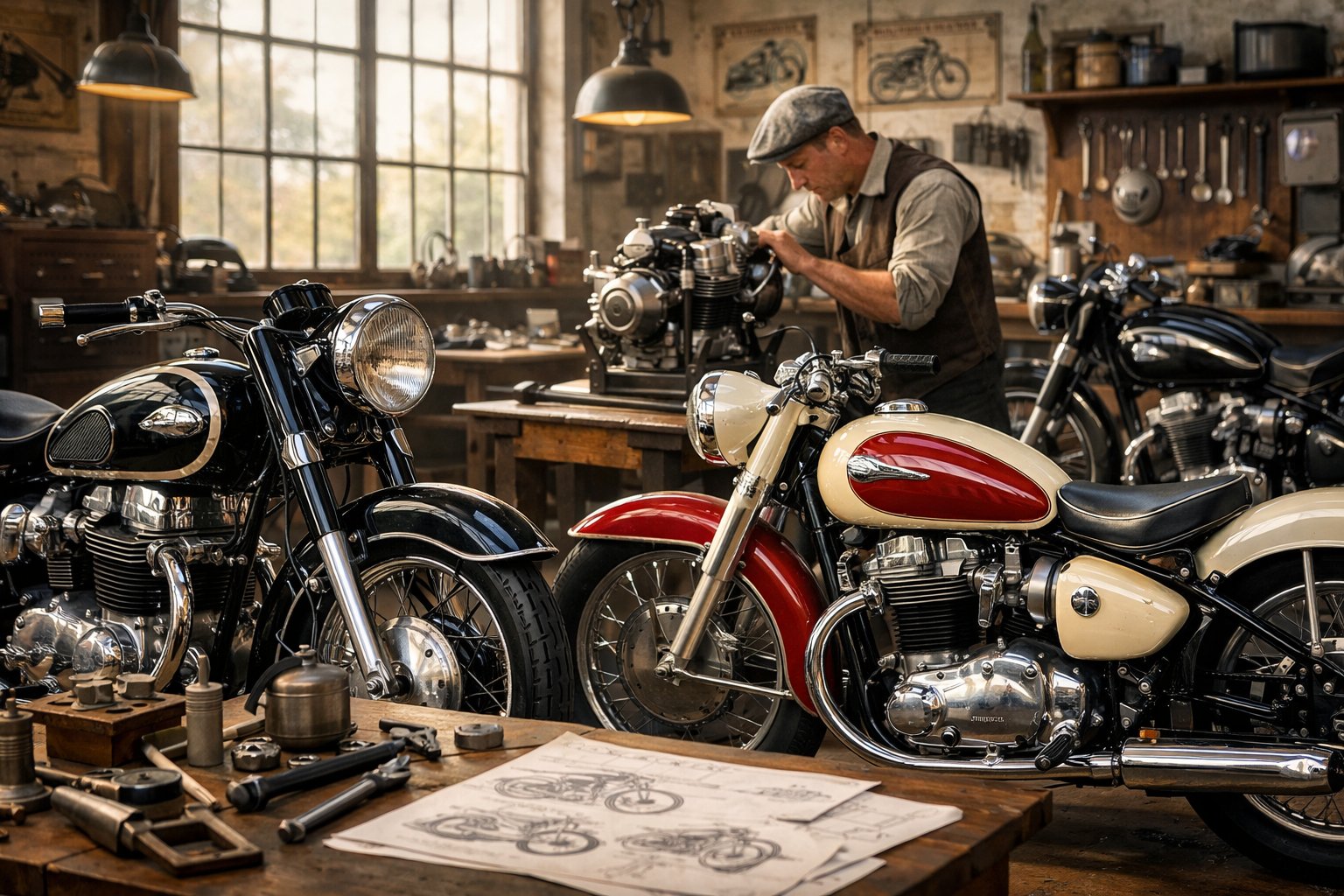
The years following World War II triggered major shifts in motorcycle design driven by economic growth, changing social attitudes, and new manufacturing methods. These forces reshaped the motorcycle industry from a practical tool into a cultural force.
The end of World War II brought economic prosperity to many nations, particularly the United States and parts of Europe. Returning soldiers had disposable income and sought new forms of recreation and transportation. The GI Bill provided financial support that allowed veterans to purchase motorcycles, creating a surge in demand.
Manufacturing facilities that produced military equipment needed to shift to civilian products. Factories that built the Harley-Davidson WLA for military use transitioned to civilian motorcycle production. Workers gained experience during wartime production, which improved manufacturing skills across the industry.
Gas rationing ended, making motorcycle ownership more practical for daily use. Urban areas expanded, and people needed affordable transportation to reach new suburban developments. Motorcycles filled this need while costing less than automobiles.
Motorcycles evolved from basic transportation tools into symbols of freedom and rebellion. Young riders rejected the conservative values of their parents’ generation and embraced motorcycles as expressions of independence.
British manufacturers like Triumph, BSA, and Norton gained popularity among riders who valued performance and style. The Triumph Speed Twin became a model that balanced power with refined design. These bikes appealed to riders who wanted more than simple transportation.
Indian Motorcycle and Harley-Davidson adapted their designs to meet changing tastes. The bobber style emerged as riders stripped unnecessary parts from their bikes to improve speed and create a distinctive look. Hollywood films featured motorcycles prominently, reinforcing their image as vehicles of adventure and non-conformity.
Motorcycle production increased dramatically through improved manufacturing techniques. Assembly line methods reduced costs and made bikes accessible to more buyers. Companies standardized parts, which simplified repairs and reduced maintenance expenses.
Japanese manufacturers entered the market with efficient production systems that challenged established brands. The motorcycle industry expanded beyond traditional markets in the United States and Europe. Manufacturers developed dealer networks and service centers to support growing customer bases.
Production volumes grew from thousands to hundreds of thousands of units annually. Key developments included:
This growth transformed motorcycling from a niche activity into a mainstream pursuit accessible to diverse groups of riders.
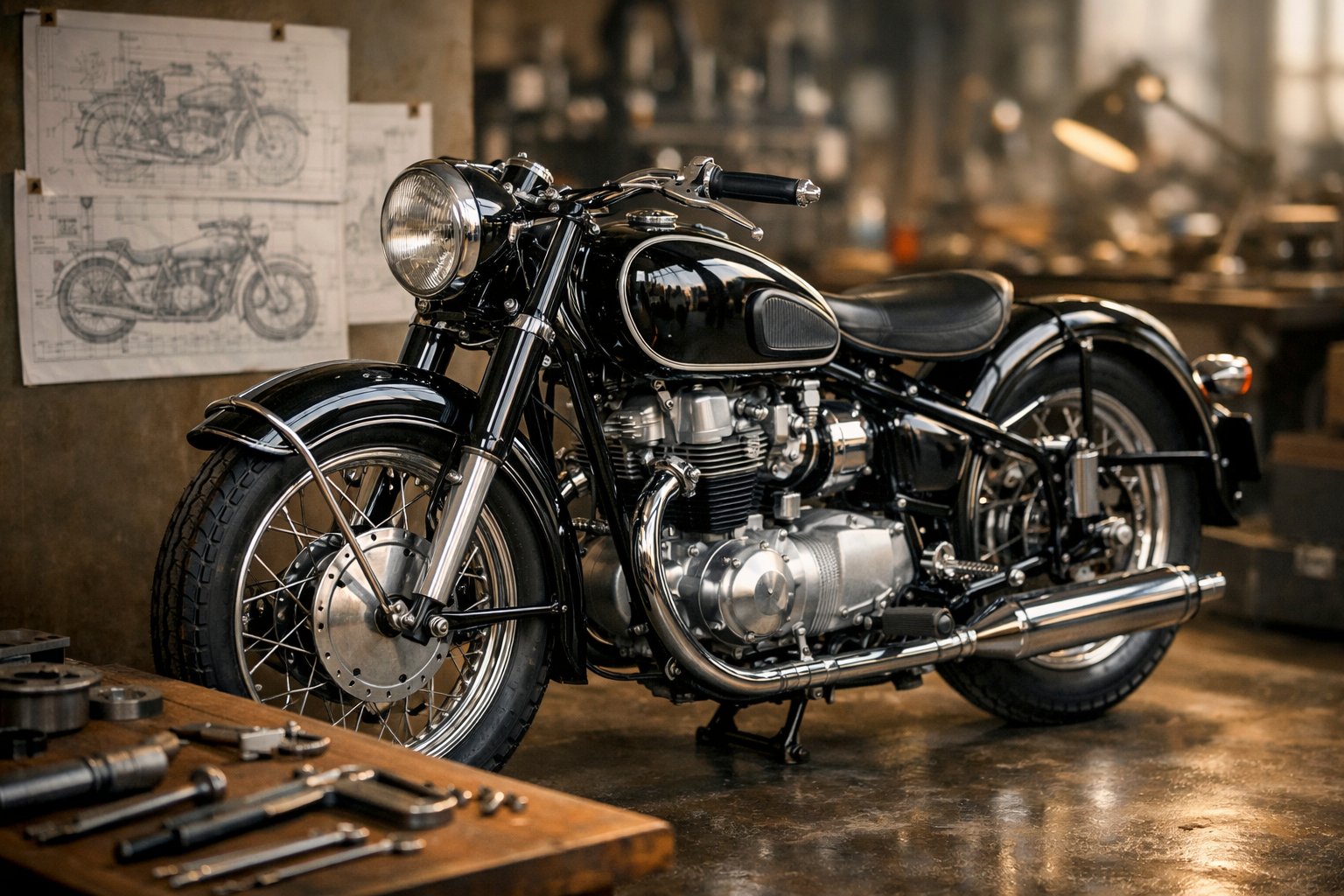
Engineers transformed motorcycles from basic transportation into sophisticated machines through breakthroughs in power delivery, handling systems, rider protection, and construction methods. These advances made bikes faster, safer, and more reliable than wartime technology ever allowed.
The internal combustion engine underwent major improvements after 1945. British manufacturers refined parallel-twin designs that offered better power than single-cylinder engines. Japanese companies studied these engines and made them more reliable.
Honda introduced overhead camshaft technology in mass-production bikes during the 1960s. This design allowed engines to rev higher and produce more power. Four-cylinder engines became popular for their smooth power delivery.
Two-stroke engines gained popularity in Europe. They were lighter and simpler than four-stroke designs. Manufacturers like Suzuki and Yamaha developed two-stroke models that competed successfully in racing.
Electronic fuel injection arrived in the 1980s, replacing carburetors. This system controlled fuel delivery more precisely. Bikes started easier, ran cleaner, and delivered better fuel economy. Ducati and other premium brands adopted fuel injection first before it became standard across all price ranges.
BMW introduced the telescopic front fork in 1935, but this technology spread widely after the war. These forks replaced primitive spring designs. Riders gained better control over rough roads.
Rear suspension systems improved dramatically. Swingarm designs with twin shock absorbers became standard by the 1950s. This setup absorbed bumps better than rigid frames or simple spring systems.
Racing pushed suspension development forward. Manufacturers tested new designs on tracks before bringing them to street bikes. Adjustable suspension arrived in the 1970s, letting riders tune their bikes for different conditions.
Monoshock rear suspension appeared in the 1970s. Yamaha pioneered this single-shock design that saved weight and improved handling. Other Japanese manufacturers quickly adopted similar systems. Modern suspension uses sophisticated valving and sometimes electronic adjustment.
Safety technology advanced slowly at first but accelerated in the 1980s. Disc brakes replaced drum brakes on front wheels during the 1970s. They provided stronger, more consistent stopping power. Dual front discs became common on larger bikes.
The anti-lock braking system arrived in motorcycles during the late 1980s. BMW introduced the first production motorcycle ABS in 1988. This system prevented wheel lockup during hard braking. Riders maintained control in emergency stops.
Traction control systems appeared on high-performance bikes in the 2000s. These systems prevented rear wheel spin during acceleration. Ducati and Japanese manufacturers developed increasingly sophisticated electronics. Modern systems monitor wheel speed, lean angle, and throttle position.
Improved helmet standards and protective gear developed alongside mechanical safety features. Better lighting systems and reflective materials made riders more visible to other drivers.
Material science revolutionized motorcycle construction. Aluminum alloy frames replaced heavy steel tubes in performance bikes. These frames reduced weight while maintaining strength. Honda and Kawasaki pioneered aluminum frame designs in the 1980s.
Engine components benefited from new materials. Aluminum cylinders with steel sleeves reduced engine weight. Titanium valves and connecting rods appeared in racing engines before spreading to premium street bikes.
Composite materials entered motorcycle production in the 1990s. Carbon fiber bodywork saved weight on sportbikes. This material cost more than plastic but offered superior strength-to-weight ratios.
Lightweight materials improved performance across all metrics. Bikes accelerated faster, stopped shorter, and handled better. The weight savings also improved fuel economy. Modern superbikes weigh significantly less than their 1970s equivalents despite having more power and features.
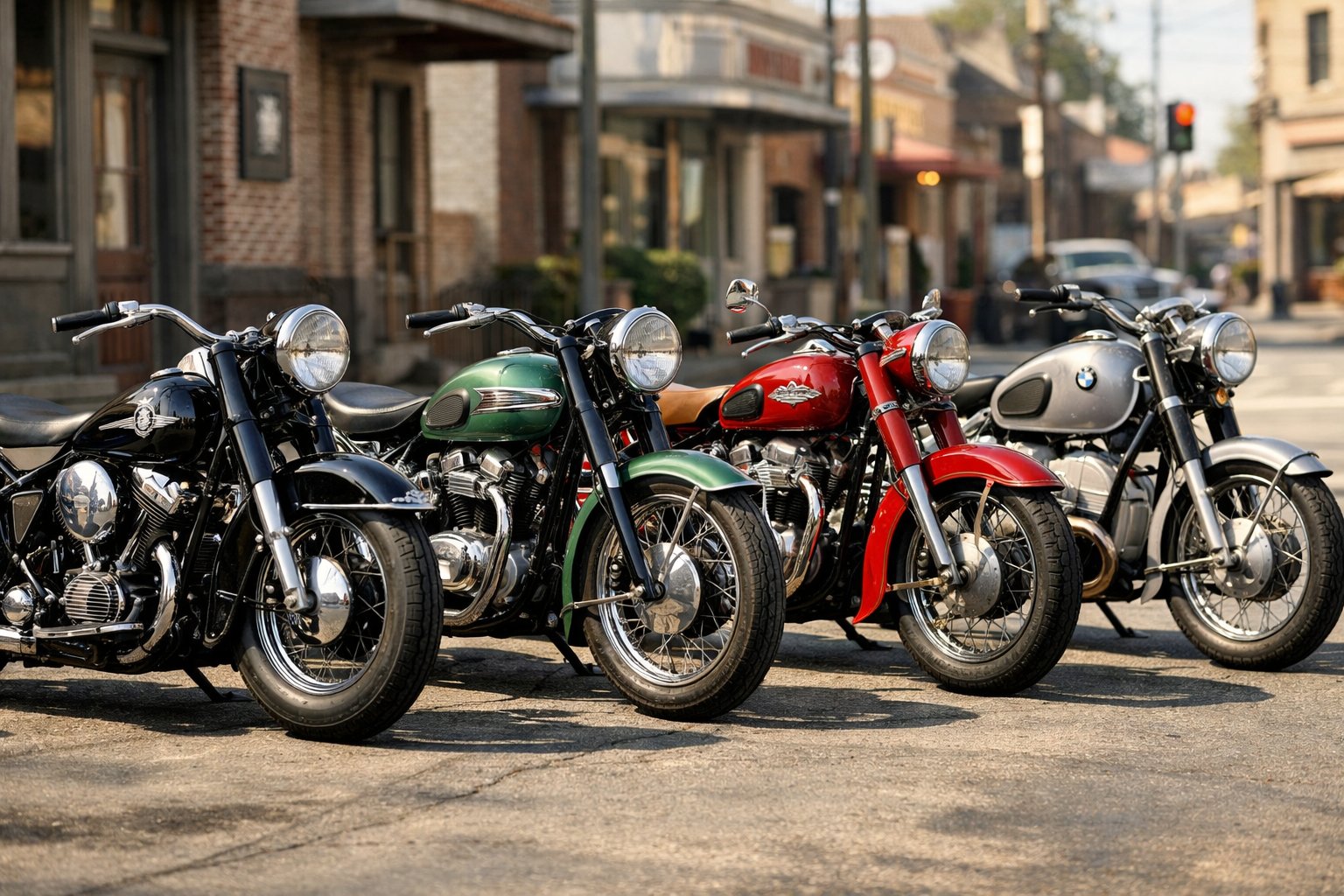
Certain motorcycles emerged after World War II that changed the industry forever. These machines introduced new technologies, set performance standards, and created entire subcultures around their designs.
The Triumph Bonneville arrived in 1959 and quickly became the gold standard for British motorcycles. Named after the Bonneville Salt Flats in Utah where Triumph set speed records, this bike combined style with real performance. The original Bonneville featured a 650cc parallel-twin engine that produced 46 horsepower, making it one of the fastest production motorcycles available.
The bike’s engine layout became iconic. The vertical twin design delivered smooth power and a distinctive exhaust note that riders loved. Triumph built the Bonneville with quality materials and careful engineering, which made it reliable for daily use and weekend rides.
Key Bonneville Features:
The Bonneville shaped café racer culture in Britain. Riders stripped down their Bonnevilles, added clip-on handlebars, and raced between cafés. This customization trend spread worldwide and influenced how people thought about personalizing motorcycles.
Honda released the CB750 in 1969, and it changed everything. This motorcycle introduced the concept of the modern superbike with features that other manufacturers hadn’t combined in one package before. The CB750 came with a 736cc inline-four engine, front disc brake, electric starter, and overhead camshaft.
The inline-four engine was the breakthrough. It produced 67 horsepower and ran smoother than the twins most riders knew. The disc brake was another innovation that became standard on performance motorcycles. Before the CB750, most bikes used drum brakes on both wheels.
| Feature | Specification |
|---|---|
| Engine | 736cc inline-four |
| Power | 67 hp |
| Top Speed | 125 mph |
| Brakes | Front disc, rear drum |
| Price (1969) | $1,495 |
The CB750 made high performance affordable and accessible. It proved that Japanese manufacturers could build sophisticated motorcycles that matched or beat European bikes. The success of the CB750 pushed other makers to develop their own superbikes, starting a performance race that continues today. This bike established the template for modern sportbikes with its combination of power, handling, and reliability.
Several other classic motorcycles from the post-war period left lasting marks on the industry. The Harley-Davidson Sportster, introduced in 1957, became the foundation for American cruiser culture. Its V-twin engine and low-slung design appealed to riders who wanted power and style.
BMW’s R-series touring bikes established the standard for long-distance motorcycles. The boxer engine and shaft drive made these bikes reliable and comfortable for extended trips. Riders could cover hundreds of miles without major mechanical issues.
Italian manufacturers like Ducati and Moto Guzzi built bikes that emphasized handling and style. Their V-twin engines and lightweight frames created a different riding experience focused on agility. These bikes influenced the development of modern sportbikes and café racers.
The Vespa and Lambretta scooters deserve mention too. While not traditional motorcycles, they provided affordable transportation and created their own subculture. These scooters proved that two-wheeled transport could appeal to everyone, not just traditional motorcycle riders.
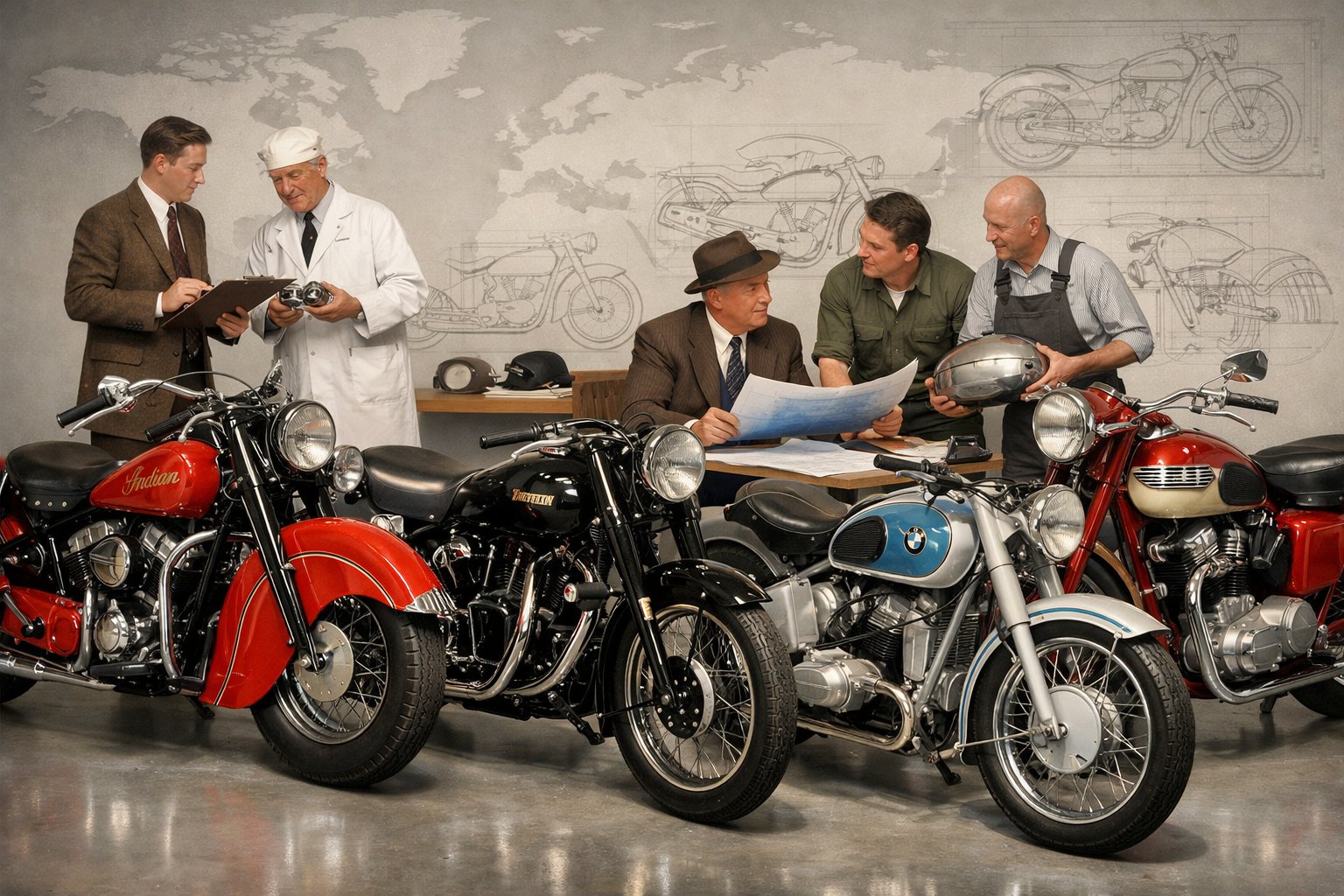
After World War II, three distinct design philosophies emerged from different regions of the world. Italian manufacturers focused on style and engineering innovation, Japanese companies revolutionized reliability and affordability, and American brands maintained their tradition of large displacement cruisers.
Italian manufacturers like Ducati brought sophisticated engineering and sleek styling to motorcycles. They emphasized performance through advanced valve systems and lightweight frames. Italian design favored aggressive aesthetics with minimal bodywork and exposed mechanical components.
Japanese manufacturers including Honda, Yamaha, Kawasaki, and Suzuki transformed the industry with mass production techniques. They delivered reliable, affordable motorcycles that appealed to everyday riders. Honda’s CB750, released in 1969, featured an inline-four engine and front disc brake that set new standards. Japanese design emphasized smooth power delivery, electric starters, and practical features that made motorcycles accessible to millions of new riders.
American manufacturers Harley-Davidson and Indian Motorcycle maintained focus on large V-twin engines and cruiser styling. They built motorcycles with emphasis on torque, chrome finishes, and comfortable riding positions for long distances. American design celebrated customization and individual expression through bold paint schemes and aftermarket modifications.
BMW Motorcycles established itself through boxer engines and shaft drive systems that offered durability for touring riders. Their flat-twin design became instantly recognizable and influenced adventure motorcycle development.
British manufacturers including Triumph, BSA, and Norton dominated the performance market through the 1960s. Triumph’s parallel-twin engines powered café racers that defined the era. BSA and Norton competed in racing circuits, though financial difficulties eventually reduced their market presence.
Honda became the world’s largest motorcycle manufacturer by focusing on quality control and dealer networks. Their “You meet the nicest people on a Honda” campaign changed public perception of motorcycling in America.
Yamaha and Kawasaki pushed performance boundaries with two-stroke racing bikes and powerful four-stroke sportbikes. Suzuki developed innovative technologies including rotary valve engines and compact designs.
Italy launched the scooter revolution with Vespa and Lambretta in the late 1940s. These brands created practical urban transportation with step-through frames, enclosed engines, and weather protection. The scooter design prioritized accessibility over performance.
Vespa’s steel monocoque body became an icon of Italian industrial design. Lambretta competed with sportier handling and more powerful engines. Both manufacturers targeted commuters who needed affordable, clean transportation through crowded city streets.
The scooter movement spread across Europe and Asia, creating an entirely new category of two-wheeled vehicles. This urban design approach influenced later moped and mini-bike development worldwide. Scooters became cultural symbols featured in films and associated with youth culture movements of the 1960s.
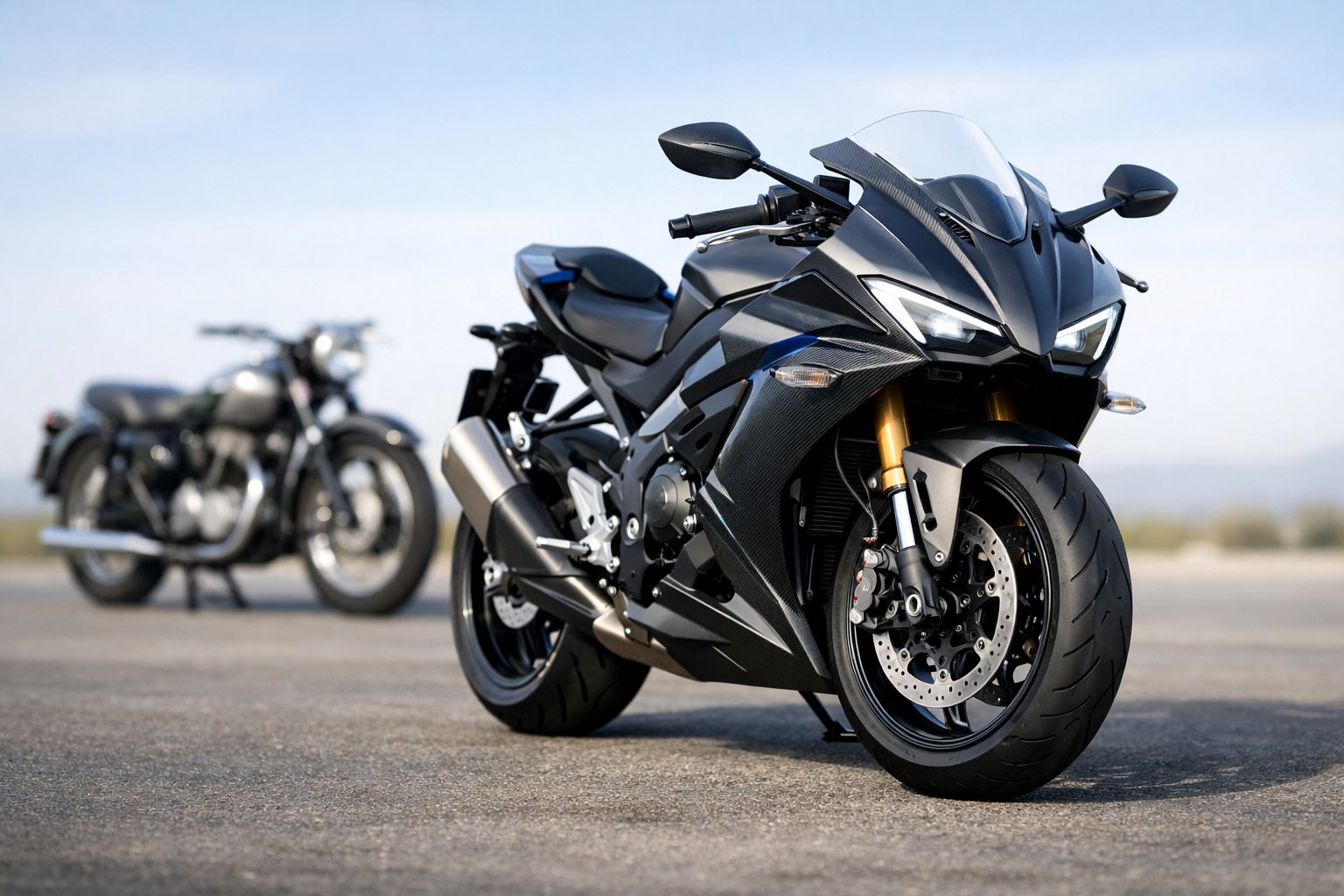
The motorcycle industry underwent massive changes in recent decades as manufacturers moved beyond traditional designs. Electronic systems replaced mechanical components, electric powertrains challenged combustion engines, and aerodynamic principles reshaped how bikes looked and performed.
Modern motorcycles feature sophisticated electronic systems that would have been unimaginable in the post-war era. Anti-lock braking systems (ABS) became standard on many models starting in the 1980s, preventing wheel lockup during hard braking. Traction control systems followed, using sensors to monitor wheel speed and prevent rear-wheel spin during acceleration.
Ride-by-wire throttle systems replaced traditional cables with electronic sensors and processors. These systems allowed manufacturers to add multiple riding modes that adjusted power delivery, traction control, and ABS settings with the press of a button. Sport mode provided aggressive throttle response, while rain mode offered gentler power delivery for slippery conditions.
Electronic suspension systems emerged on high-end bikes, automatically adjusting damping based on road conditions and riding style. Modern motorcycles also incorporated smartphone connectivity, allowing riders to access navigation, music, and bike diagnostics through handlebar-mounted displays. Some manufacturers added cornering ABS and lean-angle sensors that adjusted braking force based on how far the bike tilted in turns.
Electric motorcycles shifted from experimental concepts to production vehicles in the 2010s. Zero Motorcycles launched in 2006 and became a leading electric motorcycle manufacturer, offering models with ranges exceeding 200 miles on a single charge. Their bikes featured instant torque delivery and minimal maintenance requirements since electric motors have fewer moving parts than combustion engines.
Energica entered the market with high-performance electric sportbikes, competing in the FIM Enel MotoE World Cup starting in 2019. The Harley-Davidson LiveWire, released in 2019, brought electric motorcycles to a mainstream audience despite its premium price point. These bikes eliminated traditional shifting, as electric motors provide strong acceleration across their entire speed range.
| Electric Model | Range | Notable Feature |
|---|---|---|
| Zero SR/F | 161 miles | Cypher III operating system |
| Energica Ego | 143 miles | DC fast charging capability |
| Harley-Davidson LiveWire | 146 miles | Iconic brand’s first electric |
Battery technology improvements increased range and reduced charging times. Fast-charging systems allowed riders to add significant range in 30 minutes or less.
Aerodynamics became central to motorcycle design as speeds increased and fuel efficiency gained importance. Manufacturers used wind tunnels to test fairings, windscreens, and body panels that reduced drag and improved stability at highway speeds. Sportbikes adopted aggressive, forward-leaning positions with tucked fairings that cut through air more efficiently.
Naked bikes and retro-styled models gained popularity as alternatives to fully-faired sportbikes, appealing to riders who valued comfort and visibility over maximum speed. Adventure bikes combined upright seating positions with protective bodywork designed to handle both highway riding and off-road conditions.
Modern materials like carbon fiber and aluminum alloys replaced steel in many components, reducing weight without sacrificing strength. LED lighting became standard, offering better visibility while consuming less power than traditional bulbs. Designers balanced form and function, creating bikes that looked distinctive while meeting performance targets and safety regulations.
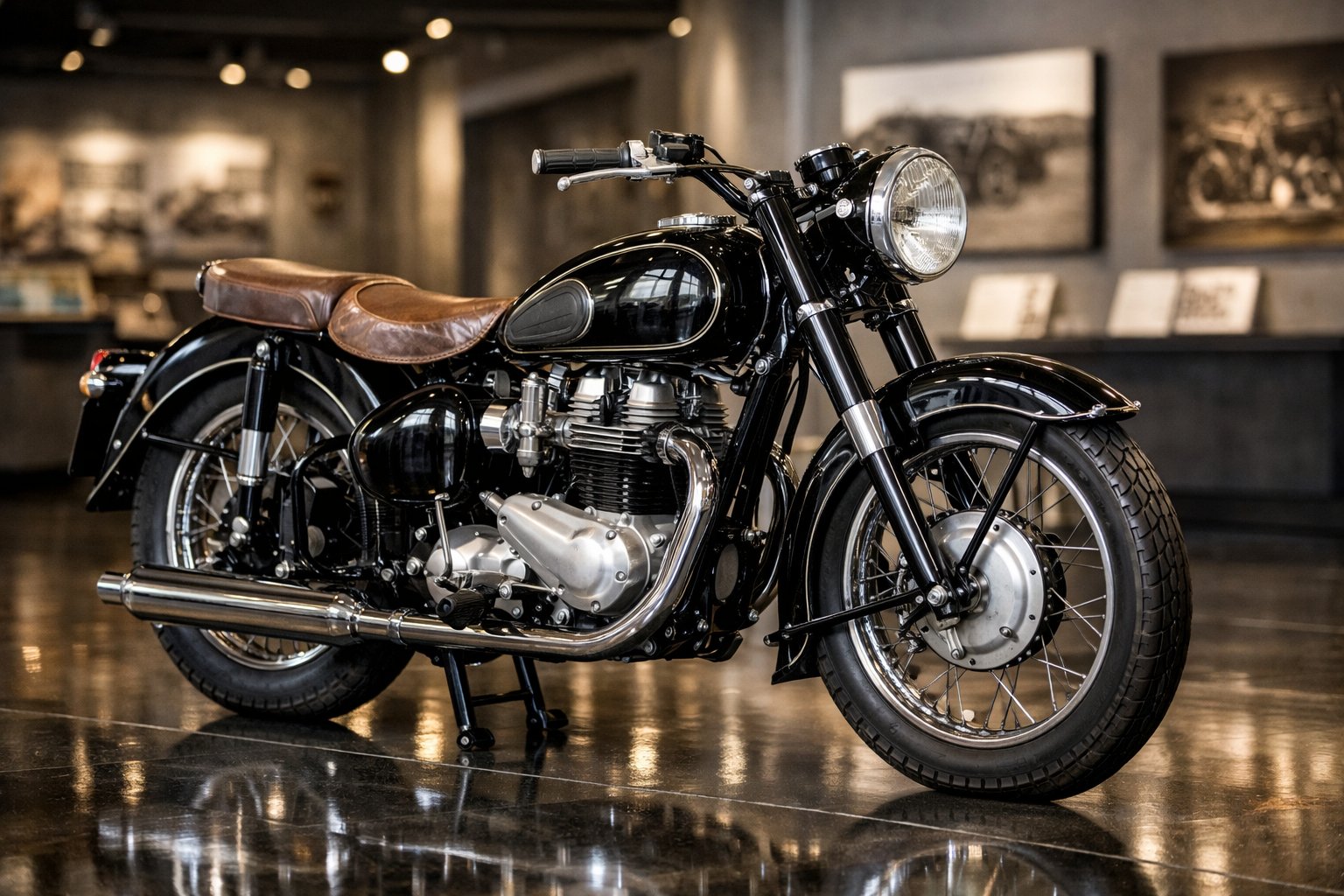
The post-war motorcycle design revolution created a foundation that shaped motorcycle culture, manufacturing, and technology for decades. Wartime innovations transitioned into civilian markets, sparking a golden age of motorcycle development that influenced racing, cultural movements, and manufacturing practices worldwide.
Post-war motorcycles became symbols of freedom and independence as veterans returned home with experience riding military bikes. The Harley-Davidson WLA and Norton 16H transformed from military equipment into cultural icons that represented rebellion against conventional society.
Motorcycle clubs emerged across the United States and Europe in the late 1940s and 1950s. These groups created a distinct subculture that valued brotherhood, adventure, and individualism. The leather jacket and motorcycle combination became a powerful image in popular culture.
Women riders also gained visibility during this period. Many had worked in motorcycle manufacturing during the war and continued riding afterward. This expanded the motorcycle community beyond its traditional demographics.
The accessibility of affordable, durable motorcycles made them practical transportation for working-class families. Many young people purchased their first bikes using military surplus models or newly manufactured civilian versions of wartime designs.
The 1950s through the 1970s marked the golden age of motorcycles, driven by post-war design innovations. British manufacturers like Triumph, Norton, and BSA dominated international markets with bikes that balanced performance and reliability. The Triumph Bonneville, introduced in 1959, exemplified this era with its twin-cylinder engine and sleek design.
Motorcycle racing exploded in popularity during this period. The Isle of Man TT races drew thousands of spectators, while new racing formats like motocross and flat-track racing developed dedicated followings. Racing pushed manufacturers to improve engine performance, suspension systems, and braking technology.
Japanese manufacturers entered the market in the 1960s with models that incorporated post-war European innovations while adding their own refinements. Honda, Yamaha, Suzuki, and Kawasaki brought reliable, affordable motorcycles to mass markets. These companies studied wartime advancements in hydraulic systems and frame construction to create bikes that appealed to both experienced and new riders.
Manufacturing techniques evolved significantly after the war. Mass production methods developed during wartime allowed companies to produce motorcycles more efficiently and at lower costs. Assembly lines became standard in major factories across the United States, Britain, Germany, and Japan.
Technological improvements included better suspension systems based on hydraulic dampers first used on models like the BMW R75. Electric starting systems replaced kick-starters on many models. Disc brakes gradually replaced drum brakes, offering superior stopping power.
Materials science advanced motorcycle construction. Aluminum alloys reduced weight without sacrificing strength. Fiberglass and later plastics provided durable, lightweight alternatives for body panels and fairings. These materials came from wartime research into aircraft construction.
Engine development continued at a rapid pace. Four-stroke and two-stroke engines became more powerful and fuel-efficient. Manufacturers experimented with different cylinder configurations, from single-cylinder bikes for beginners to multi-cylinder machines for performance enthusiasts.
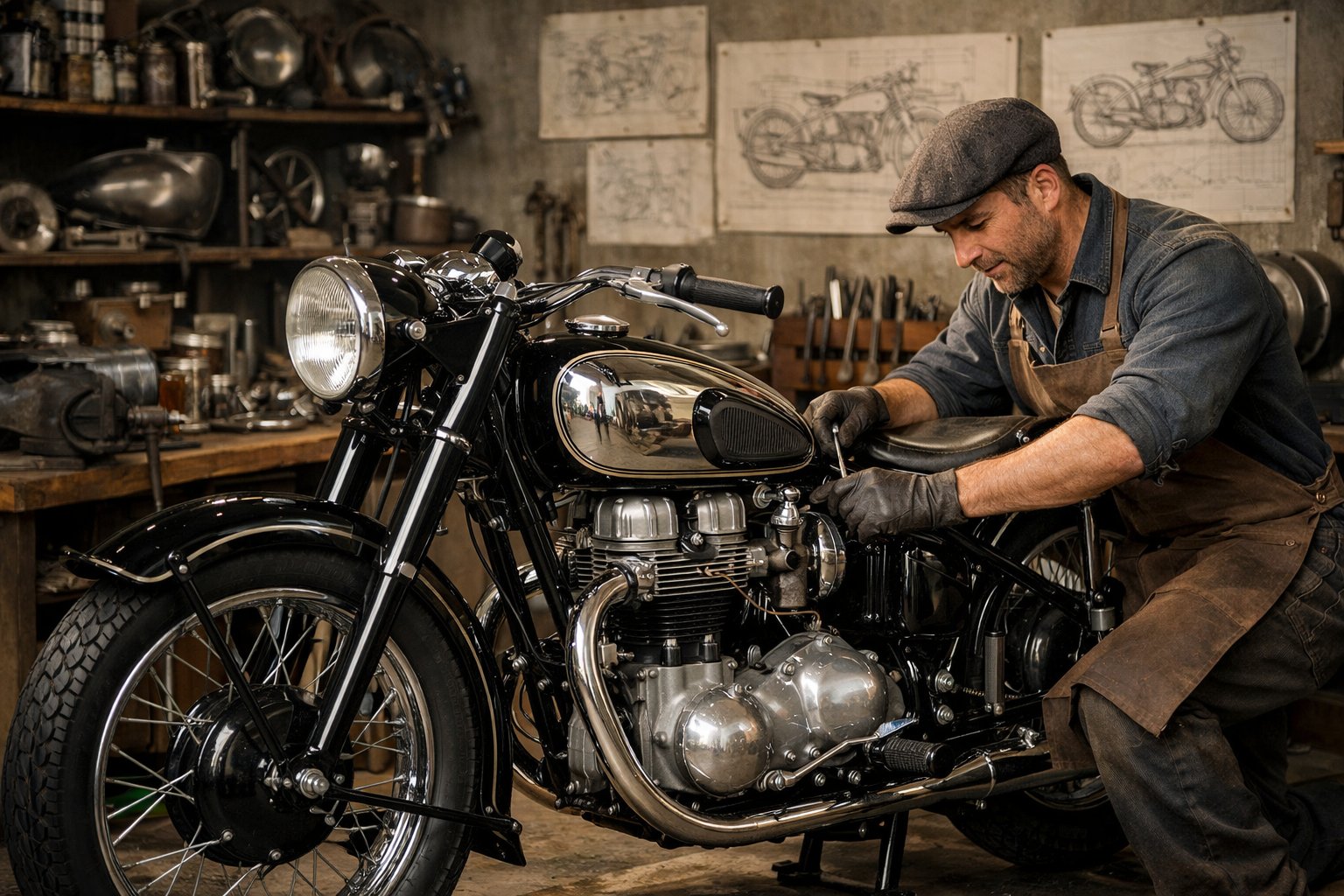
The post-war period brought massive changes to motorcycle design through new materials, production methods, and shifting consumer needs. Engineers applied military technology to civilian bikes while manufacturers competed to meet demand from diverse markets across Europe, America, and Asia.
War-driven research in metallurgy and mass production directly improved motorcycle construction. Manufacturers used lighter alloys developed during wartime, creating stronger frames that weighed less. Suspension systems became more sophisticated as engineers applied lessons from military vehicle design.
Engine technology advanced rapidly in the 1950s and 1960s. Two-stroke engines gained popularity in Europe for their simple design and strong power output relative to weight. Four-stroke engines became more reliable with better lubrication systems and improved ignition components.
Japanese manufacturers invested heavily in research and development. They introduced multi-cylinder engines, electric starters, and disc brakes years before many Western competitors. Honda’s Super Cub, released in 1958, demonstrated how electric starters and automatic clutches could make motorcycles accessible to riders with no mechanical experience.
Manufacturing efficiency improved dramatically. Assembly line techniques refined during wartime production allowed companies to build motorcycles faster and cheaper. Quality control processes became standardized, reducing defects and increasing reliability across all price ranges.
Early post-war motorcycles maintained utilitarian designs focused on function over form. Simple paint schemes, exposed mechanical components, and minimal bodywork defined bikes built between 1945 and 1950. Chrome accents and basic headlights were the only decorative elements on most models.
The 1950s brought more attention to styling as markets stabilized. British manufacturers like Triumph and BSA developed the parallel twin engine layout with distinctive vertical cylinders. Teardrop fuel tanks, bench-style seats, and prominent exhaust pipes became signature features of British bikes.
Italian scooters revolutionized urban motorcycle design. The Vespa and Lambretta featured enclosed bodywork, step-through frames, and small wheels. These designs prioritized clean clothing and easy mounting over the traditional motorcycle form.
Café racers emerged in Britain as riders modified stock bikes for speed and style. They added low handlebars, rear-set footpegs, and streamlined fairings. This subculture influenced factory designs throughout the 1960s.
Japanese manufacturers initially copied Western styles but gradually developed their own aesthetic. They favored inline-four engines, more comprehensive fairings, and modern graphics. By the 1970s, Japanese bikes displayed a distinct look characterized by mechanical precision and functional beauty.
Honda transformed the industry through aggressive innovation and marketing. The company started in 1948 and quickly became the world’s largest motorcycle manufacturer. Honda’s 50cc Super Cub sold over 100 million units by making motorcycles approachable for non-enthusiasts.
BMW maintained its reputation for engineering excellence with boxer engines and shaft drive systems. The company’s focus on touring comfort and mechanical reliability attracted riders seeking long-distance capability. BMW integrated features like full fairings and saddlebags earlier than most competitors.
British manufacturers dominated in the immediate post-war years. Triumph, BSA, and Norton exported thousands of bikes to America and Europe. Triumph’s parallel twin engines powered many legendary models like the Bonneville, released in 1959.
Yamaha and Suzuki entered motorcycle production in the 1950s and quickly developed two-stroke technology. Yamaha’s focus on racing drove innovation in engine performance and handling. The company’s success in Grand Prix racing translated to advanced street bikes.
Harley-Davidson adapted military designs for civilian use. The company focused on large-displacement V-twin engines and cruiser styling that appealed to American riders. Harley established a distinct brand identity centered on power and tradition.
Material shortages forced manufacturers to prioritize efficient designs. Steel and rubber remained scarce in Europe through the late 1940s, limiting production volumes. Companies designed bikes that used minimal materials while maintaining structural integrity.
Affordable transportation became essential as families rebuilt their lives. Motorcycles cost significantly less than cars and consumed less fuel. Manufacturers targeted this price-conscious market with basic models stripped of non-essential features.
Government policies influenced production in many countries. Britain prioritized exports to earn foreign currency, pushing manufacturers to target American buyers. Italy supported scooter development as part of urban reconstruction efforts.
Rising incomes in the 1950s allowed manufacturers to offer more specialized models. Sport bikes, touring machines, and off-road motorcycles emerged as distinct categories. Consumers gained purchasing power to buy bikes for recreation rather than necessity.
Economic competition from Japan reshaped the global market. Japanese manufacturers operated with lower labor costs and modern factories. They undercut Western prices while offering superior reliability, forcing European and American companies to adapt or lose market share.
Aluminum alloys replaced steel in many components, reducing weight without sacrificing strength. Engine cases, wheels, and suspension parts benefited from lighter materials. This weight reduction improved handling and fuel efficiency across all motorcycle types.
Welding techniques advanced significantly during wartime production. Manufacturers applied these methods to create stronger, more precise frames. Tubular steel frames became standard, offering better rigidity and crash protection than earlier designs.
Mass production methods lowered costs and improved consistency. Standardized parts allowed easier repairs and maintenance. Interchangeable components meant riders could find replacement parts more readily than in pre-war years.
Surface treatments and corrosion protection improved. Chrome plating became more affordable and durable. Better paint formulations resisted weathering, extending the life of exposed components.
Quality control processes became systematic rather than ad-hoc. Japanese manufacturers particularly emphasized statistical quality control and worker training. This focus on manufacturing discipline resulted in bikes that required less frequent maintenance and suffered fewer failures.
Returning veterans wanted bikes that replicated their military riding experience. They sought simplicity, reliability, and easy maintenance. This demand influenced manufacturers to offer stripped-down models with proven mechanical designs.
Youth culture embraced motorcycles as symbols of independence and rebellion. Films and media portrayed riders as free spirits outside mainstream society. Manufacturers responded with sportier designs that emphasized speed and aggressive styling.
Women entered the motorcycle market in significant numbers through scooters. The Vespa specifically targeted female riders with easy operation and clean styling. This demographic shift prompted manufacturers to consider ergonomics and accessibility in design.
Touring riders demanded comfort features for long-distance travel. Manufacturers added windscreens, better seats, and luggage capacity. BMW and Honda particularly focused on this market segment with bikes designed for extended journeys.