
The Birth of : Origins, Innovation & Legacy
Indian Motorcycle Company was founded in 1901 by George M. Hendee and Carl Oscar Hedström in Springfield, Massachusetts, making it…



From a small 10×15-foot shed in Milwaukee, Wisconsin, two men started what would become one of America’s most recognizable brands. William Harley and Arthur Davidson founded Harley-Davidson in 1903, beginning with a single motorcycle powered by a 116cc engine that produced just 4 horsepower.
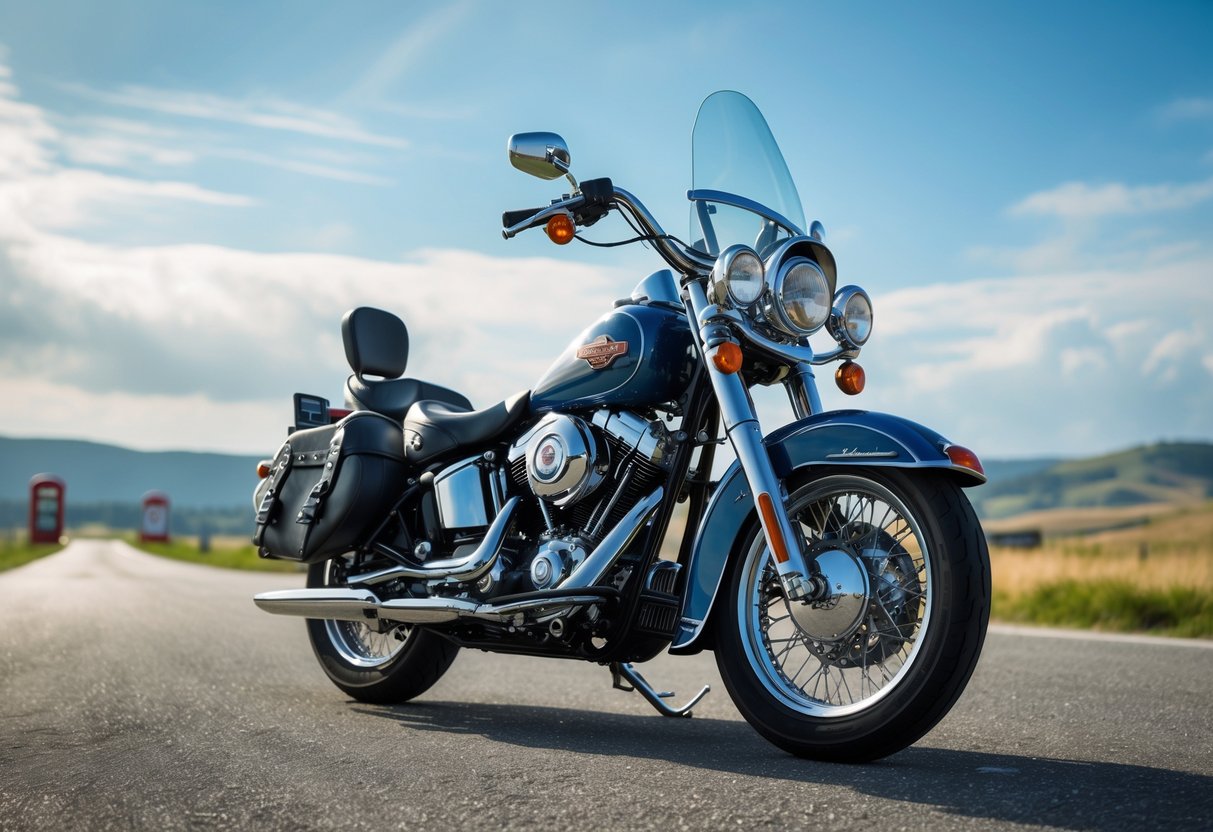
The company’s rise from humble beginnings to cultural icon stems from its combination of reliable engineering, distinctive sound, and deep connection to American values of freedom and independence. During World War II, the brand solidified its reputation by producing over 90,000 motorcycles for military use, proving the durability and toughness that would define the brand for decades.
Today, Harley-Davidson represents more than just transportation. The company has shaped motorcycle culture through its appearance in movies, television shows, and music, while building a loyal community of riders who see their motorcycles as expressions of personal identity. Despite facing challenges from competition and changing demographics, the brand continues to evolve while maintaining the distinctive character that made it an American legend.
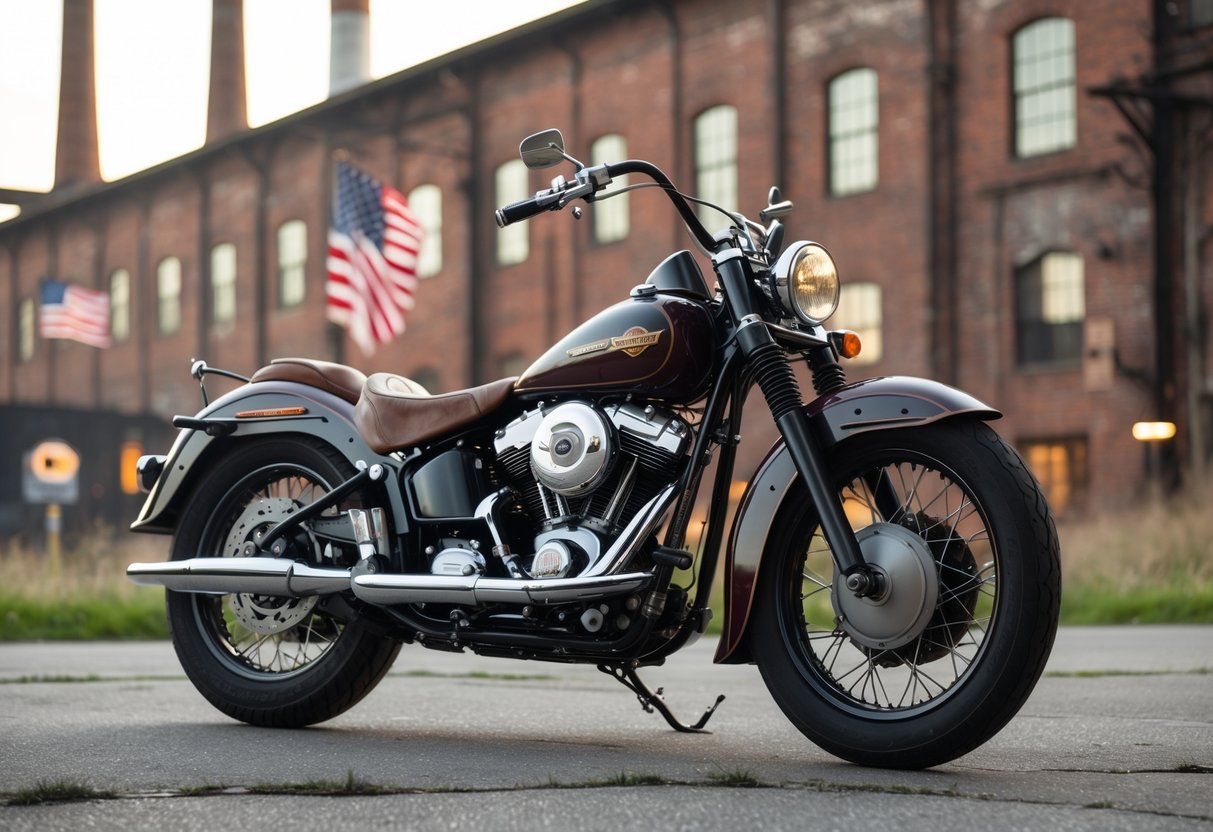
Harley-Davidson began in 1903 when William Harley and Arthur Davidson combined their mechanical skills in a small Milwaukee shed. Their early motorcycles featured innovative designs that would establish the company’s reputation for reliability and performance.
The initial spark for Harley-Davidson came in 1901 when William S. Harley and Arthur Davidson attended a vaudeville show. They watched performer Anna Held ride a three-wheeler with a single-cylinder engine across the stage.
This theatrical moment inspired the two friends to begin experimenting with engines on bicycles. Henry Melk and Ole Evinrude, who later became famous for outboard motors, helped with their early efforts.
Their first attempt was underpowered and disappointing. The bicycle with a small engine and belt drive could not meet their expectations.
By 1903, they started over with a larger engine and custom frame. Arthur Davidson wrote to his brother Walter, a railroad machinist in Kansas, asking for help.
Walter Davidson joined the team and immediately improved their motorcycle design. This collaboration between the Davidson brothers and William Harley created the foundation for the company.
The three men worked in a small wooden shed in Milwaukee, Wisconsin. This humble workshop became the birthplace of an American motorcycle legend.
The company’s first successful motorcycle appeared in 1903. This machine featured a 3-horsepower engine and weighed about 185 pounds.
Harley-Davidson focused on reliability over speed from the beginning. While competitors emphasized racing performance, the founders wanted dependable transportation.
Their early motorcycles earned the nickname “Silent Gray Fellow” due to their quiet operation and gray paint. This model established the company’s reputation for quality engineering.
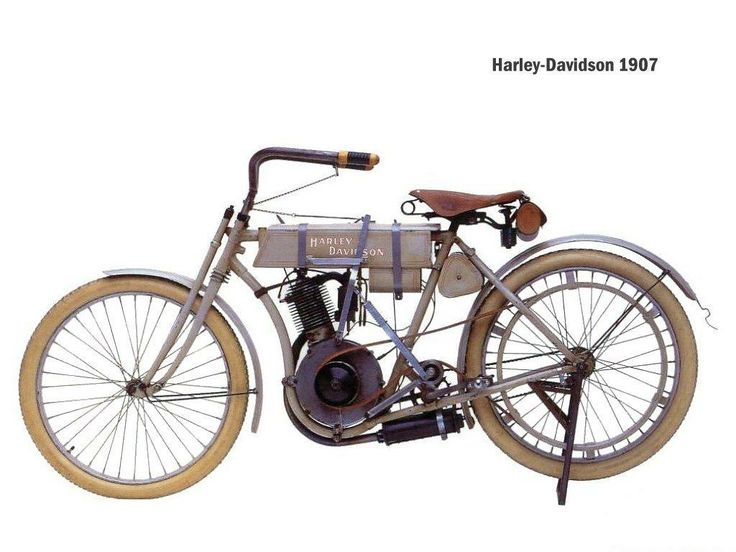
The motorcycle used a leather belt drive system and bicycle-style pedals. Riders could pedal to help the engine on steep hills or when starting.
Key early features included:
By 1904, they had built and sold their first motorcycles to the public. The demand grew quickly as word spread about their reliable machines.
Arthur Davidson handled much of the business side while William Harley focused on engineering. This division of labor helped the young company grow steadily.
Carl H. Lang became their first dealer when he agreed to sell motorcycles from his Chicago shop. Lang didn’t just sell the bikes – he organized group rides around the city.
The company incorporated as Harley-Davidson Motor Company in 1907. Arthur Davidson served as secretary and general sales manager.
Growth milestones included:
Arthur Davidson recognized that motorcycle riders wanted community and shared experiences. He encouraged dealers to organize group rides and events.
The V-twin engines introduced in 1909 became a signature feature. These engines provided more power and the distinctive sound that Harley-Davidson became famous for.
By 1910, Harley-Davidson was producing over 3,000 motorcycles annually. The company had grown from a backyard shed to a major manufacturer in less than a decade.
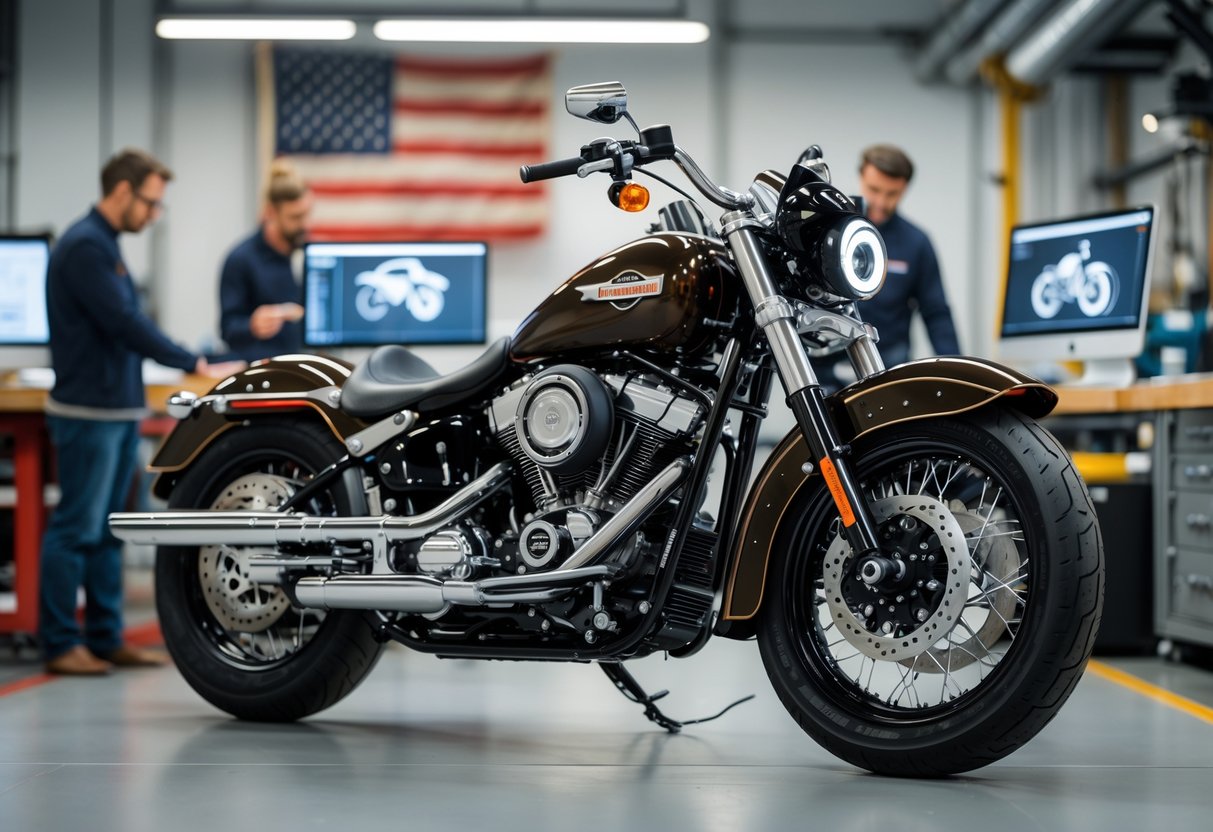
Harley-Davidson’s engineering success stems from three revolutionary innovations: the distinctive V-twin engine configuration that creates the brand’s legendary sound, the Softail suspension system that combines comfort with classic styling, and the versatile Sportster platform that balances performance with accessibility.
The V-twin engine design became Harley-Davidson’s defining feature in the early 1900s. This configuration places two cylinders at a 45-degree angle, creating the distinctive rumbling exhaust note.
Key V-Twin Advantages:
The V-twin produces more vibration than inline engines, but Harley engineers turned this into a selling point. Riders associate the engine’s pulse with authentic motorcycling experience.
Modern V-twin engines feature electronic fuel injection and advanced metallurgy. The Milwaukee-Eight engine, introduced in 2016, delivers improved power and reduced vibration while maintaining the classic V-twin character.
Each engine undergoes hand assembly and rigorous testing to ensure reliability. This attention to detail contributes to the engines’ reputation for longevity and performance consistency.
Harley-Davidson introduced the Softail frame in 1984 to solve a classic motorcycle dilemma. Riders wanted the clean look of rigid frames but needed rear suspension comfort for long rides.
The Softail design hides the rear shock absorbers beneath the transmission. This creates the appearance of a hardtail frame while providing modern suspension performance.
Softail Design Elements:
The original Softail used a single shock absorber mounted horizontally. Later versions incorporated dual shocks and advanced damping systems for better road handling.
In 2018, Harley redesigned the Softail platform with a lighter frame and improved suspension geometry. The new design reduced weight by 35 pounds while increasing rigidity and handling precision.
The Sportster debuted in 1957 as Harley’s answer to lighter, faster British motorcycles. The original XL model featured a 883cc V-twin engine in a compact, lightweight chassis.

Sportster engines use a different architecture than touring bikes. The transmission bolts directly to the engine cases, creating a rigid unit construction that saves weight and space.
Sportster Milestones:
The 883cc and 1200cc engine options serve different rider needs. The 883 provides an accessible entry point, while the 1200 delivers more power for highway riding.
Sportster styling emphasizes minimalism and functionality. The bikes feature lower seat heights, forward controls, and stripped-down aesthetics that appeal to urban riders and customization enthusiasts.
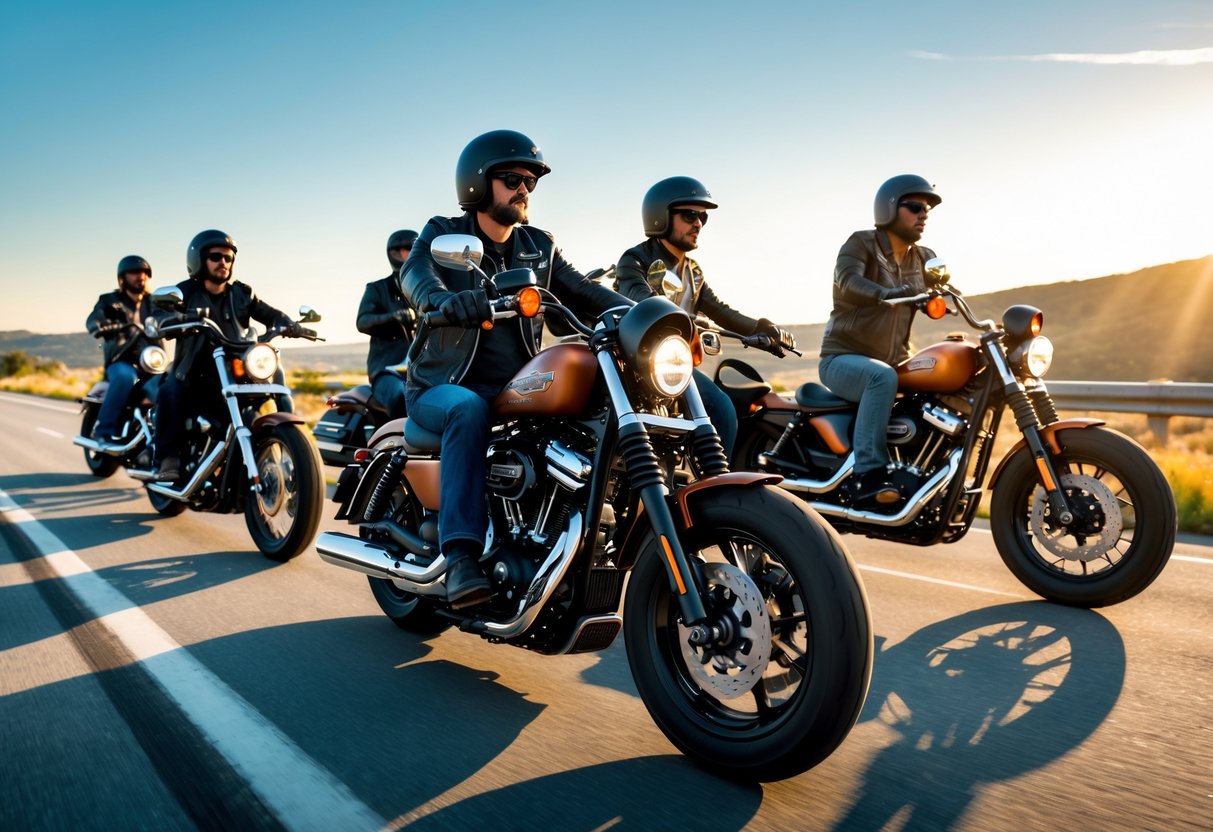
Harley-Davidson transformed motorcycling from simple transportation into a global cultural movement that celebrates freedom and brotherhood. The brand created lasting traditions through major rallies, inspired countless riders worldwide, and became a symbol of rebellion through iconic films.
Harley-Davidson culture transcends borders, creating a worldwide community of riders who share common values. The company built more than motorcycles – it created an identity that attracts people seeking adventure and independence.
The Harley Owners Group (H.O.G.) became the largest factory-sponsored motorcycle organization in the world. This group connects riders across different countries and backgrounds. Members participate in group rides, charity events, and social gatherings.
Key community elements include:
The brand’s appeal extends beyond traditional bikers. Lawyers, doctors, and business professionals join the Harley community on weekends. This diversity strengthens the culture and brings different perspectives to motorcycle enthusiasts.
Harley dealerships serve as community hubs where riders gather to share stories and plan adventures. These locations host bike nights, maintenance classes, and safety courses.
The Sturgis Motorcycle Rally stands as the world’s largest motorcycle gathering, attracting over 500,000 visitors annually. This South Dakota event began in 1938 and has become the ultimate celebration of motorcycle culture.
Harley-Davidson motorcycles dominate the streets during this week-long festival. Riders travel thousands of miles to participate in concerts, bike shows, and group rides through the Black Hills.
Sturgis highlights include:
The rally creates lasting friendships between riders from different states and countries. Many attendees return year after year, making Sturgis an annual pilgrimage.
Local businesses depend on the economic impact of the rally. Hotels, restaurants, and shops prepare all year for this massive influx of motorcycle enthusiasts.
The 1969 film “Easy Rider” forever changed how society viewed motorcycles and their riders. Hollywood discovered the Harley mystique through movies that turned motorcycles from machines into powerful symbols.
Peter Fonda and Dennis Hopper rode custom Harley choppers across America, representing freedom and counterculture values. The movie’s success sparked nationwide interest in motorcycle touring and customization.
Easy Rider’s cultural impact:
Other films followed this template, featuring Harley-Davidson motorcycles in action sequences and dramatic scenes. “Terminator 2” showcased a Fat Boy model that became instantly recognizable worldwide.
Television shows like “Sons of Anarchy” continued this tradition, keeping outlaw biker culture alive for new generations. These shows introduced younger audiences to motorcycle culture and Harley-Davidson’s rebellious image.
Musicians and celebrities embraced Harley ownership as a way to express their individuality and connect with fans who shared similar values.
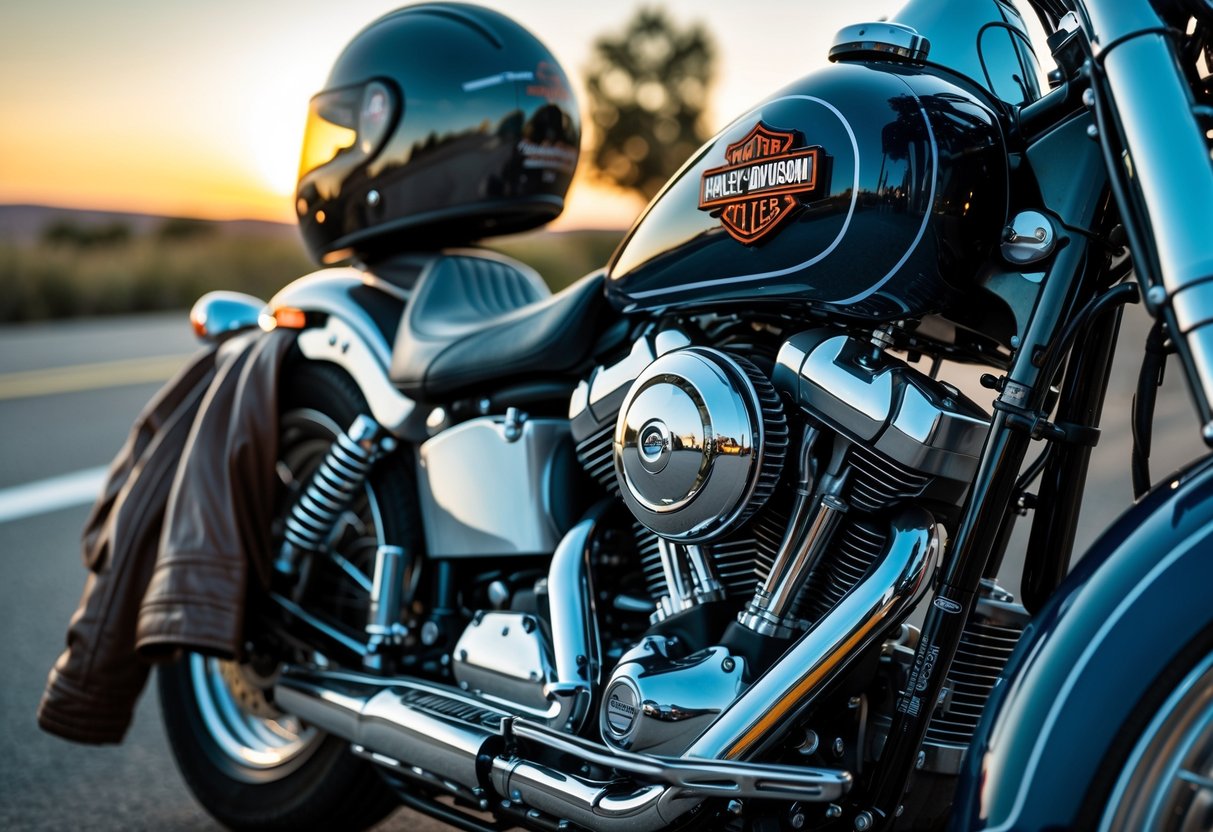
Harley-Davidson motorcycles serve as blank canvases for personal expression, with riders transforming stock bikes through custom paint schemes, performance upgrades, and unique modifications. This culture of customization has created a diverse community where individual identity merges with mechanical artistry.
Custom paint jobs represent the most visible form of Harley personalization. Riders choose from thousands of color combinations, graphics, and artistic designs to make their bikes stand out.
Popular paint styles include:
Professional custom painters charge between $3,000 to $15,000 for full bike paint jobs. Many riders opt for airbrushed designs featuring personal symbols, names, or meaningful imagery.
Tank and fender artwork often tells personal stories. Veterans display military insignia while others showcase family portraits or favorite landscapes. The custom movement originated after World War II when returning soldiers began modifying their motorcycles for self-expression.
Chrome accents and powder coating add finishing touches to painted surfaces. Riders frequently coordinate paint schemes with leather seats, grips, and other accessories to create unified visual themes.
The aftermarket parts industry generates billions in revenue from Harley modifications. Riders upgrade exhaust systems, air intakes, handlebars, and suspension components to improve performance and aesthetics.
Engine modifications include:
Cosmetic upgrades feature:
Exhaust systems rank as the most popular modification. Aftermarket pipes like Vance & Hines or Screamin’ Eagle products change both sound and horsepower output.
Harley-Davidson supports customization through official parts catalogs containing thousands of accessories. Dealers offer installation services and maintain warranties on approved modifications.
Independent shops specialize in custom builds, creating one-off motorcycles that showcase extreme modifications. These builds often cost more than the original motorcycle’s purchase price.
Modern Harley riders represent diverse demographics beyond traditional stereotypes. Women account for nearly 20% of new Harley purchases, while younger riders increasingly join the community.
Rider categories include:
The Harley Owners Group includes over one million members worldwide, creating the largest motorcycle community globally. Members organize rides, rallies, and charity events across different demographics.
Professional riders include doctors, lawyers, teachers, and business executives. Military personnel and first responders form significant portions of the riding community.
Each motorcycle serves as individual expression regardless of rider background. Customization allows personal storytelling through mechanical modifications and visual design choices.
Age ranges span from new riders in their twenties to experienced motorcyclists in their seventies. This diversity strengthens the customization market as different groups pursue distinct modification styles.
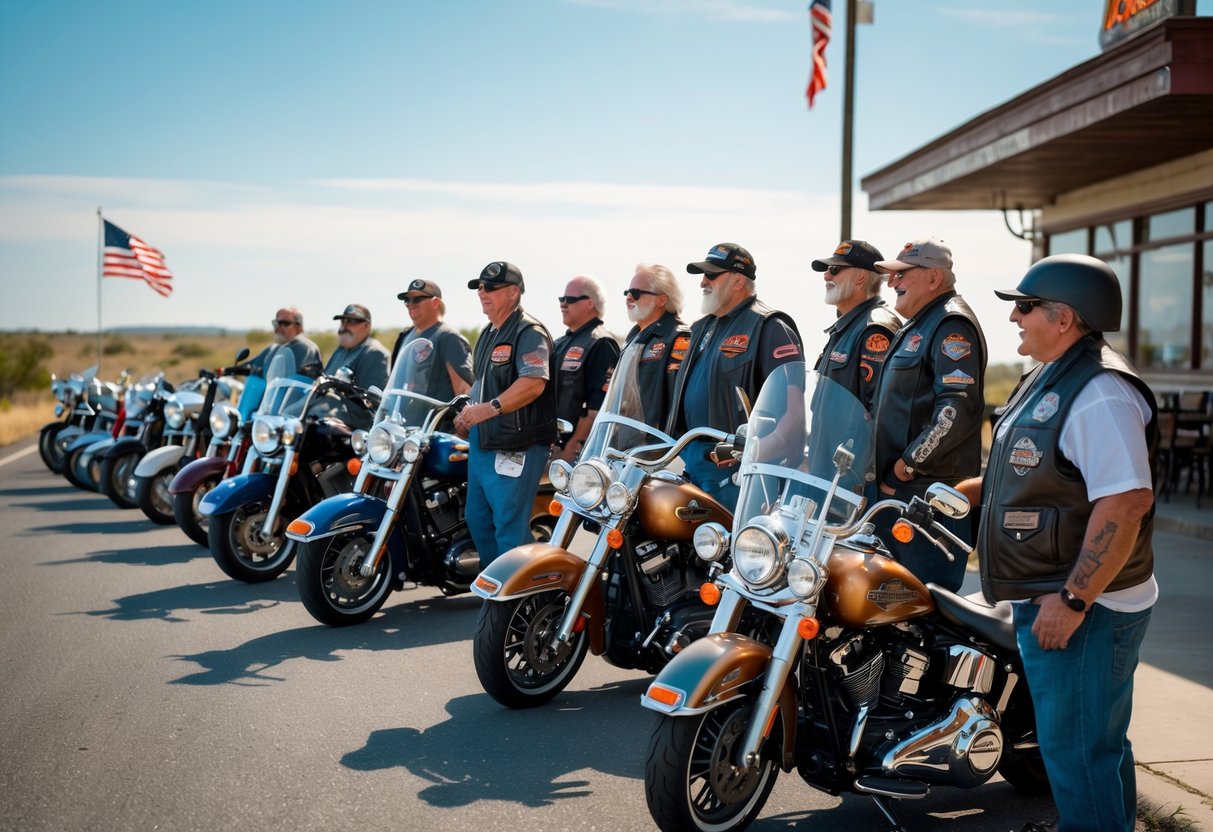
Harley-Davidson transformed customer relationships in 1983 by launching the Harley Owners Group (H.O.G.), creating the world’s largest factory-sponsored motorcycle organization. This community-building initiative connected riders globally while strengthening brand loyalty through shared experiences and services.
The Harley Owners Group officially launched in 1983 as Harley-Davidson’s response to growing demand from riders for organized community activities. The project began in 1982 when Steve Piehl, a young marketing employee, received just three months to develop the concept.
The initial focus centered on practical services rather than social activities. Early benefits included breakdown recovery assistance and theft reward programs. These services addressed real concerns for motorcycle travelers who lacked reliable roadside support.
By 1985, H.O.G. had expanded to 49 local chapters with 60,000 total members across the United States. The growth surprised company executives who had not anticipated demand for local dealership-based groups.
Today, over 1.2 million members make H.O.G. the largest factory-sponsored motorcycle organization worldwide. The chapter system emerged organically when dealers requested local groups, creating a grassroots network that strengthened community bonds.
H.O.G. created multiple ways for motorcycle enthusiasts to connect and share their passion. The original membership package included pins, patches, membership cards, and the crucial Touring Handbook that listed all Harley-Davidson dealers nationwide.
Local chapters became the heart of the community experience. These dealership-based groups organized rides ranging from Sunday afternoon trips to multi-day adventures across continents. Members could participate casually or become deeply involved in chapter activities.
Key Connection Methods:
The social aspect emerged as an unexpected but crucial element. What started as a service organization evolved into a framework for building friendships and planning adventures. Many riders progressed from day trips to overnight journeys that opened new possibilities for exploration.
H.O.G. fundamentally changed how Harley-Davidson interacted with customers. Before 1983, the company knew it had loyal customers but lacked direct connection methods. The organization created the foundation for Harley-Davidson’s customer-focused approach.
The program represents “the grandaddy of all community-building efforts,” promoting not just motorcycles but an entire lifestyle. This approach influenced countless other companies seeking to build customer communities around their products.
Company executives began attending H.O.G. events regularly, creating direct relationships with riders. This accessibility strengthened emotional connections between customers and the brand beyond simple product ownership.
Loyalty Impact Factors:
The chapter system created lasting bonds through tradition and continuity. Many chapters maintain decades-long histories with annual events, recognition programs, and leadership roles that give members stake in their local communities.
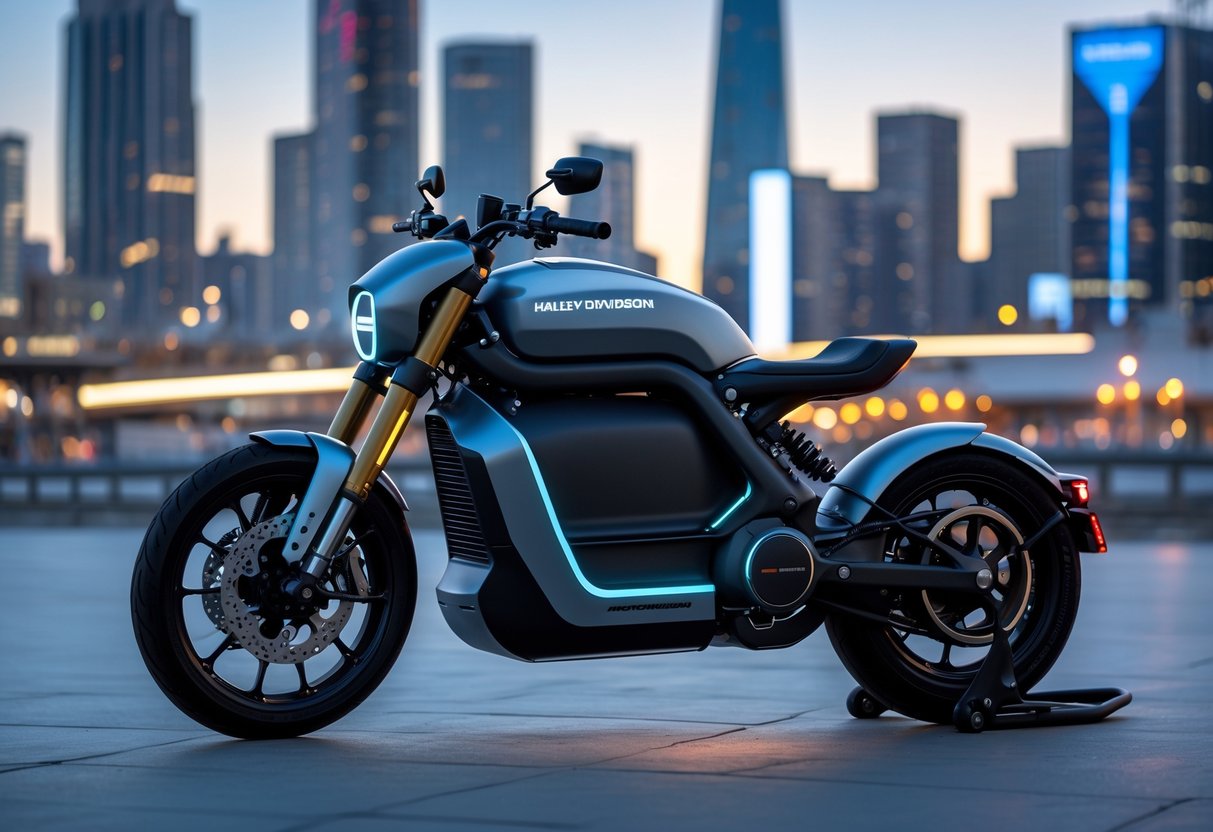
Harley-Davidson has embraced electric technology while adapting its brand to attract younger riders and navigate economic challenges. The company launched its first electric motorcycle in 2019 and has implemented strategic changes to survive market downturns and shifting consumer preferences.
Harley-Davidson made a bold move into the electric motorcycle market with the LiveWire in 2019. This marked the company’s first fully electric motorcycle after years of development.
The LiveWire delivered impressive performance specs. It produced 105 horsepower and 86 lb-ft of torque. The bike could accelerate from 0-60 mph in just 3.0 seconds.

However, the electric motorcycle faced significant challenges. The $30,000 price tag made it expensive for many riders. Its 146-mile range per charge limited long-distance touring capabilities.
Many traditional Harley customers resisted the electric motorcycle. They viewed it as a departure from the brand’s core identity and heritage.
In 2021, Harley spun off LiveWire into its own separate brand. This decision showed that while electric motorcycles had potential, traditional models remained the company’s main focus. The move allowed Harley to explore electric technology without alienating its loyal customer base.
The company faces a major demographic challenge as its customer base continues aging. Younger riders often prefer lighter and more affordable motorcycles from competing brands.
Harley responded by expanding beyond traditional cruiser motorcycles. In 2021, they launched the Pan America 1250, their first adventure motorcycle. This bike featured a liquid-cooled Revolution Max V-twin engine producing 150 horsepower.
The company also introduced the Sportster S with modern performance features. These models target younger riders seeking more versatile and powerful motorcycles.
Research shows that reaching millennials requires product innovations that appeal to their different riding preferences. Harley has hinted at developing smaller displacement models between 500-750cc for global markets like India and Asia.
The brand is working to balance innovation with tradition. They must attract new customers without losing their existing loyal riders.
Harley-Davidson has faced significant economic challenges in recent years. The company reported that consolidated revenue dropped 11 percent in 2024 compared to the previous year.
Global motorcycle shipments decreased dramatically. Between October and December 2024, shipments fell 53 percent compared to the same period in 2023.
Key Economic Challenges:
The company has responded with strategic changes under CEO Jochen Zeitz’s leadership since 2020. They emphasize premium models while reducing lower-end options to maintain profit margins.
Harley is implementing different strategies for international markets. They recognize that approaches for the US market differ from those needed in European and Asian markets. This geographic diversification helps reduce dependence on any single economic region during downturns.
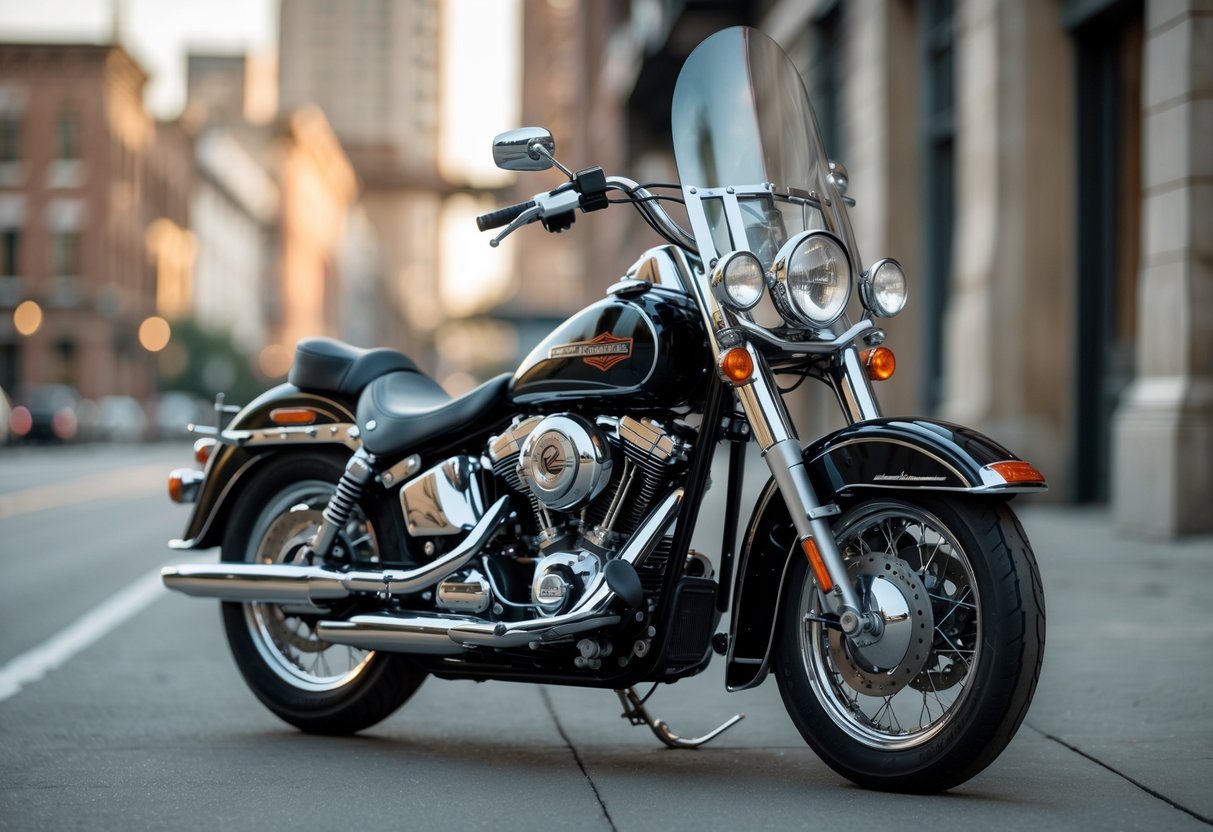
Harley-Davidson’s rise to iconic status involved surviving major economic challenges, creating distinctive motorcycle designs, and building a brand that represents freedom and rebellion. The company faced quality issues and foreign competition while simultaneously influencing movies, music, and American lifestyle culture.
Harley-Davidson became an American icon by surviving major historical challenges that eliminated most competitors. The company was one of only two major American motorcycle manufacturers to survive the Great Depression, establishing its reputation for durability and resilience.
The brand’s association with freedom and individuality helped cement its cultural status. Military use during both World Wars connected Harley-Davidson motorcycles with American patriotism and strength.
The distinctive sound and design of Harley motorcycles created a unique identity. This differentiation from competitors made the brand instantly recognizable and emotionally appealing to riders.
Harley-Davidson started as a small Milwaukee operation in 1903 focused on practical transportation. The early brand emphasized reliability and mechanical innovation for everyday riders.
During the mid-20th century, the brand shifted toward leisure and lifestyle marketing. Harley-Davidson began targeting riders who wanted motorcycles for recreation rather than just transportation.
By the 1980s, Harley had regained dominance in the heavyweight motorcycle segment, commanding close to 60% of the market. The brand evolved into a symbol of American manufacturing excellence and rebellious spirit.
The V-twin engine became Harley-Davidson’s signature innovation, introduced in 1909. This engine design created the distinctive rumbling sound that became synonymous with the brand.
The Sportster line, launched in 1957, appealed to younger riders seeking performance and style. These lighter, faster motorcycles helped expand Harley’s market beyond traditional touring riders.
The Electra Glide series established Harley’s dominance in the touring motorcycle category. These large, comfortable bikes became popular with riders taking long-distance trips across America.
Harley-Davidson focused marketing on lifestyle and identity rather than just product features. The company promoted the idea that owning a Harley meant joining an exclusive community of riders.
The brand cultivated relationships with motorcycle clubs and enthusiast groups. This grassroots approach created loyal customers who became brand ambassadors in their communities.
Harley-Davidson used rallies and events to build brand loyalty and community. The annual Sturgis Motorcycle Rally became closely associated with the Harley brand and culture.
Quality control problems plagued Harley-Davidson during the 1970s, damaging the brand’s reputation. Poor manufacturing led to reliability issues that drove customers toward Japanese competitors.
Competition from Japanese manufacturers nearly destroyed the company in the early 1980s. Honda, Yamaha, and other foreign brands offered more reliable motorcycles at lower prices.
Manufacturing questions arose as Harley-Davidson utilized international facilities in Brazil and Thailand, raising questions about the “American-made” label. This global expansion created debate about the brand’s American identity.
Harley-Davidson motorcycles became central to motorcycle club culture and the outlaw biker image. Movies like “Easy Rider” featured Harley motorcycles as symbols of counterculture and rebellion.
The brand influenced fashion trends beyond motorcycling, with leather jackets and boots becoming mainstream style elements. Harley-Davidson merchandise became popular among people who never rode motorcycles.
Rock music and Harley-Davidson developed a strong cultural connection, with many musicians featuring the bikes in songs and videos. This relationship reinforced the brand’s association with freedom and nonconformity.


