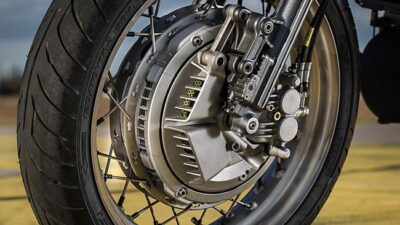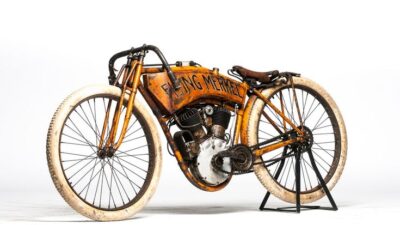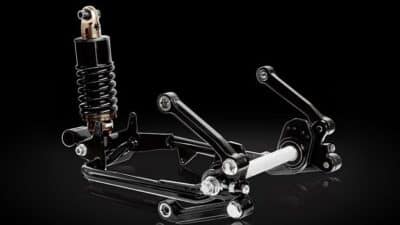
The Evolution of Motorcycle Suspension Systems: History to Innovation
Early motorcycles had no real suspension at all. Riders bounced along on rigid frames with only padded seats to cushion the impact of rough…



Off-road motorcycles didn’t start as the powerful machines riders see today. They began in the early 1900s when people modified regular motorcycles to handle rough terrain. Military use during World War I pushed these changes forward as soldiers needed bikes that could travel over difficult ground.
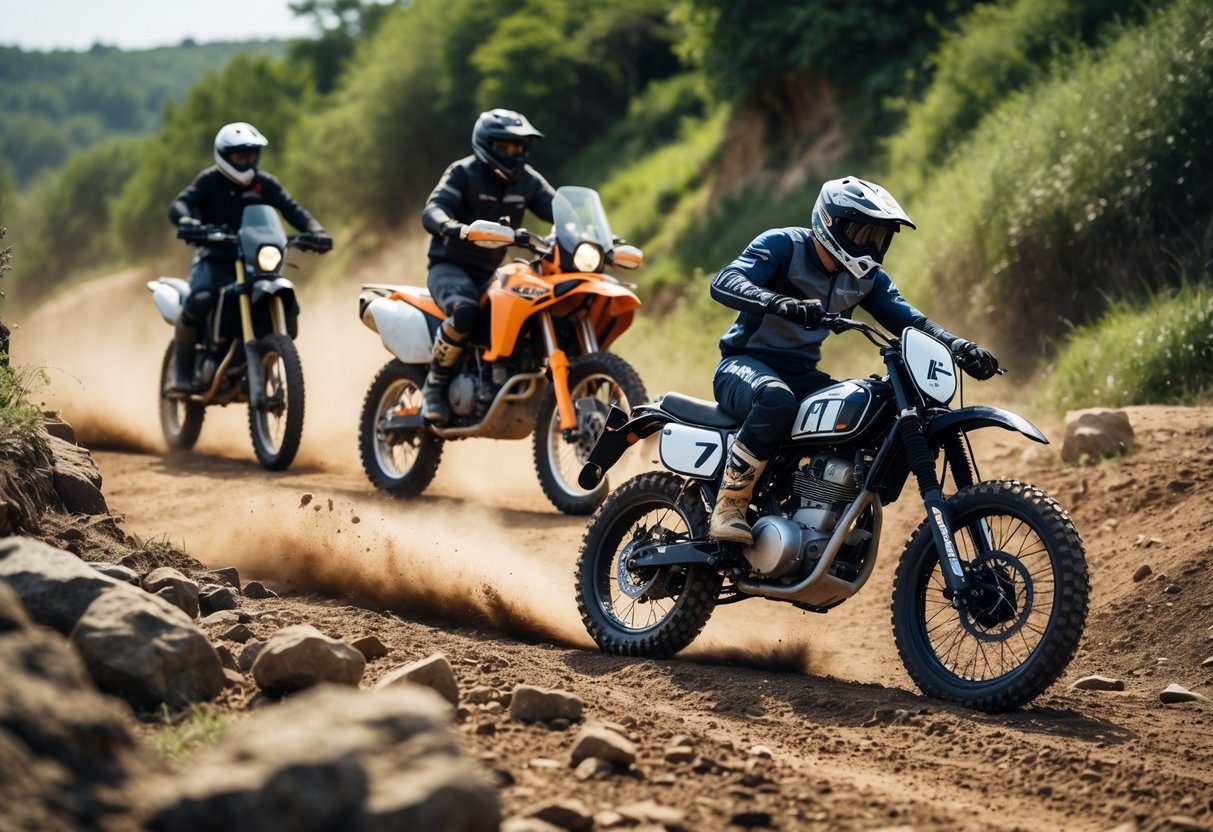
The first official motocross race took place in the UK in 1924, marking the start of organized off-road motorcycle competition. European companies like BSA and Triumph led early development in the 1930s and 1940s. By the 1960s, Japanese manufacturers like Honda, Yamaha, and Kawasaki changed everything with affordable, reliable dirt bikes that made off-road riding popular worldwide.
The technology kept improving over the decades. Two-stroke engines gave way to four-stroke power in the 1980s and 1990s. Modern bikes now feature advanced suspension systems, lighter materials, and even electric power options. These changes turned simple modified motorcycles into specialized machines built for different types of riding, from racing to trail exploration to adventure touring.
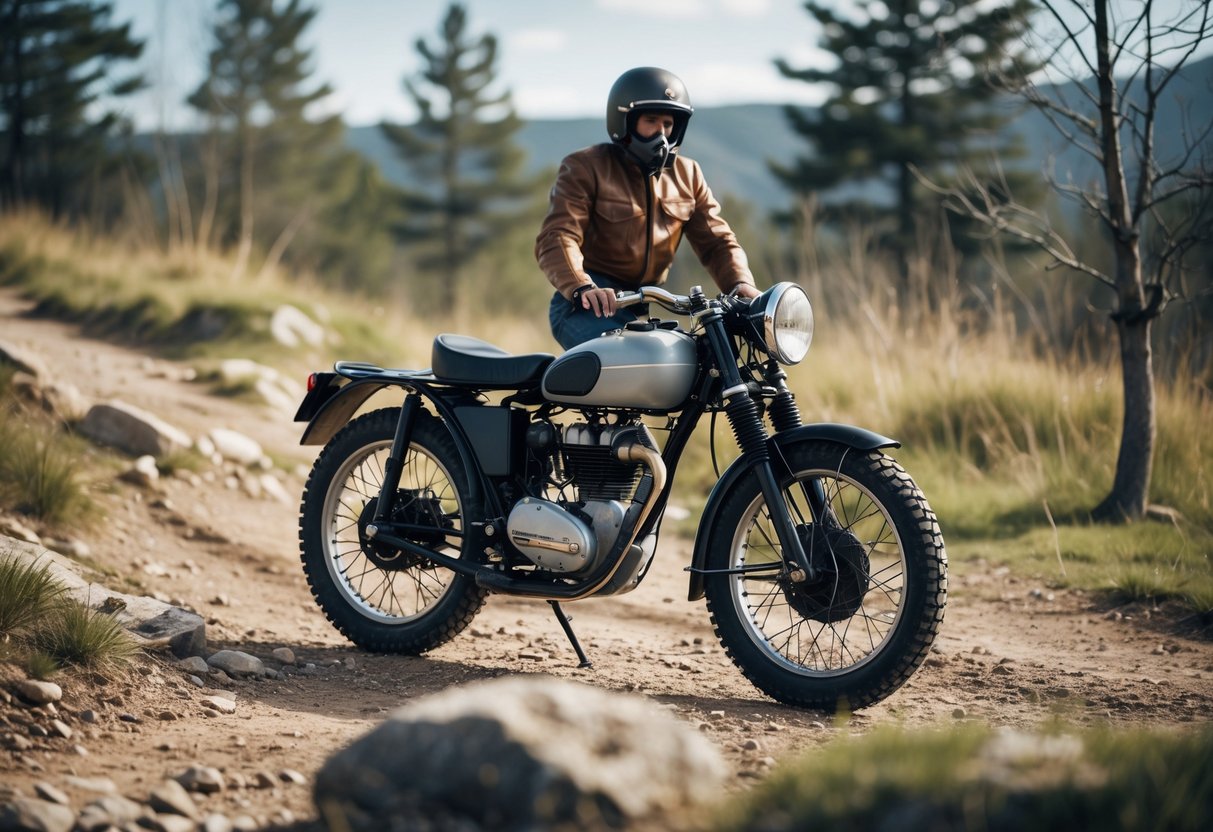
Off-road motorcycles emerged from modified street bikes in the early 1900s, driven by military needs and adventurous riders seeking to tackle rough terrain. Early manufacturers like Triumph, BSA, and Harley-Davidson developed purpose-built machines that laid the foundation for modern off-road riding.
The first motorcycles designed for off-road use appeared around 1914 when Triumph Engineering built a bike specifically for dirt riding. Before this, riders modified existing street motorcycles with basic changes to handle unpaved roads and rough trails.
Karl Drais invented the velocipede in 1817, which started the evolution toward motorized two-wheeled vehicles. Ernest Michaux added a steam engine to a velocipede in 1867. The real breakthrough came in 1885 when Gottlieb Daimler and Wilhelm Maybach built the Petroleum Reitwagen, the first gasoline-powered motorcycle.
Siegfried Bettmann worked to improve existing motorcycles for all-terrain use in the early 1910s. He modified bikes to handle different conditions and surfaces. His work at Triumph around 1914 produced what many consider the first true dirt bike.
Several major manufacturers began producing motorcycles that riders adapted for off-road use. BSA and Harley-Davidson both built motorcycles in the early 1900s that riders took on unpaved roads and trails.
The first organized off-road competition took place on January 23, 1924, in Camberley, Surrey, United Kingdom. This event, called the Scramble, grew from earlier trial competitions. These races pushed manufacturers to build stronger bikes with better handling on rough terrain.
Motocross racing likely originated in Europe, possibly France, where riders raced through wooded trails and up mountains. By the 1930s, manufacturers started making specific improvements to dirt bikes to handle the demands of racing and rough terrain.
Military forces used motorcycles for off-road purposes during World War I. Soldiers needed vehicles that could cross rough terrain, muddy fields, and damaged roads. These early military bikes were often modified street motorcycles with minimal changes.
The military use of motorcycles showed the need for better suspension, stronger frames, and more reliable engines. After World War II, Soichiro Honda started producing affordable motorcycles in 1946 to meet transportation needs. Military surplus bikes became available to civilians, which increased interest in off-road riding as a recreational activity.
Harley-Davidson had extensive experience with off-road motorcycles through military contracts and adventurous riders who explored remote areas. The combination of military development and civilian interest pushed manufacturers to create better machines for off-roading.
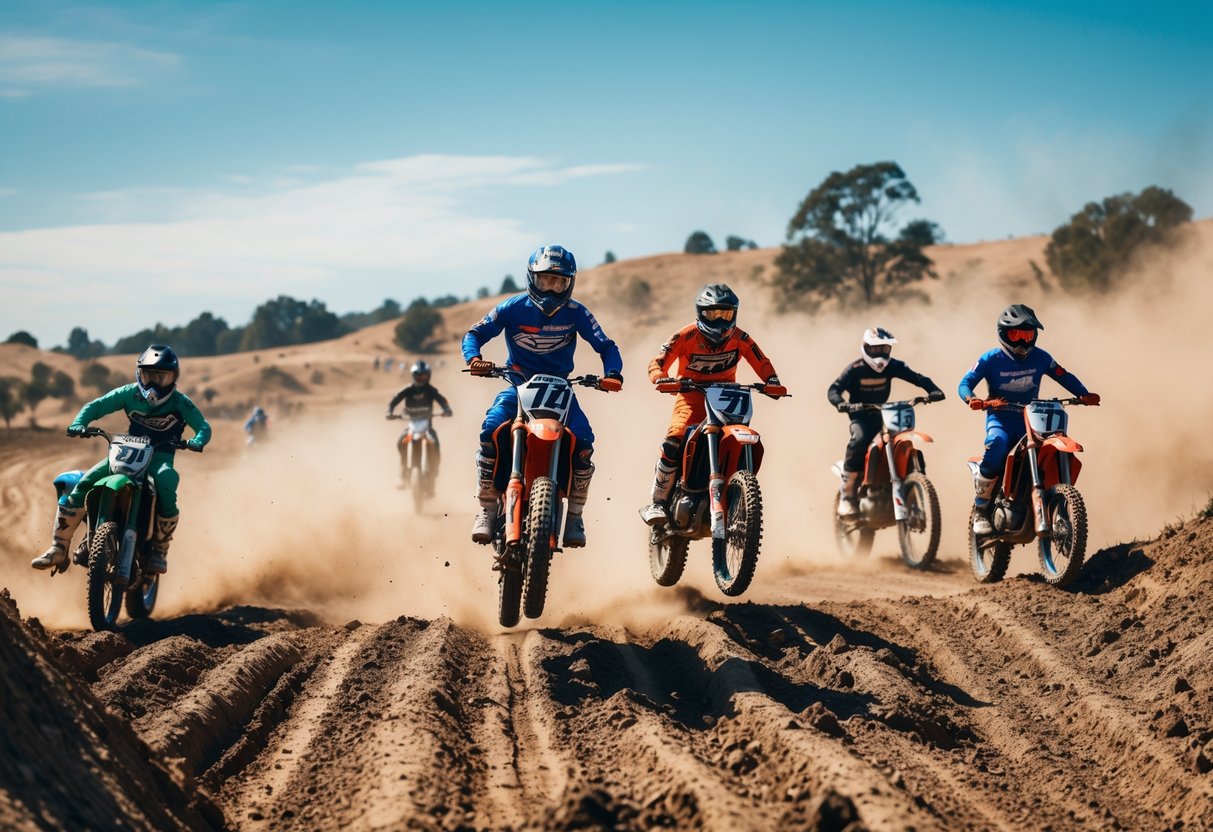
Competitive off-road motorcycling transformed from informal races on natural terrain into organized international championships during the mid-20th century. The sport gained structure through official sanctioning bodies, specialized bike development, and the rise of professional racing circuits that spread from Europe to North America and beyond.
The term “scrambling” appeared in Britain during the 1920s to describe chaotic races across rough countryside terrain. Early competitors rode modified street bikes weighing over 300 pounds with basic suspension and knobby tires added for traction. The Auto-Cycle Union organized formal scramble events starting in 1924, establishing closed courses with multiple laps that resembled modern racing formats.
The Fédération Internationale de Motocyclisme recognized the sport’s growth and sanctioned the first European Motocross Championship in 1952. This championship evolved into the FIM Motocross World Championship in 1957, legitimizing motocross as an international motorsport. Belgian and Swedish riders dominated early competition, with René Baeten winning the 500cc World Championship in 1958.
The sport reached American audiences through Edison Dye’s efforts in the 1960s. He organized the Inter-Am series in 1966, bringing European champions like Torsten Hallman and Roger De Coster to compete in the United States. The 1971 documentary “On Any Sunday” further popularized off-road racing by showcasing the sport’s excitement to mainstream audiences.
European manufacturers like CZ, BSA, and Husqvarna built the first purpose-designed motocross bikes in the 1950s. These machines featured lighter frames, more powerful two-stroke engines, and improved suspension systems with telescopic forks and twin shock absorbers. Long-travel suspension became standard by the late 1960s, allowing riders to tackle larger jumps and rough terrain at higher speeds.
Japanese manufacturers entered the motocross market in the early 1970s with innovative designs. Yamaha introduced the monoshock suspension system, which improved handling and weight distribution. Honda, Suzuki, and Kawasaki brought mass production capabilities and competitive pricing that challenged European dominance. The shift to four-stroke engines began in the late 1990s, offering broader powerbands and superior torque compared to traditional two-stroke designs.
Enduro racing developed alongside motocross, requiring bikes capable of sustained performance over long distances through varied terrain. These specialized machines balanced power delivery with reliability for multi-hour competitions.
Belgium and the Netherlands became centers for competitive off-road motorcycling after World War II. Natural terrain circuits in these countries featured steep hills, muddy sections, and technical obstacles that tested both rider skill and machine durability. Belgian riders like Joël Robert and Roger De Coster became multiple world champions, establishing Europe’s reputation for producing elite talent.
The sport expanded rapidly during the 1970s as organized national championships formed in North America, Australia, and Japan. The AMA Motocross Championship launched in 1972, creating a professional racing structure in the United States. Stadium-based Supercross emerged as a distinct discipline, bringing motocross racing into urban venues with man-made tracks featuring tight turns and technical jump sections.
Off-road motorcycling encompasses multiple competitive formats beyond traditional motocross. Enduro racing tests endurance over point-to-point courses. Rally racing involves navigation across vast distances. Each discipline requires specialized bikes and skills while sharing common roots in early scramble competitions.
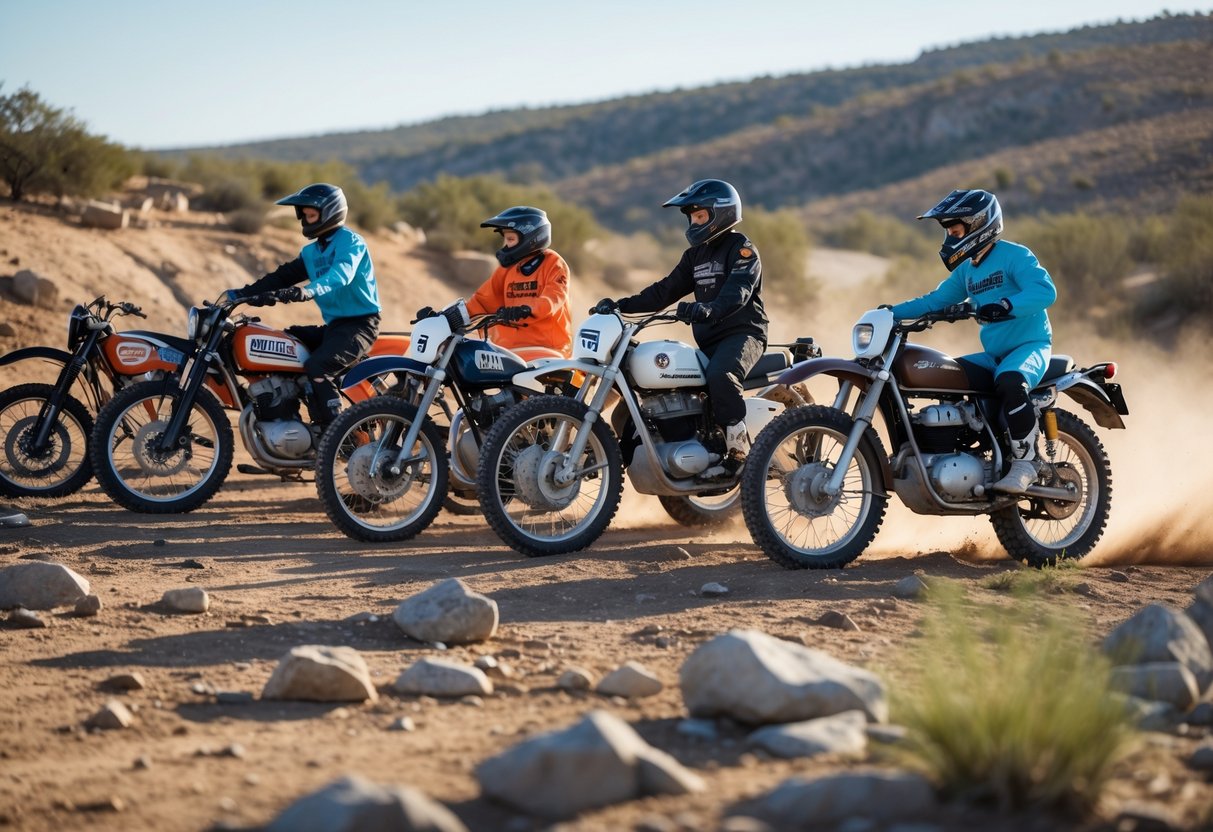
Off-road motorcycles have transformed through major improvements in suspension, engines, electronics, and frame construction. These developments changed basic dirt bikes into machines that can handle extreme terrain while keeping riders safe and in control.
Early off-road bikes had basic suspension with limited travel, often just a few inches. Riders felt every bump and landing hard. The 1960s brought the first major change with longer-travel forks that could absorb bigger impacts.
By the 1970s, manufacturers developed advanced suspension systems with adjustable damping. This let riders tune their bikes for different terrain types. Front suspension travel increased from 3-4 inches to over 12 inches on modern bikes.
Rear suspension saw similar progress. The single-shock design replaced twin-shock systems in the 1980s. This created better weight distribution and more consistent performance. Modern suspension uses high-pressure gas cartridges and complex valving to control both compression and rebound.
Today’s bikes feature fully adjustable suspension with separate settings for high-speed and low-speed compression. Some models include electronic suspension that adapts automatically to changing terrain conditions.
Two-stroke engines dominated off-road racing for decades. They offered high power in a light package. These engines were simple, with fewer moving parts than four-strokes. However, they burned oil with fuel and created more pollution.
The shift to four-stroke engines started in the late 1990s. Four-strokes provided better fuel economy and cleaner emissions. They also delivered power more smoothly across the RPM range.
Fuel injection replaced carburetors in the 2000s. This technology improved cold starts, eliminated jetting issues at different altitudes, and increased fuel efficiency by 20-30%. Fuel injection also helped bikes meet stricter environmental regulations.
Modern engines use lightweight materials like titanium valves and magnesium cases. Computer-controlled ignition timing optimizes power delivery. Some manufacturers now produce electric off-road bikes with instant torque and zero emissions.
Electronic rider aids became common on off-road bikes in the 2010s. Traction control monitors wheel spin and reduces engine power when the rear tire loses grip. This helps riders maintain control on loose surfaces like sand or mud.
Multiple riding modes let riders adjust power delivery with the push of a button. Rain mode reduces power for slippery conditions. Sport mode provides full power for experienced riders on dry terrain.
Anti-lock braking systems (ABS) prevent wheel lockup during hard stops. Off-road ABS can be switched off for the rear wheel, since locked-rear-wheel sliding helps control the bike on dirt.
Common Electronic Features:
Knobby tires became standard for off-road use in the 1950s. The tall rubber blocks dig into soft terrain for traction. Different knob patterns work better for specific conditions like mud, sand, or hard-pack.
Tire compounds evolved to handle wider temperature ranges. Soft compounds grip better but wear faster. Hard compounds last longer on rocky terrain. Modern tires use dual-compound construction with harder centers and softer sides.
Chassis design moved from heavy steel frames to lightweight aluminum in the 1990s. Aluminum frames reduced weight by 15-20 pounds while increasing stiffness. This improved handling and reduced rider fatigue.
Manufacturers now use computer modeling to optimize frame flex. Too stiff feels harsh, while too flexible reduces control. The right balance lets the frame absorb small bumps while staying rigid during hard cornering and jumps. Some bikes feature adjustable subframes to change handling characteristics.
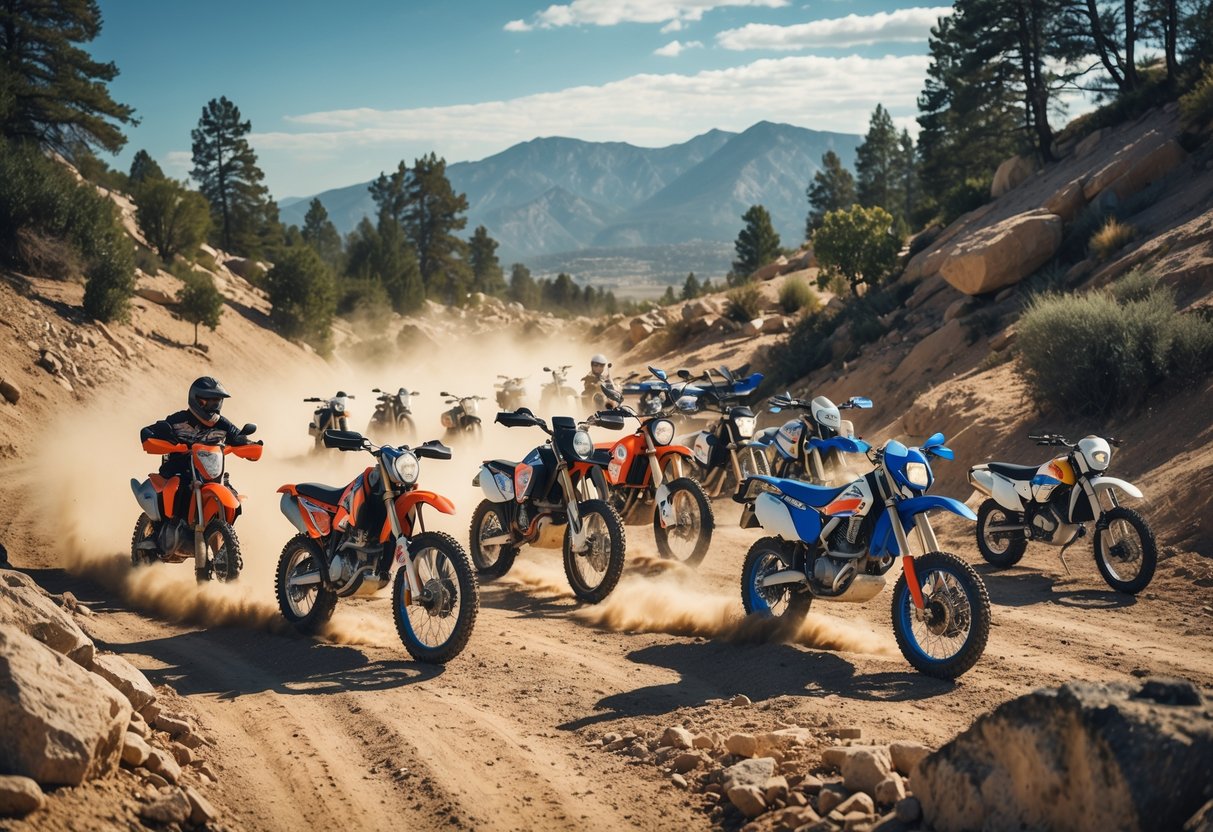
British and American companies first brought off-road motorcycles to market in the early days, creating durable machines for rough terrain. Japanese manufacturers later transformed the industry through advanced engineering and mass production techniques.
BSA emerged as a dominant force in off-road motorcycling during the 1950s and 1960s. The British manufacturer built lightweight singles that excelled in desert racing and trail riding. Their bikes earned numerous victories in events like the International Six Days Trial.
Harley-Davidson entered the off-road market with models designed for military use and recreational riding. The company produced the Hummer, a small two-stroke bike that introduced many Americans to off-road riding in the 1950s. While Harley focused primarily on street bikes, their early off-road efforts helped establish the market.
British brands like Triumph and Norton also contributed to off-road development. These manufacturers created bikes with better suspension systems and more powerful engines than earlier models. American riders favored these British machines for their reliability on difficult terrain.
Honda revolutionized off-road motorcycles in the 1960s with the introduction of the CL and SL series. These bikes featured reliable four-stroke engines and improved suspension systems. The CR series later became a staple in motocross racing.
Yamaha launched competitive two-stroke off-road bikes that delivered exceptional power-to-weight ratios. Their DT series became popular among trail riders in the 1970s. The YZ motocross line set new standards for racing performance.
Suzuki and Kawasaki joined the competition with their own innovative designs. Japanese manufacturers invested heavily in racing programs to develop better technology. Their mass production capabilities made off-road motorcycles more affordable and accessible to average riders. This approach shifted market dominance away from European brands by the mid-1970s.
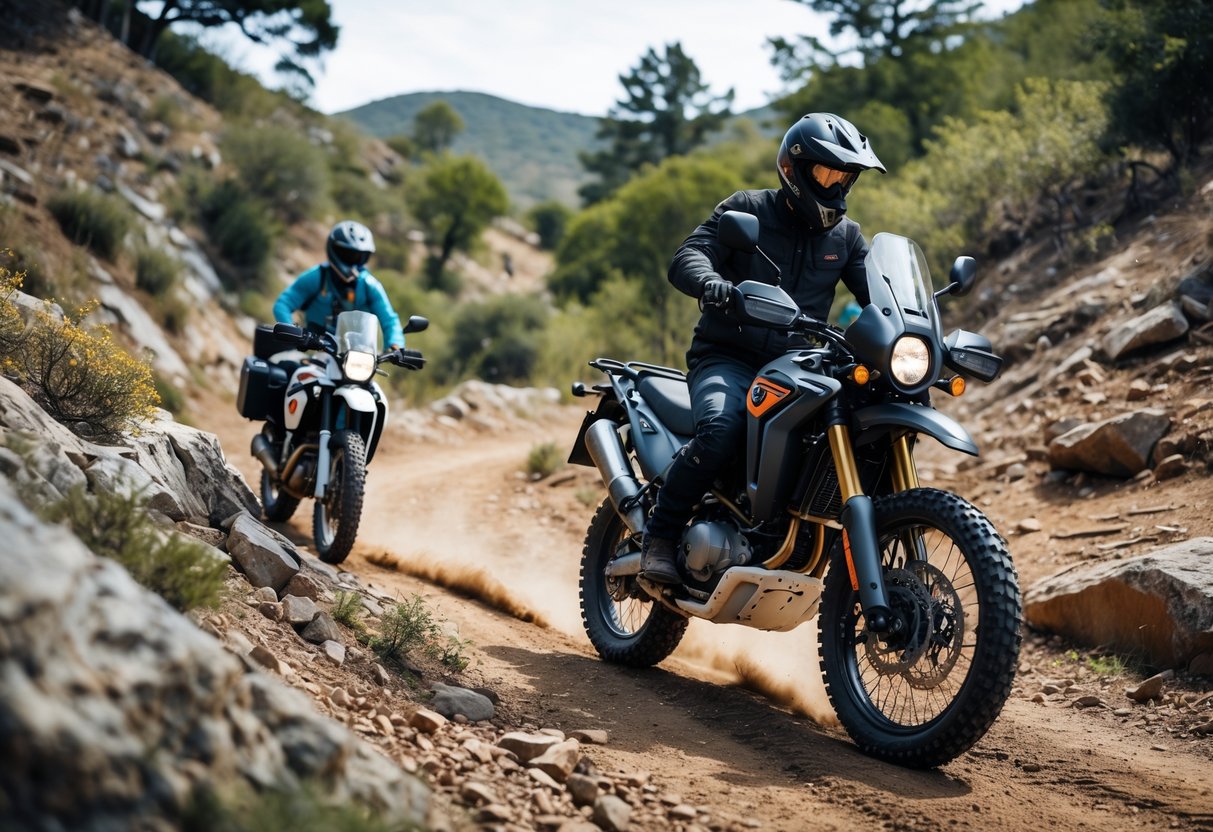
Off-road motorcycles evolved into more versatile machines during the mid-20th century. Riders wanted bikes that could handle both paved roads and dirt trails, leading to the development of dual-sport and adventure motorcycles.
Manufacturers began producing street-legal off-road motorcycles in the 1950s and 1960s to meet growing demand. These bikes featured lights, mirrors, and other equipment required for road use while maintaining off-road capability.
The 1990s marked a major shift with the introduction of true dual-sport motorcycles. The Kawasaki KLR 650 and Honda XR650L became popular choices for riders who wanted one bike for both environments. These models offered a practical balance of on-road comfort and off-road performance.
Dual-sport bikes allowed riders to explore remote off-road trails and then ride home on paved roads. This versatility opened up new riding opportunities that weren’t possible with purely off-road motorcycles. The bikes typically featured larger fuel tanks, more comfortable seats, and better wind protection than traditional dirt bikes.
Adventure bikes emerged as a distinct category in 1980 when BMW introduced the R 80 GS. This motorcycle combined a powerful engine with long-travel suspension and luggage capacity. It quickly gained popularity among riders planning extended trips on varied terrain.
Modern adventure bikes include advanced features like electronic suspension, traction control, and ABS brakes. The BMW R 1250 GS and KTM 1290 Super Adventure represent current high-performance options. These machines offer capabilities that early riders could never have imagined.
Adventure bikes now serve multiple purposes. Some models focus on long-distance touring while others emphasize off-road performance. Riders select bikes based on whether they prioritize comfort, capability, or a specific balance between the two.
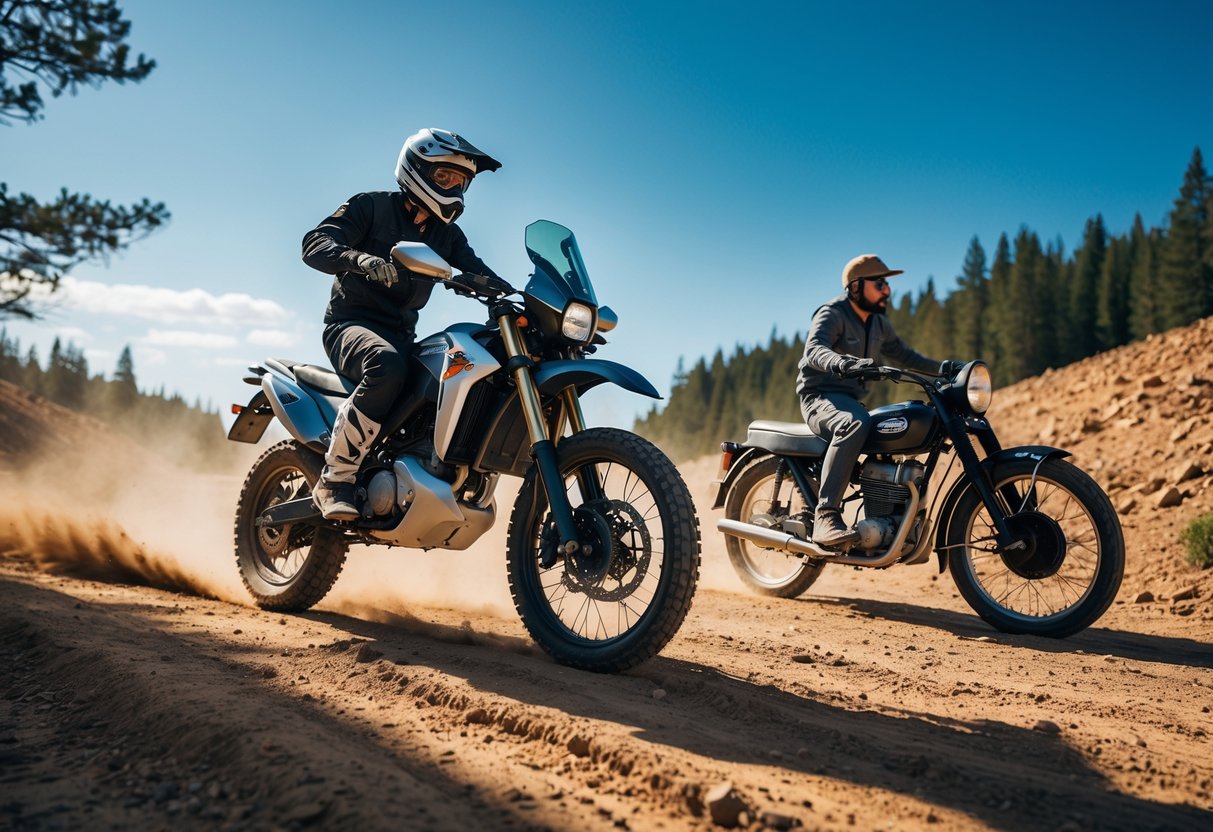
Off-road motorcycles now feature advanced electronics and fuel management systems that improve performance and control. Manufacturers prioritize rider safety through better technology while developing sustainable options to reduce environmental impact.
Modern off-road motorcycles include fuel injection systems that replaced older carburetor designs. These systems deliver precise amounts of fuel based on riding conditions, which improves throttle response and reduces emissions.
Traction control has become standard on many high-end models. This technology monitors wheel spin and adjusts power delivery to prevent the rear wheel from losing grip on loose terrain. Riders can often adjust these settings to match different surfaces like mud, sand, or rocks.
Electronic ride modes let riders switch between different power delivery settings with the push of a button. Some bikes now include smartphone connectivity that allows riders to customize settings, track maintenance schedules, and record ride data. GPS navigation systems built into the dashboard help riders explore new trails without getting lost.
Manufacturers design modern off-road bikes with better ergonomics that reduce fatigue during long rides. Adjustable seat heights and handlebar positions let riders customize the fit to their body size.
Advanced suspension systems use electronic adjustments that adapt to terrain in real time. These systems can soften for rough trails or stiffen for high-speed riding without manual changes.
LED lighting has replaced traditional bulbs on most new models. These lights provide better visibility during early morning or evening rides while using less power from the battery.
Anti-lock braking systems (ABS) designed for off-road use help prevent wheel lockup on varied terrain. Riders can often disable these systems for extreme conditions where locked wheels provide better control.
Electric off-road motorcycles have gained popularity as battery technology improves. These bikes produce zero emissions and require less maintenance than gas-powered models. Battery range now extends past 50 miles on some models, which covers most trail rides.
Manufacturers explore sustainable materials in bike construction. Recycled plastics and bio-based composite materials reduce the environmental footprint of production.
Stricter emission standards push companies to develop cleaner engines. Four-stroke engines have largely replaced two-stroke designs because they burn fuel more efficiently and produce fewer pollutants. Some manufacturers test hydrogen fuel cells as an alternative power source for future models.
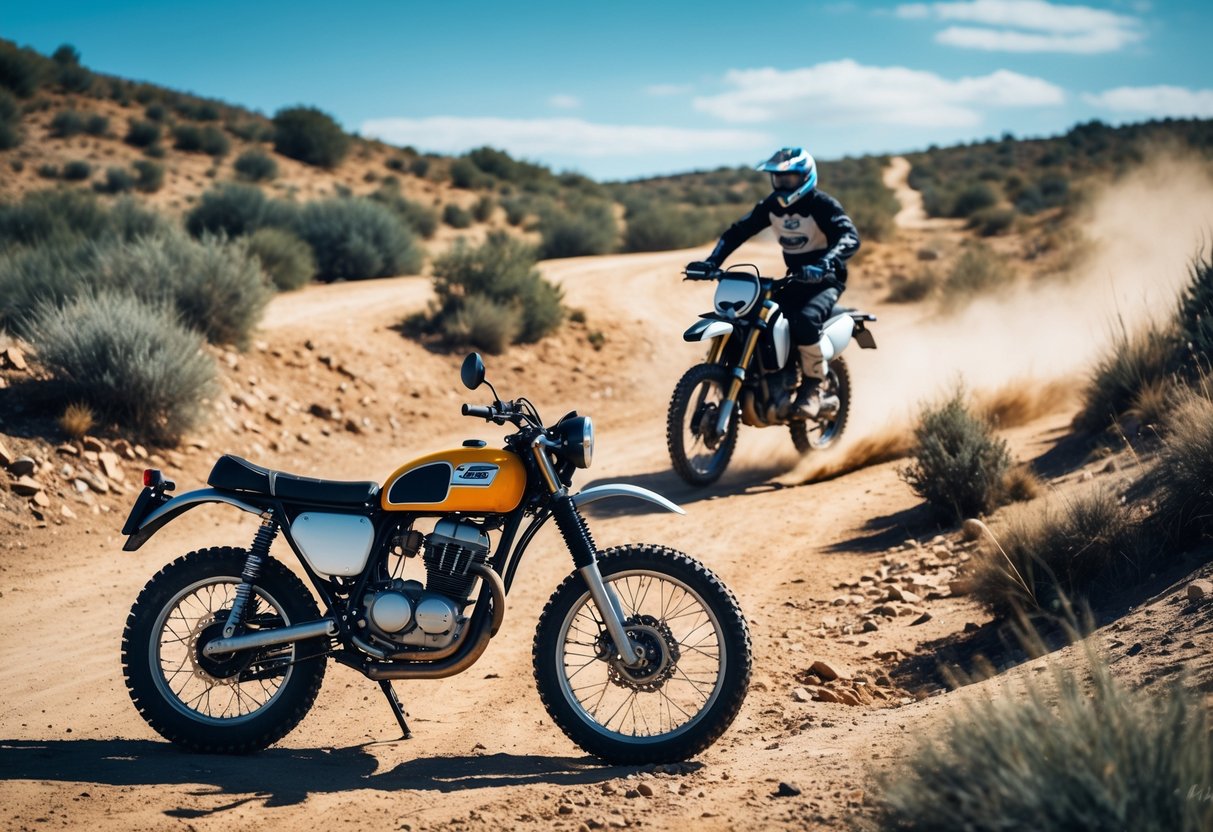
Off-road motorcycles trace their roots to 1914 when the Birmingham Small Arms Company created the BSA Scrambler, the first purpose-built dirt bike. The sport grew through military use in World War II, exploded during the motocross boom of the 1960s-70s, and continues to advance with modern fuel injection and electronic systems.
Off-road motorcycles began in the early 1900s when riders modified standard motorcycles to handle unpaved terrain. These early machines were basic road bikes adapted with minimal changes to traverse rough paths.
The first true dirt bike appeared in 1914. Siegfried Bettmann and the Birmingham Small Arms Company (BSA) built the BSA Scrambler specifically for off-road racing. This bike featured knobby tires, a lightweight frame, and a high-mounted exhaust to handle mud and rocks.
During World War II, military units used dirt bikes for reconnaissance and messenger duties. The bikes proved useful because they could move quickly across rough terrain where regular vehicles struggled.
The 1960s and 1970s brought major growth to the sport. Motocross racing became popular worldwide, and manufacturers like Yamaha and Honda started building bikes designed only for racing. Iconic models like the Yamaha YZ125 and Honda CR250 appeared during this golden age.
The Birmingham Small Arms Company manufactured the first dirt bike in 1914. Siegfried Bettmann, who founded BSA and helped establish Triumph Motorcycle Company, recognized the growing interest in off-road racing and created a motorcycle to meet that demand.
The BSA Scrambler was built in Birmingham, England. It used a 500cc single-cylinder engine that produced 3.5 horsepower and ran on alcohol fuel. While people didn’t call it a “dirt bike” at the time, the Scrambler was the first motorcycle built specifically for off-road use rather than adapted from road bikes.
Early dirt bikes like the 1914 BSA Scrambler were simple machines with basic modifications for off-road use. They had knobby tires for traction, lighter frames than road bikes, and exhaust systems mounted high to avoid obstacles.
The golden age of the 1960s and 1970s brought significant improvements. Manufacturers developed specialized frames, better suspension systems, and more powerful engines designed specifically for racing. Bikes became lighter and more responsive to rider input.
Modern dirt bikes are advanced machines with technology that early riders couldn’t imagine. Today’s bikes feature fuel injection systems that adjust automatically to conditions. Advanced suspension systems use multiple adjustments to match different terrain types.
Current models also include traction control systems that prevent wheel spin and electronic engine mapping that riders can change with buttons. These features let riders perform jumps and tricks that were impossible just a few decades ago.
Two-stroke engines became popular in dirt bikes because they offered key advantages for off-road racing. These engines are lighter than four-stroke engines of similar power, which helps bikes handle better on rough terrain.
Two-stroke engines also produce power differently than four-stroke engines. They deliver a strong burst of power that works well for acceleration out of corners and over obstacles. This power characteristic suited the demands of motocross and enduro racing.
The lighter weight and simpler design made two-stroke bikes easier to maintain and repair. Riders could work on their own bikes between races, which helped the sport grow at the grassroots level during the 1960s and 1970s.
Dual-sport motorcycles emerged as riders wanted bikes that could handle both paved roads and off-road trails. These machines combine features from street bikes and dirt bikes to work in both environments.
A dual-sport motorcycle is street legal with all required equipment like lights, mirrors, and turn signals. It also has off-road capabilities with longer suspension travel, knobby tires, and higher ground clearance than standard street bikes.
These bikes let riders legally ride on public roads to reach trailheads and wilderness areas. Once there, the same bike can handle dirt paths, rocky trails, and other challenging terrain before returning home on pavement.
Enduro motorcycles developed as a specific type of off-road bike designed for long-distance racing through varied terrain. These bikes needed to balance speed with reliability for races that lasted hours or even days.
The sport of enduro racing grew in popularity during the 1950s and 1960s in Europe. Manufacturers like Husqvarna became known for building bikes that could withstand the punishment of all-day racing through forests, mountains, and deserts.
The International Six Days Enduro, which began in 1913, became the premier event for testing these motorcycles. This competition pushed manufacturers to improve durability, fuel capacity, and rider comfort for long-distance events.
Modern enduro bikes incorporate features from both motocross and trail bikes. They have powerful engines like motocross bikes but add larger fuel tanks, softer suspension settings, and equipment for navigation during multi-hour races.