Famous Father-Son Duos in Motorsport: Legendary Legacies on Track
Racing talent often runs in families, creating some of the most compelling stories in motorsport history. From Formula 1 champions to rally…


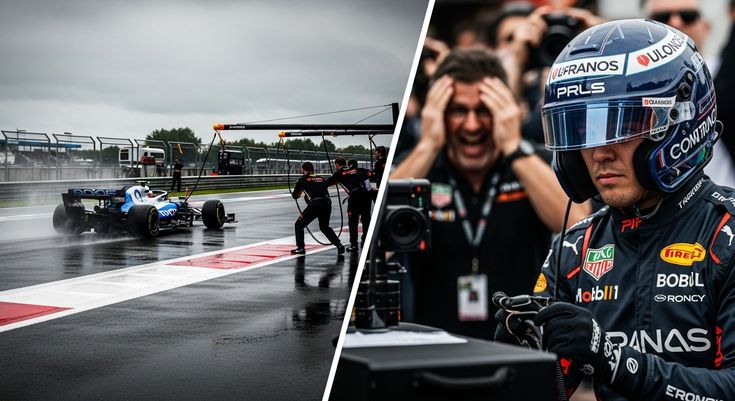
Weather conditions can transform a perfectly planned race into chaos within minutes, forcing teams to make split-second decisions that determine victory or defeat. Rain, temperature changes, and wind don’t just affect how fast cars can go – they completely reshape every aspect of racing strategy from tire selection to pit stop timing.
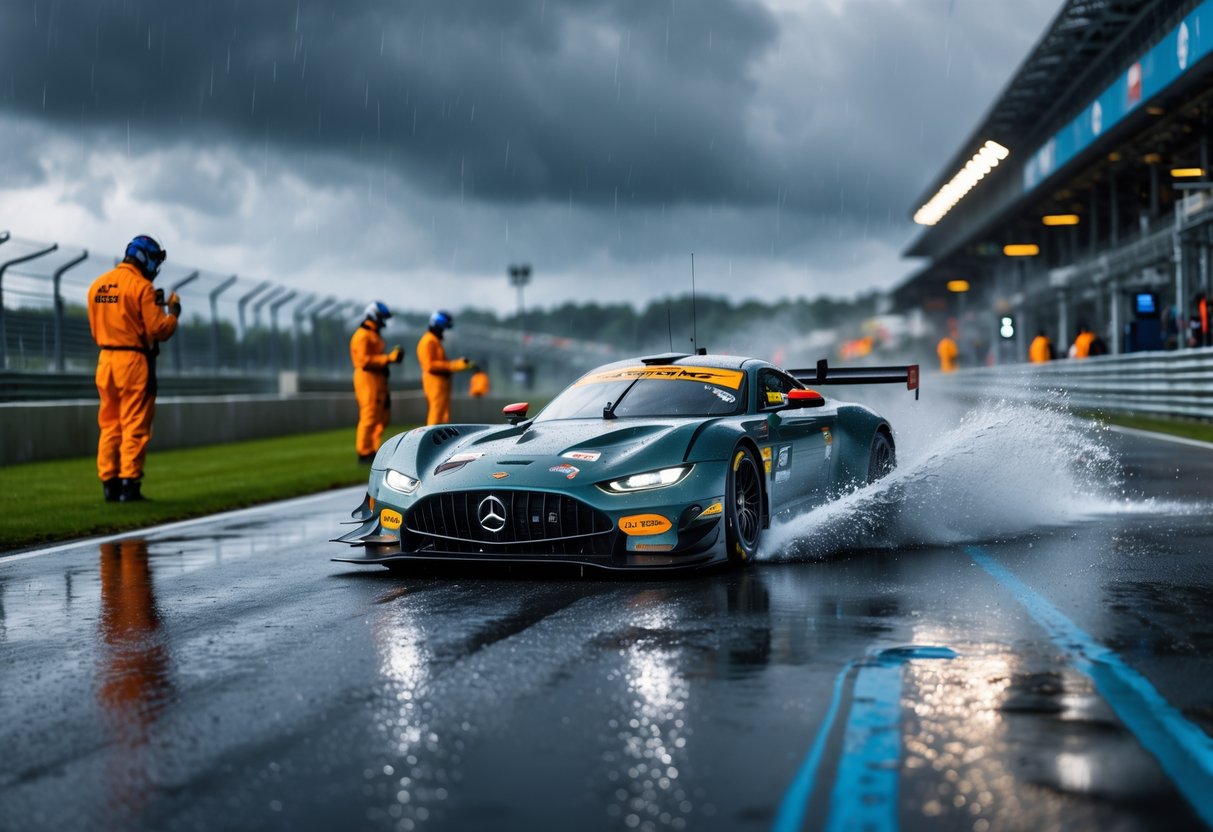
Racing teams must constantly adapt their strategies based on weather forecasts and real-time conditions, as weather impacts racing dynamics more than any other single factor in motorsports. A sunny morning can quickly turn into a wet afternoon, making the difference between using slick tires or switching to intermediates.
The most successful drivers and teams understand that weather creates opportunities as much as it creates challenges. Teams leverage advanced forecasting techniques to stay ahead of changing conditions, but even the best technology can’t predict every sudden downpour or temperature shift that changes everything in an instant.
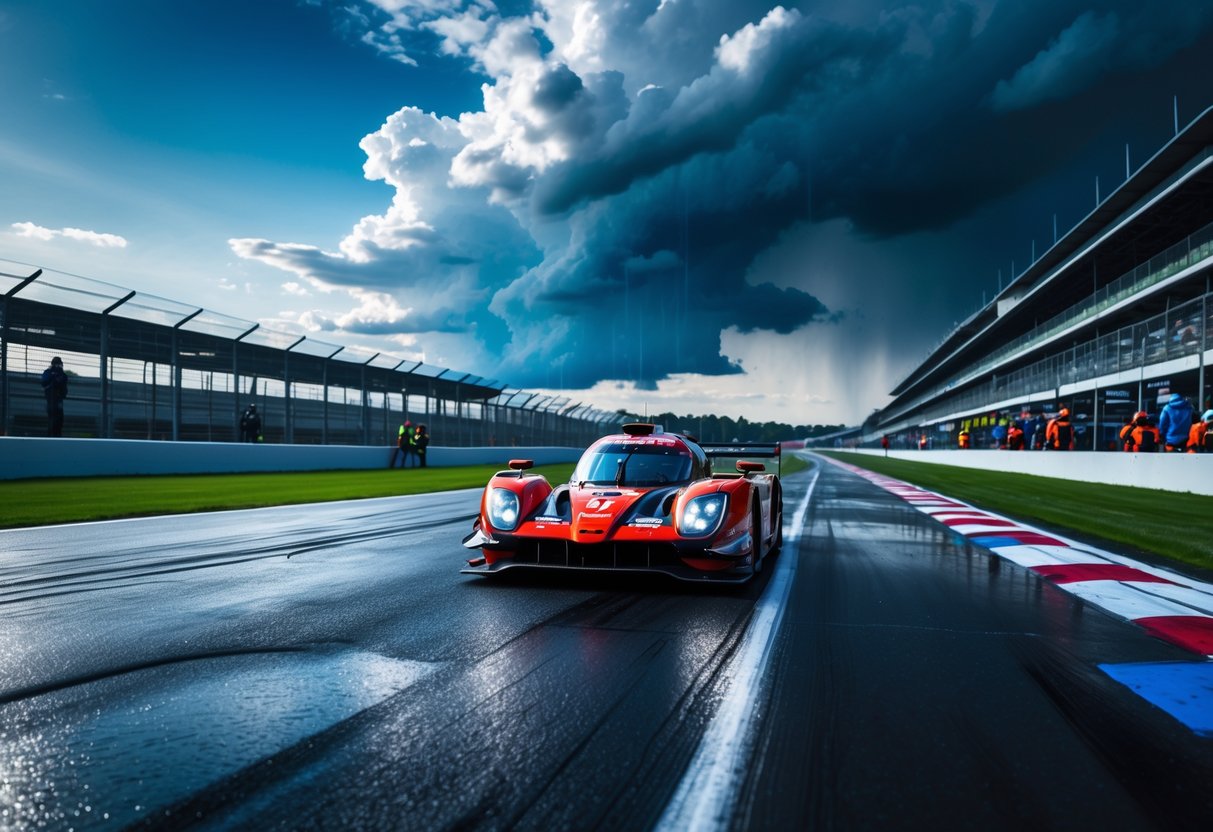
Weather conditions directly shape every aspect of race planning, from tire selection to pit stop timing. Teams must constantly monitor weather forecasts and track conditions to make split-second decisions that can determine race outcomes.
Rain transforms racing into an entirely different challenge. Rain acts as the great equalizer by reducing grip levels and forcing teams to switch tire strategies immediately.
Wet conditions require intermediate or full wet tires instead of slicks. This change affects lap times by 10-20 seconds per lap in heavy rain.
Temperature plays a crucial role in tire performance. Hot track surfaces cause tire overheating and faster degradation. Cold conditions prevent tires from reaching optimal operating temperatures.
Key Temperature Effects:
Wind affects aerodynamics and car stability. Strong gusts disrupt downforce, especially in high-speed corners where precise handling is critical.
Teams use advanced weather models to prepare multiple race strategies. They create contingency plans for dry, wet, and mixed conditions before each race weekend.
Real-time weather monitoring allows teams to adjust strategies during races. Engineers track radar data, temperature readings, and humidity levels every few minutes.
Pre-race simulation and preparation helps teams anticipate weather changes. They run computer models that test different scenarios and tire combinations.
Weather Planning Elements:
Teams maintain constant radio communication with drivers about changing conditions. This allows immediate strategy adjustments when weather shifts unexpectedly during races.
The timing of weather changes often determines race winners. Teams that predict rain arrival accurately can gain significant advantages through early tire changes.
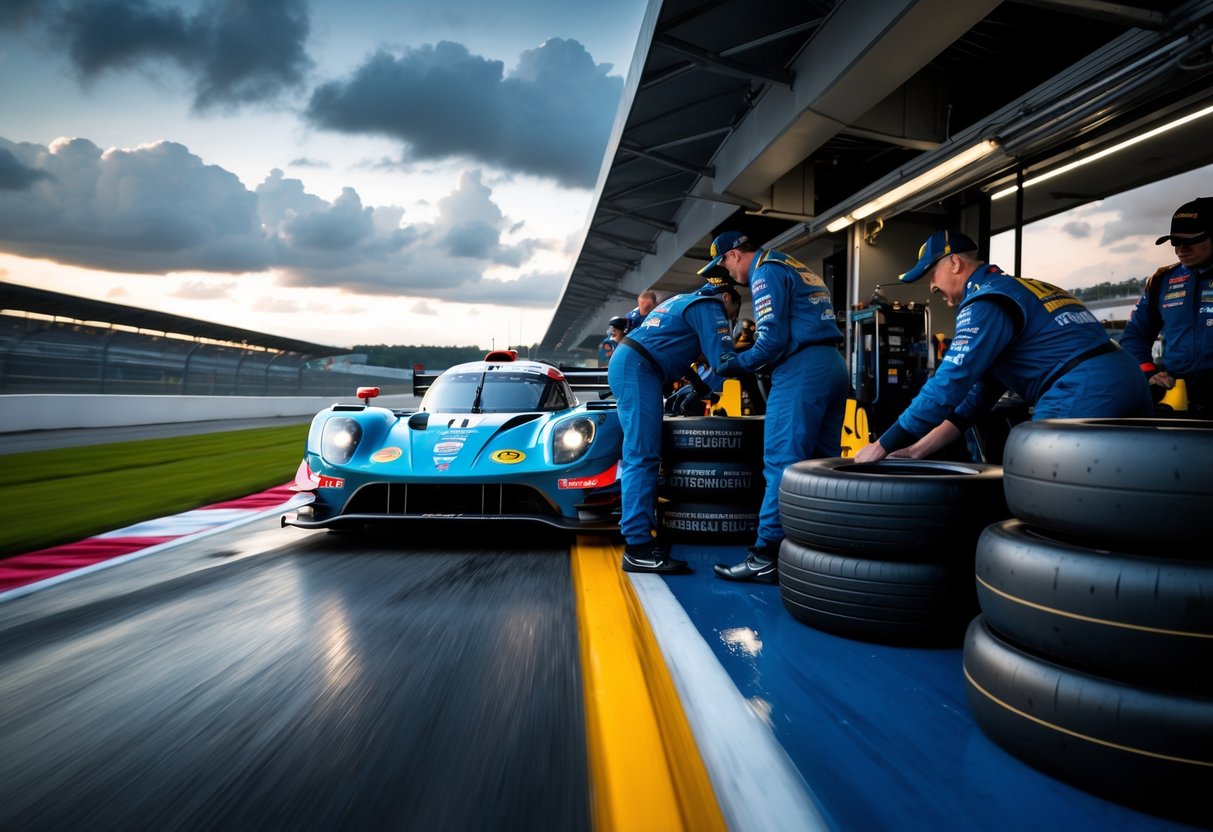
Teams must make split-second decisions about tire compounds and pressures as weather conditions shift throughout a race. The choice between slick and wet-weather compounds, along with pressure adjustments, can determine race outcomes when track conditions evolve rapidly.
F1 teams use Pirelli’s range of tires, including slicks for dry conditions and intermediates or wets for rain. Each tire type serves specific weather conditions and track states.
Slick tires work best on completely dry surfaces. They have no tread pattern, which maximizes contact with the track. This design provides the highest grip levels in dry conditions.
Intermediate tires handle damp or lightly wet tracks. They have shallow grooves that channel small amounts of water away from the contact patch. Teams use these when the track is too wet for slicks but not soaked enough for full wets.
Wet-weather tires feature deep grooves that disperse large amounts of water. They prevent hydroplaning in heavy rain conditions. The trade-off is reduced grip compared to other compounds once the track begins to dry.
Key tire characteristics:
Tire pressure and temperature directly affect grip levels and performance across all weather conditions. Teams constantly monitor these factors and make real-time adjustments.
Pressure changes occur naturally as weather shifts. Cold weather reduces tire pressure, while hot conditions increase it. Teams must account for these changes during pit stops.
Lower temperatures make it harder to heat tires to optimal working ranges. This creates grip issues, especially during the first few laps after a tire change. Drivers often weave or brake harder to generate heat.
Temperature management strategies include:
Hot weather creates the opposite problem. Tires can overheat quickly, leading to reduced grip and faster degradation. Teams may increase tire pressure slightly to manage this issue.
Weather conditions dramatically impact tire degradation rates, with rain and temperature changes affecting how quickly compounds lose performance. Understanding degradation patterns helps teams plan pit stop windows.
Hot weather accelerates degradation on all tire compounds. Softer compounds suffer more in high temperatures. This often forces teams to switch to harder compounds or plan additional pit stops.
Cool conditions slow degradation but can prevent tires from reaching optimal working temperatures. This creates a different challenge where grip never reaches maximum levels throughout a stint.
Wet conditions present unique degradation patterns. Intermediate tires wear quickly as tracks dry out. The transition from wet to dry creates the fastest degradation rates as rubber overheats on increasingly dry surfaces.
Degradation factors by weather:
Race strategy revolves around timing tire changes perfectly with weather transitions. Teams combine driver feedback with telemetry data to make these critical decisions.
Early switches to different compounds can provide advantages if weather changes quickly. However, this risks tire degradation if conditions remain stable longer than expected.
Late switches preserve track position but can cost significant time if grip levels drop suddenly. Teams must balance position against potential time losses.
Mixed conditions create the most complex strategic scenarios. Some drivers may stay on slicks while others switch to intermediates. The timing of these decisions often determines race results.
Strategic considerations include:
Teams that master tire strategy in changing weather often win races despite having slower overall pace. The 2021 Russian Grand Prix exemplified this when Lewis Hamilton’s late switch to intermediates secured victory as others struggled on slicks in deteriorating conditions.
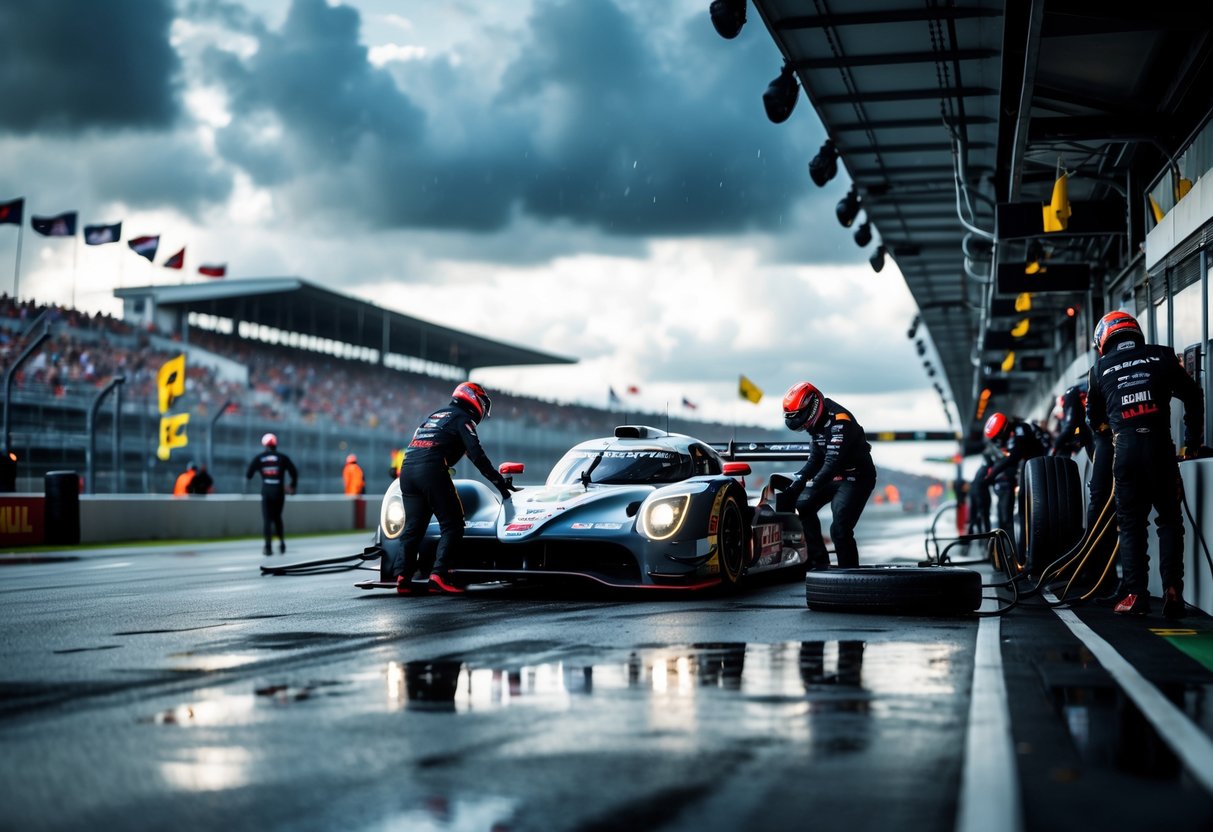
Weather conditions force racing teams to make split-second decisions about when to bring their drivers into the pit lane. Pit stop timing becomes crucial as teams balance tire performance with changing track conditions and unexpected safety car periods.
Teams use advanced weather forecasts to plan their pit stop windows before races begin. Light rain approaching in 15 minutes means different timing than heavy storms expected in an hour.
Dry to Wet Transitions:
Temperature Changes:
Hot track temperatures increase tire wear rates. Teams schedule more frequent pit stops to prevent tire degradation.
Cold conditions make tire warming difficult. Pit crews adjust tire pressures and heating procedures to help drivers maintain grip.
| Weather Condition | Typical Pit Strategy |
|---|---|
| Light rain starting | Pit immediately for intermediates |
| Heavy rain forecast | Wait for full wet tires |
| Rising temperatures | Add extra pit stop for tire management |
| Cooling track | Extend stint lengths |
Unexpected weather shifts test team reaction speeds and decision-making skills. Radio communication becomes critical as conditions change rapidly.
Rain cells can appear within minutes. Spotters positioned around the track report precipitation levels to race engineers. Teams with faster reactions gain significant advantages.
Swift strategy adjustments are essential when weather surprises everyone. Drivers provide real-time grip feedback to help engineers decide pit timing.
Quick Decision Factors:
Some teams gamble by staying out longer on wrong tires. This high-risk strategy pays off when weather changes again quickly.
Weather-related incidents often trigger safety car periods. These interventions create unexpected pit opportunities that smart teams exploit.
Safety cars bunch up the field and reduce pit stop time penalties. Teams can make “cheap” pit stops with minimal position loss.
Strategic Considerations:
Virtual safety cars also provide pit opportunities. Teams monitor competitor strategies while calculating their own optimal timing.
Weather-induced safety periods often shuffle race order completely. Teams that read conditions best and time their stops perfectly can gain multiple positions in single pit cycles.
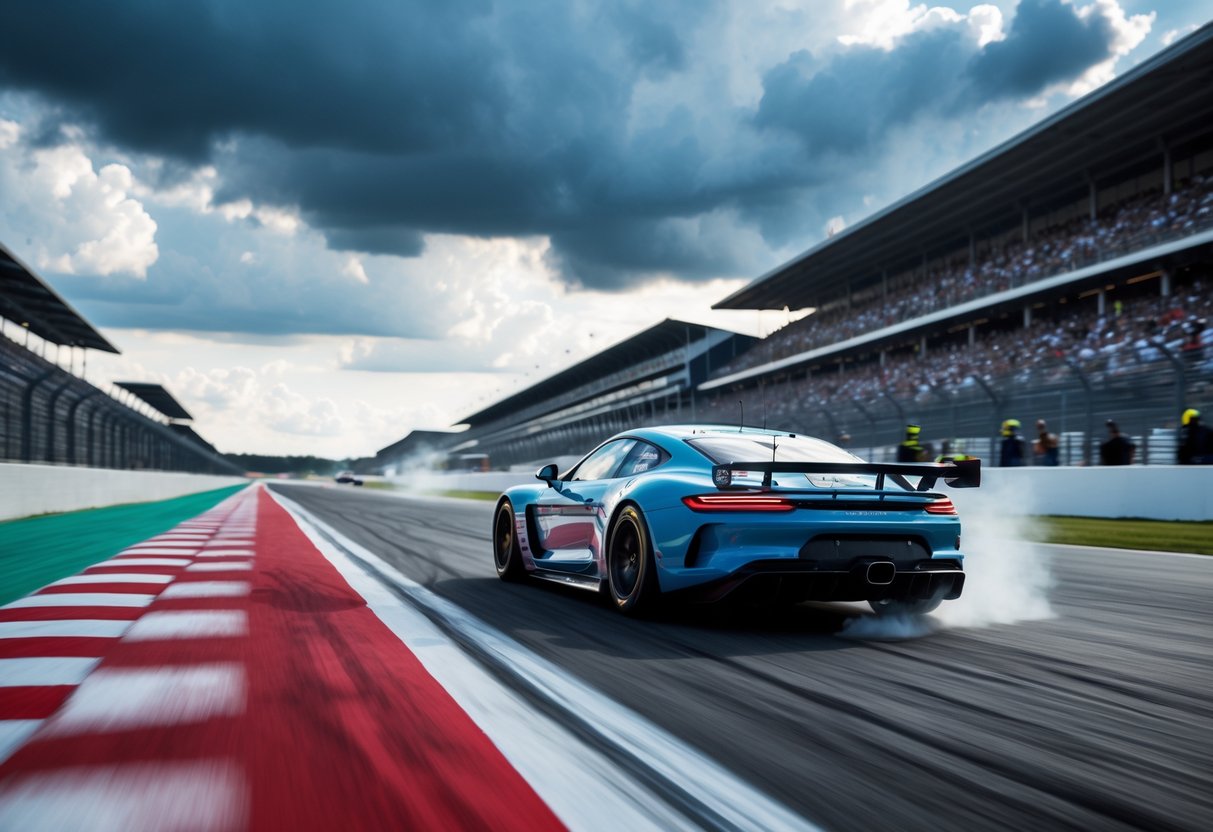
Track temperature directly affects tire grip and engine cooling systems. Racing teams must adapt their car setups and tire strategies when temperatures shift between practice sessions and race day.
Hot track conditions create different challenges than cold weather racing. Temperature significantly affects both tire grip and engine cooling systems.
Hot Weather Effects:
Cold conditions present opposite problems. Tires take longer to reach working temperature. Engines produce more power in dense, cool air.
Cold Weather Effects:
Teams monitor ambient and track temperatures constantly. Weather stations around the circuit provide real-time data for strategy decisions.
Tire degradation accelerates significantly in hot conditions. Teams must balance speed with tire preservation throughout the race.
Heat Management Techniques:
Tire temperature affects grip levels directly. Too hot and the rubber becomes greasy. Too cold and grip disappears completely.
Teams use infrared temperature guns to check tire temps. Data helps engineers understand how different compounds react to track conditions.
Critical Temperature Ranges:
Drivers adjust their technique based on tire temperatures. Gentle inputs help maintain optimal heat levels during long stints.
Race engineers modify car setups when temperatures change between sessions. Setup adjustments help optimize performance across varying temperature conditions.
Key Setup Changes:
Cooling systems require special attention during temperature swings. Teams add or remove radiator tape to control airflow.
Fuel mapping changes with temperature variations. Engines need different air-fuel ratios as air density changes throughout the day.
Temperature-Based Adjustments:
| Hot Conditions | Cold Conditions |
|---|---|
| Increase cooling capacity | Reduce cooling openings |
| Soften suspension | Stiffen suspension |
| Lower tire pressures | Raise tire pressures |
| Lean fuel mixture | Richen fuel mixture |
Teams practice setup changes during free practice sessions. This preparation helps them react quickly to unexpected temperature shifts on race day.
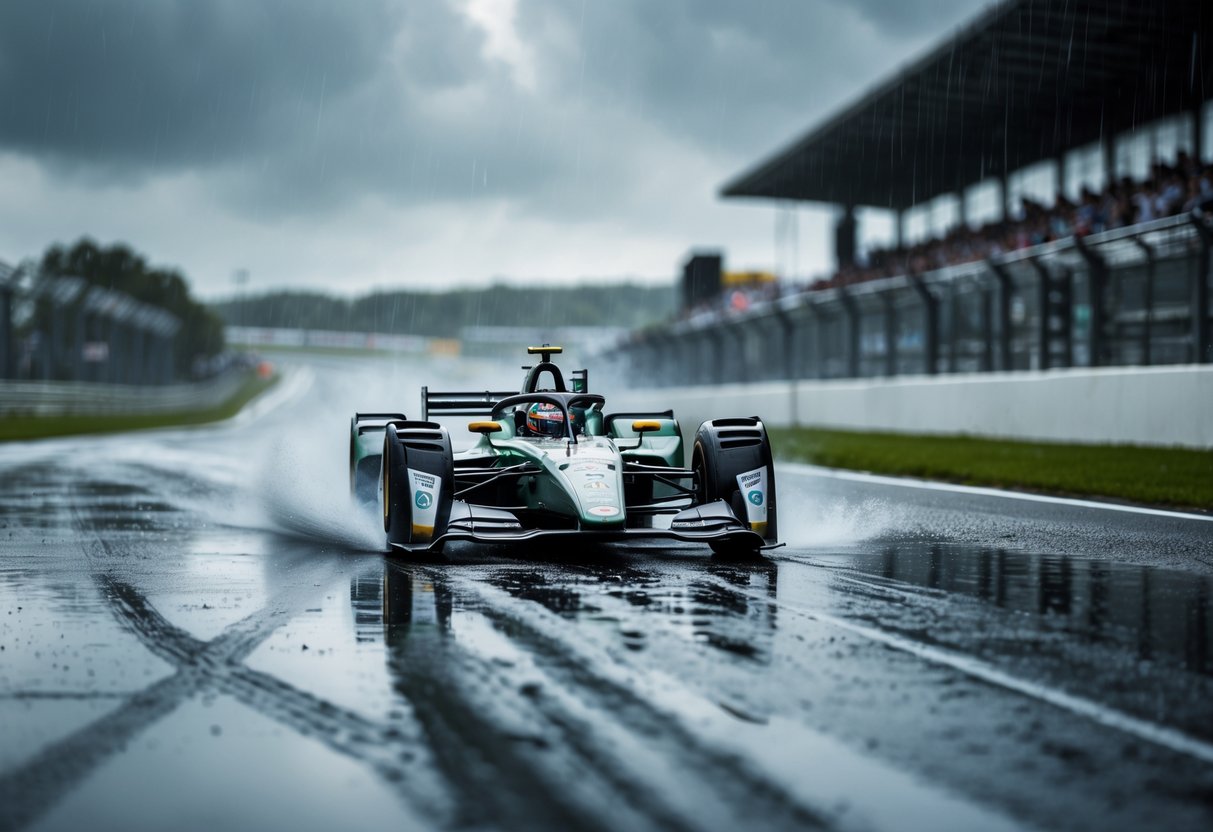
Rain transforms racing tracks into treacherous surfaces where drivers must combat reduced traction, manage hydroplaning risks, and adapt their racing lines. Teams face critical decisions about tire selection while drivers struggle with limited visibility and rely heavily on clear communication with their pit crews.
Hydroplaning occurs when water builds up between tires and track surface, causing complete loss of contact with the asphalt. This dangerous condition typically happens in low-lying areas where water pools or on heavily cambered corners.
Racing teams must identify these high-risk zones before sessions begin. Drivers learn to avoid standing water by moving off the traditional racing line. The normal path around the track often becomes the most dangerous route in wet conditions.
Key hydroplaning risk factors:
Drivers adapt by taking wider lines through corners. They search for areas with better drainage or less water accumulation. This strategy often means sacrificing the fastest dry line for a safer wet-weather path.
Track surface evolution becomes critical as rain washes away rubber buildup. The cleaned surface offers different grip levels than drivers expect from practice sessions.
Tire choice becomes the most important strategic decision in wet conditions. Teams must balance grip, durability, and changing track conditions when selecting compounds.
Wet-weather tire types:
| Tire Type | Best Conditions | Tread Pattern |
|---|---|---|
| Full wets | Heavy rain | Deep grooves |
| Intermediates | Light rain/drying | Moderate grooves |
| Slicks | Dry conditions | No grooves |
Tire selection decisions often determine race outcomes. Teams monitor weather radar to predict when conditions will change. A poorly timed tire change can cost multiple positions.
Full wet tires feature deep grooves that channel water away from the contact patch. These tires work best in heavy rain but overheat quickly as tracks dry. Intermediate tires handle mixed conditions but struggle in heavy downpours.
Temperature affects wet tire performance significantly. Cold conditions make tires harder and less effective at generating heat. Teams adjust tire pressures to compensate for temperature changes throughout the race.
Rain creates severe visibility problems that force drivers to rely heavily on their teams. Spray from other cars can completely obscure the track ahead, making it impossible to see braking zones or corner apexes.
Drivers must trust their pit crews for critical information about track conditions. Teams relay updates about grip levels, standing water locations, and when other drivers are making tire changes. This communication helps drivers make split-second decisions.
Critical communication points:
Reduced visibility forces drivers to increase following distances. They cannot brake as late or carry as much speed through corners. Some drivers excel in these conditions by developing better feel for grip limits.
Radio communication becomes more frequent during wet sessions. Engineers provide constant updates about changing conditions while drivers report what they feel through the car. This teamwork approach helps navigate the most challenging racing conditions.

Wind affects car stability and aerodynamic performance, especially in high-speed sections where downforce becomes critical. Teams must adjust suspension settings, wing angles, and driving lines when facing crosswinds, headwinds, or severe weather conditions.
Wind impacts a car’s stability and performance by changing how air flows over the vehicle. Headwinds increase downforce but reduce straight-line speed. This helps with cornering grip but hurts acceleration on long straights.
Tailwinds reduce aerodynamic grip and make cars harder to control. Drivers must brake earlier and take different racing lines through corners. The reduced downforce makes the car feel loose and unstable.
Crosswinds create the biggest challenge for drivers and engineers. Side winds push cars toward track edges and make steering unpredictable. High-speed corners become especially dangerous when crosswinds suddenly change direction.
Teams monitor wind speed and direction throughout practice sessions. They test different wing settings to find the best balance between straight-line speed and cornering stability.
Engineers modify suspension settings when wind speeds exceed 15 mph. Stiffer springs and dampers help control unwanted car movement. Anti-roll bars get adjusted to prevent the car from rolling too much in crosswinds.
Wing angles need careful adjustment based on wind conditions. More rear wing creates stability but costs speed on straights. Front wing changes affect how the car turns into corners.
| Wind Type | Setup Change | Effect |
|---|---|---|
| Headwind | Reduce rear wing | Better straight speed |
| Tailwind | Increase rear wing | More stability |
| Crosswind | Adjust suspension | Better control |
Tire pressure changes help drivers maintain grip in windy conditions. Lower pressures increase the contact patch but generate more heat. Teams balance grip needs with tire wear concerns.
Severe thunderstorms force race officials to stop or delay events. Rain and wind create unique challenges that require complete strategy changes. Teams prepare multiple backup plans before each race weekend.
Pit stop timing becomes critical during extreme weather. Teams use weather radar to predict when conditions will worsen. Early pit stops can gain positions if teams guess correctly about incoming storms.
Driver safety takes priority when winds exceed 30 mph or visibility drops below safe levels. Race control can red flag sessions until conditions improve. This creates strategic opportunities for teams willing to take calculated risks.
Weather profoundly influences racing dynamics and forces teams to adapt quickly. Communication between drivers and pit crews becomes essential during rapidly changing conditions.
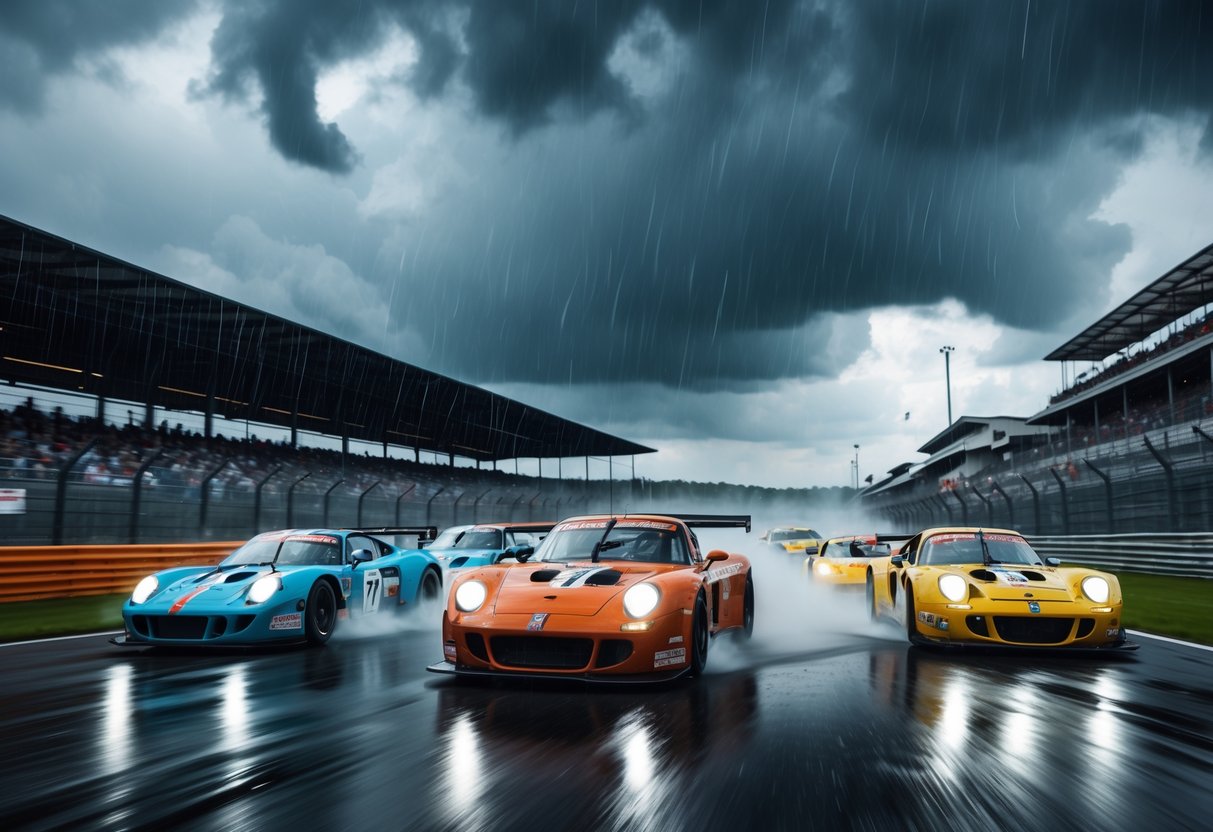
Weather conditions have created some of the most memorable moments in racing history, with drivers like Jenson Button showcasing exceptional adaptability. Strategic tire choices and quick thinking have turned potential disasters into championship-defining victories.
The 2008 Brazilian Grand Prix stands out as one of the most dramatic weather-influenced finishes in Formula 1 history. Lewis Hamilton secured his first championship by making crucial tire changes as conditions shifted from dry to wet.
Rain transformed the final laps into chaos. Hamilton dropped to sixth place but recovered when he switched to intermediate tires at the perfect moment. He passed Timo Glock on the final corner to claim fifth place and the championship.
The 2020 Turkish Grand Prix demonstrated how cold and wet conditions can completely shuffle the field. Hamilton started sixth but managed his intermediate tires perfectly throughout the race.
Most drivers struggled with grip on the slippery Istanbul surface. Hamilton stayed out longer than his competitors while others made multiple tire changes. His patience and tire management strategy delivered a commanding victory.
Ayrton Senna earned his reputation as the “Rain Master” through multiple exceptional performances in wet conditions. His 1984 Monaco Grand Prix drive remains legendary, where he gained over 20 seconds per lap on established drivers.
The Brazilian’s ability to find grip where others couldn’t set him apart. He won six races in wet weather during his career, more than any other driver of his era.
Michael Schumacher also excelled in challenging conditions. His 1996 Spanish Grand Prix victory showcased perfect timing with tire changes as the track dried.
Schumacher made strategic decisions that his competitors missed. He switched from wet tires to slicks at exactly the right moment, gaining crucial track position.
Max Verstappen’s 2016 Brazilian Grand Prix performance highlighted modern wet-weather excellence. The young driver carved through the field in treacherous conditions, nearly winning his first race.
The 2011 Canadian Grand Prix represents the ultimate example of weather adaptation and strategic brilliance. Jenson Button’s victory required six pit stops and perfect timing across changing conditions.
Button started the race poorly and fell to last place after early incidents. Heavy rain caused multiple safety car periods, creating opportunities for strategic tire changes.
Key Strategic Decisions:
The race lasted over four hours due to weather delays. Button’s team made critical tire choices that kept him competitive as conditions changed from wet to dry to wet again.
Button’s final stint showcased exceptional racecraft. He passed Sebastian Vettel for the lead with four laps remaining, capitalizing on fresher tires and superior grip in damp conditions.
This victory demonstrated how drivers and teams must adapt their strategies in real-time. Button’s success came from reading the weather patterns and making bold decisions when others hesitated.
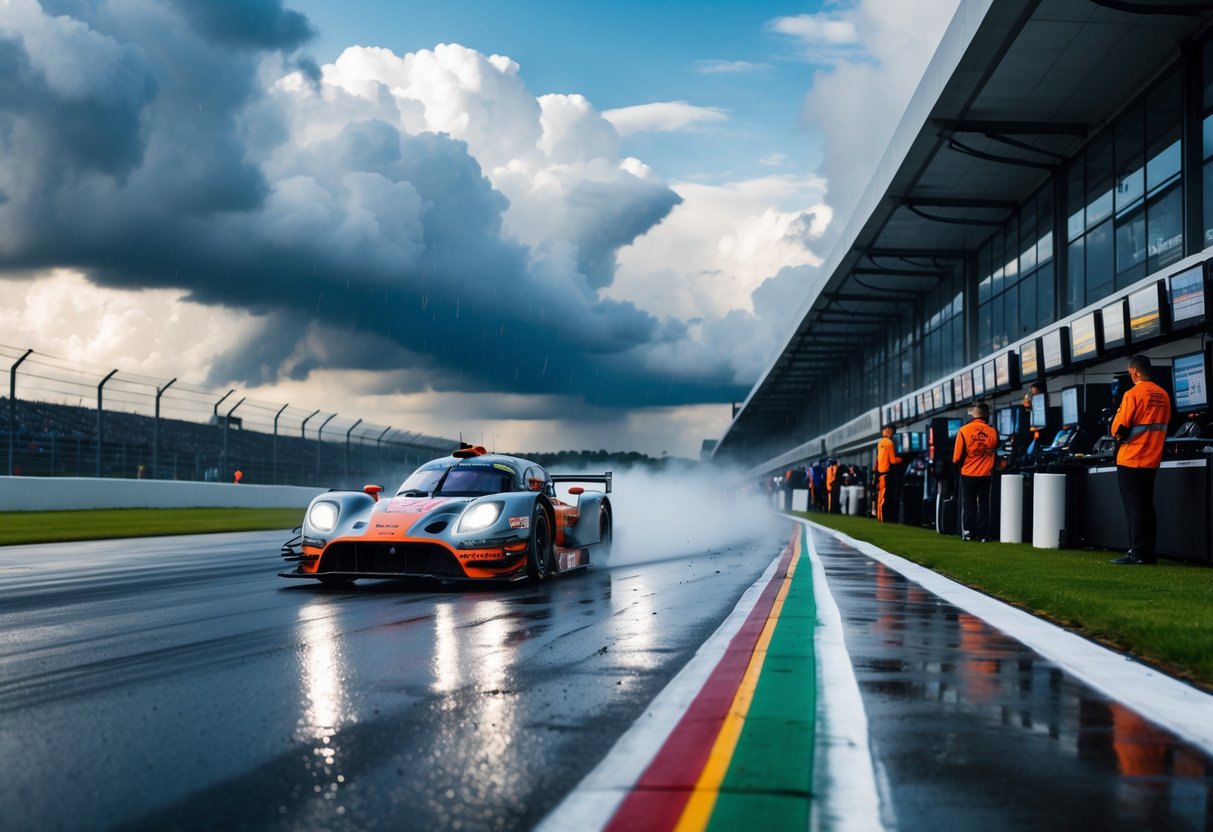
Racing teams face complex decisions when weather changes during events. These choices affect everything from tire compounds and fuel loads to driving styles and pit timing.
Teams adjust wing angles and downforce settings when weather changes. Higher downforce helps cars grip wet tracks better but reduces straight-line speed on dry surfaces.
Suspension settings get modified for different conditions. Softer setups work better in rain because they help tires maintain contact with slippery surfaces.
Brake balance shifts toward the rear wheels in wet conditions. This prevents front wheel lockup on slippery tracks and gives drivers better control.
Teams also change gear ratios based on expected track conditions. Shorter ratios help with acceleration out of corners on wet tracks.
Rain forces teams to switch from dry compound tires to wet weather tires. These special tires have deep grooves that channel water away from the contact patch.
Intermediate tires work best on damp tracks that are drying out. Full wet tires are needed when standing water covers the racing surface.
Pit stop timing becomes critical during changing weather. Teams must decide when to switch tire types based on weather forecasting data and real-time track conditions.
Multiple pit stops often happen during rain events. Teams may change tires several times as track conditions shift from wet to dry or vice versa.
Hot weather reduces air density, which decreases engine power output. Cooler air contains more oxygen molecules that help engines produce more horsepower.
High temperatures cause engines to run hotter and risk overheating. Teams must balance cooling needs with aerodynamic efficiency to maintain performance.
Cold weather makes tires harder to warm up to optimal operating temperatures. Drivers need more laps to get their tires working properly in cool conditions.
Temperature affects aerodynamic performance too. Hot air provides less downforce than cool air, changing how cars handle through corners.
Rain often leads to slower lap times and more cautious driving. This reduced pace can improve fuel economy and extend stint lengths.
Yellow flags and safety car periods during weather events help save fuel. Cars run at slower speeds during these periods, using less gas per lap.
Teams calculate fuel loads based on expected weather conditions. Weather impacts everything from fuel consumption rates to race strategy.
Aggressive driving in wet conditions burns more fuel. Drivers who spin their wheels or brake hard use extra gas compared to smooth drivers.
Wet track driving requires smoother inputs on the steering wheel, brakes, and throttle. Sudden movements cause cars to lose grip and spin.
Drivers take different racing lines in the rain. They avoid painted lines, manhole covers, and other slippery surfaces that become dangerous when wet.
Braking distances increase dramatically on wet tracks. Drivers must start braking much earlier for corners compared to dry conditions.
Throttle application becomes more gradual in wet weather. Drivers need to ease onto the gas pedal to avoid wheel spin coming out of turns.
Teams study historical weather data and maintain close communication with pit crews for real-time updates. Advanced forecasting helps predict when conditions might change during a race.
Weather radar shows approaching rain systems and their intensity. Teams use this data to time pit stops and tire changes perfectly.
Temperature forecasts affect setup decisions made before the race starts. Teams adjust suspension and aerodynamic settings based on expected conditions.
Wind direction and speed predictions influence fuel calculations and driving strategies. Headwinds on long straights increase fuel consumption compared to tailwinds.