How to Change Tires and Why It’s Important: A Comprehensive Guide to Tire Types and Seasonal Maintenance
Tires are the only part of your car that touches the road, making them crucial for safety and performance. They come in several types, each…


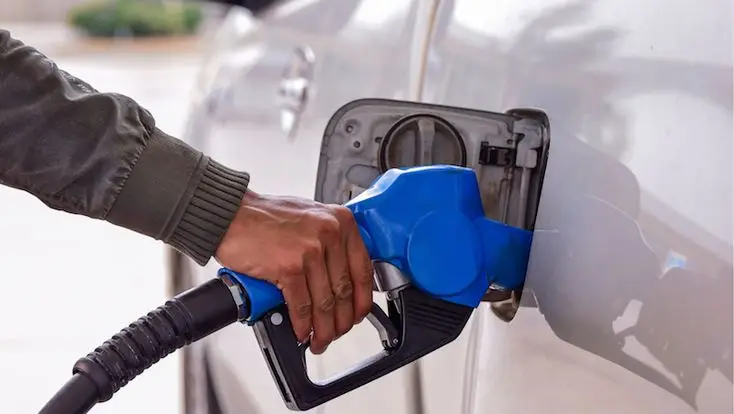
Filling up your car with fuel is something most drivers do routinely, but not all fuels are created equal. Quality fuel meets strict standards that ensure your engine runs efficiently and produces fewer emissions. Using high-quality fuel promotes better engine performance, improves fuel economy, and can significantly extend the life of your vehicle’s engine components.
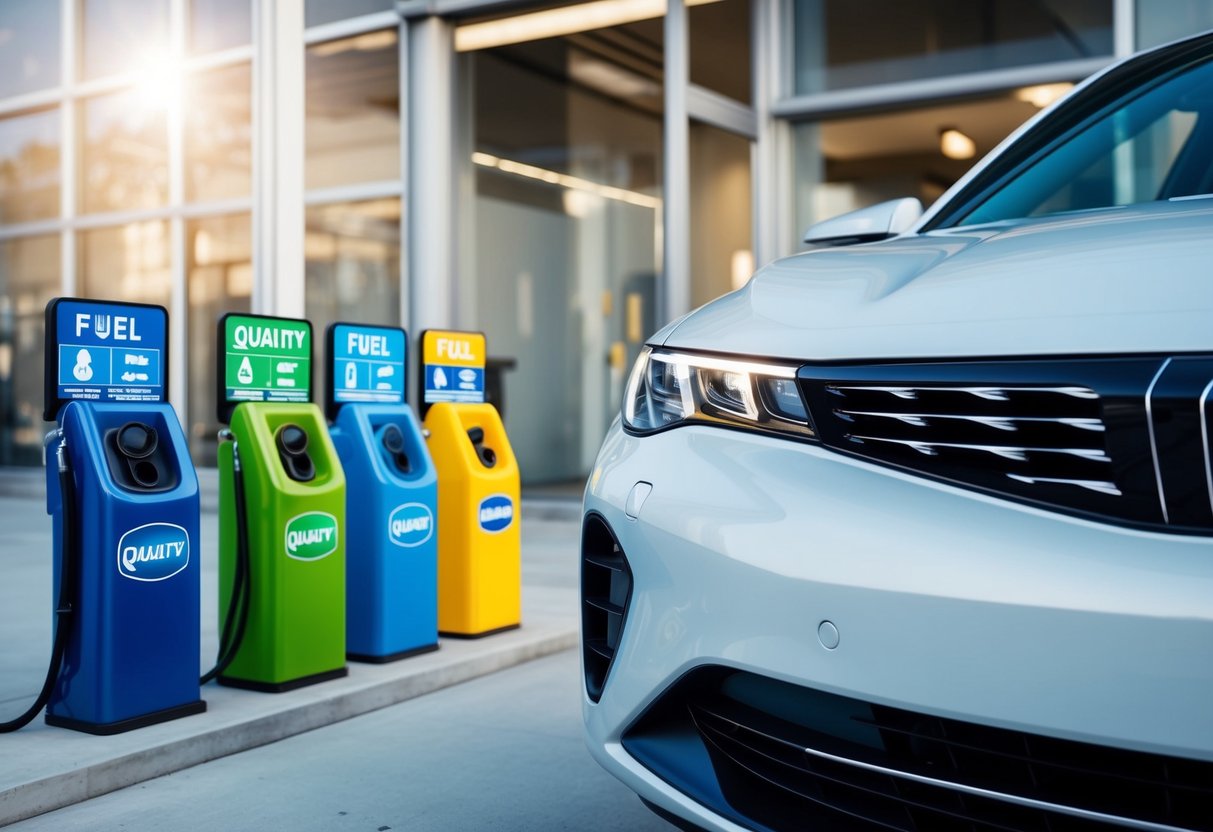
The type of fuel you choose matters more than you might think. From regular unleaded to premium grades and alternative options like diesel or biofuels, each variety offers different benefits. Higher quality fuels contain fewer impurities, which allows for cleaner combustion and smoother acceleration. Some premium fuels even include special additives that help clean your engine as you drive, removing harmful deposits that can affect performance over time.
Fuel quality significantly impacts engine performance, efficiency, and longevity. The cleanliness and chemical properties of fuel directly affect how well your vehicle runs and its maintenance needs.
Quality fuel is characterized by several key attributes. First, it has the proper octane rating for your specific engine type, which prevents knocking and ensures smooth combustion. High-quality fuel contains fewer impurities and contaminants that could damage engine components.
Water content is minimal in quality fuel, reducing the risk of freezing in cold weather and preventing corrosion in fuel systems. The presence of detergent additives helps clean fuel injectors and intake valves, maintaining optimal fuel atomization.
Quality fuel also has appropriate volatility – it vaporizes correctly at different temperatures to ensure proper starting and performance. The energy content (BTU value) should be consistent, providing reliable power output in various driving conditions.
Modern engines are precision machines with tighter tolerances and more complex fuel delivery systems than older models. High-quality fuel allows for smoother operation and better fuel economy while reducing wear on crucial components.
Direct injection systems, common in today’s vehicles, are particularly sensitive to fuel quality. Contaminants can quickly clog injector nozzles, which operate at extremely high pressures and have microscopic openings.
Quality fuel results in cleaner and more efficient combustion, producing fewer emissions and helping vehicles meet strict environmental regulations. This improved combustion process also leads to better acceleration and overall drivability.
Poor quality fuel can cause carbon deposits to form on valves and pistons, reducing compression and requiring expensive repairs. Regular use of quality fuel is essentially preventative maintenance for your engine.
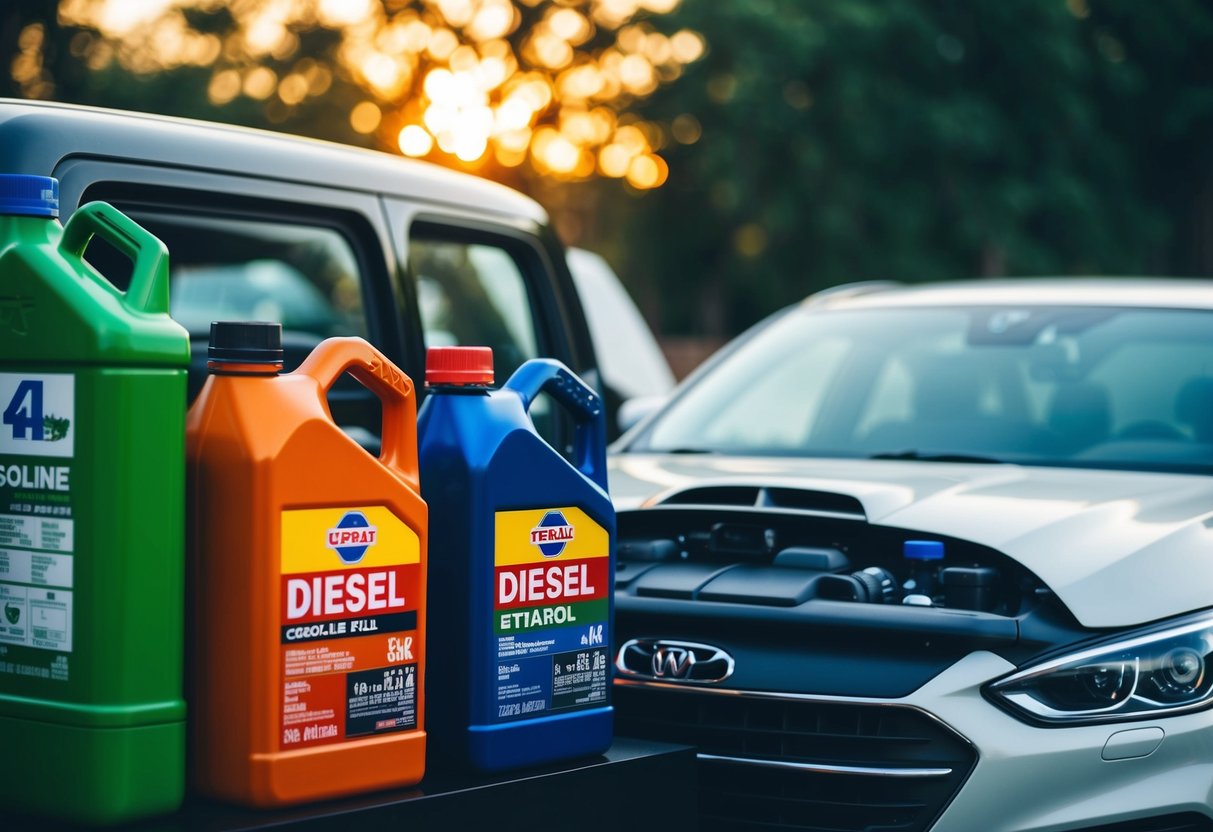
Cars run on several different fuel types, each with unique properties that affect engine performance, efficiency, and environmental impact. The right fuel choice depends on your vehicle’s engine design and your specific needs.
Gasoline is the most common fuel for passenger vehicles in many countries. It works by igniting when compressed and sparked in gas engines. The quality of gasoline is measured by its octane rating, which indicates how well it resists “knocking” or premature detonation.
Most gas stations offer three octane levels:
The octane rating is determined using RON (Research Octane Number) and MON (Motor Octane Number) tests. Higher octane fuels provide better ignition and combustion qualities, which can improve performance in high-compression engines.
Using the manufacturer’s recommended octane level is important. Higher octane doesn’t benefit engines not designed for it, while using too low an octane can damage high-performance engines.
Diesel fuel powers diesel engines through compression ignition rather than spark ignition. Unlike gasoline, diesel ignites when compressed to high pressure without needing a spark.
Diesel’s key advantages include:
Diesel quality is measured by its cetane number (similar to octane in gasoline). Higher cetane numbers indicate better ignition quality and smoother engine operation. Modern diesel fuels also contain less sulfur than in the past, reducing environmental impact.
Diesel engines typically last longer than gasoline engines and perform better for hauling heavy loads, making them popular for trucks and commercial vehicles.
Several alternative fuels have emerged as options for today’s vehicles:
Biodiesel: Made from vegetable oils or animal fats, biodiesel can be used in standard diesel engines with minimal modifications. It produces fewer emissions than petroleum diesel.
Ethanol: An alcohol-based renewable fuel made from plant materials. E85 (85% ethanol, 15% gasoline) requires specific flex-fuel vehicles.
Compressed Natural Gas (CNG): Burns cleaner than gasoline or diesel, producing fewer harmful emissions. Requires specialized fuel systems and tanks.
Electricity: Powers battery electric vehicles with zero tailpipe emissions. Range and charging infrastructure continue to improve.
Hydrogen: Used in fuel cell vehicles to produce electricity with water as the only emission. Still limited by infrastructure challenges.
Each alternative fuel has advantages and drawbacks, including different environmental impacts, availability, and vehicle compatibility.

Quality fuel provides several important benefits for your vehicle. Using premium or high-grade fuel can significantly impact how your car runs, how efficiently it uses fuel, and how long the engine lasts.
High-quality fuel contains fewer impurities, which leads to a cleaner and more efficient combustion process. This directly translates to smoother acceleration and improved overall performance when driving. Vehicles respond better to driver input and maintain consistent power delivery.
Premium fuels have higher octane ratings that prevent engine knocking – the premature ignition of fuel that creates that distinctive pinging sound. When engine knocking is eliminated, the engine runs more smoothly and delivers power more effectively.
For turbocharged vehicles, the benefits are even more pronounced. Premium fuel ensures a smooth combustion process that supports the additional demands placed on these high-performance engines.
Vehicles with higher compression ratios specifically designed for premium fuel will experience reduced hesitation and improved throttle response when the correct fuel type is used.
Quality fuel burns more cleanly and completely in the combustion chamber. This more complete burn means less fuel is wasted, improving overall fuel economy.
Modern vehicles with advanced fuel injection systems benefit greatly from quality fuels. The precision components work best with fuels that contain effective detergent additives that keep injectors clean.
Over time, the improved combustion efficiency from quality fuel translates to measurable savings at the pump. Though premium fuel costs more per gallon, some vehicles will travel farther on each tank, offsetting part of the higher price.
Reduced carbon deposits from cleaner-burning fuel help maintain optimal fuel delivery systems. This prevents the gradual loss of efficiency that occurs when fuel systems become contaminated.
One of the most significant benefits of quality fuel is engine longevity. Clean-burning premium fuels reduce carbon buildup on critical engine components like valves, pistons, and combustion chambers.
High-octane premium gas prevents knocking and reduces harmful buildup, helping to prevent engine damage. This translates directly to savings on potentially expensive repairs over the vehicle’s lifetime.
Quality fuels typically contain additional detergents and cleaning agents that help keep fuel systems clean. These additives remove existing deposits and prevent new ones from forming in the fuel lines, injectors, and valves.
For turbocharged engines, using the recommended premium fuel is particularly important. It helps prevent damage to sensitive components that operate under high pressure and temperature conditions.
Quality fuel plays a vital role in maintaining engine health and reducing overall maintenance costs. The right fuel choice can prevent common engine problems and extend your vehicle’s life significantly.
Engine knocking occurs when fuel ignites unevenly in the combustion chamber, creating a pinging sound and potential damage. High-quality fuel burns more completely, reducing the risk of knocking and ensuring smoother operation.
Premium fuels typically contain higher octane ratings that resist pre-ignition better than standard options. This resistance is crucial for modern engines with higher compression ratios.
Vehicles with turbocharged or high-performance engines benefit most from quality fuels, as these engines are particularly susceptible to knocking damage. Regular use of appropriate octane fuel helps maintain optimal timing and prevents long-term engine wear.
Quality fuels contain essential detergents and additives that keep critical engine components clean. These additives prevent carbon buildup on valves, pistons, and combustion chambers.
Fuel injectors particularly benefit from clean-burning fuels. When injectors become clogged with deposits, they deliver uneven spray patterns that lead to poor combustion and increased emissions.
Higher quality fuel works better and ignites quicker, protecting vital engine components. This improved combustion reduces harmful deposits that can damage:
Regular use of quality fuel helps maintain these components’ proper function and extends their operational life.
Investing in quality fuel often translates directly to reduced maintenance expenses over time. Engines running on superior fuel require fewer repairs and component replacements.
Clean-burning fuels minimize carbon deposits that lead to expensive maintenance issues. This means fewer fuel system cleanings and injector replacements, which can cost hundreds of dollars.
Repair statistics show that vehicles consistently using quality fuels experience:
The small premium paid for higher quality fuel is typically offset by these maintenance savings. Most mechanics agree that preventing damage through quality fuel use is more economical than repairing damage after it occurs.

Using quality fuel in your vehicle provides significant advantages beyond just improved engine performance. The right fuel choices can dramatically impact both our planet and your wallet in positive ways.
Quality fuels burn more completely and efficiently in engines, which directly reduces harmful emissions. Modern premium fuels contain additives that help clean fuel injectors and intake valves, resulting in fewer carbon deposits and cleaner combustion.
Alternative fuels show even greater environmental benefits. Electric vehicles produce zero tailpipe emissions, while biofuels can reduce greenhouse gas emissions by 20-60% compared to conventional gasoline.
High-octane premium fuels help engines operate at peak efficiency, especially in vehicles with advanced technologies like turbochargers and direct injection. This optimization means fewer pollutants released into the atmosphere.
Even within conventional fuel types, the cleanest options can achieve 14% lower fuel consumption compared to average fuels, directly translating to reduced carbon emissions.
While premium fuels may cost more at the pump, they often deliver superior value through improved efficiency and engine protection. Vehicles running on quality fuel typically achieve better mileage, stretching each dollar further.
Using alternative fuels like electricity can dramatically reduce operating costs. Electric vehicles cost 50-70% less to operate per mile than gasoline vehicles, with fewer maintenance requirements.
Quality fuels with cleaning additives prevent carbon buildup that can lead to expensive repairs. This protection extends engine life and maintains performance, avoiding costly component replacements.
Cost Comparison: Regular vs. Premium Fuel
| Consideration | Regular Fuel | Premium/Quality Fuel |
|---|---|---|
| Initial Cost | Lower | Higher |
| Fuel Economy | Standard | Improved 5-10% |
| Engine Repairs | More frequent | Less frequent |
| Vehicle Lifespan | Standard | Extended |
Many drivers find the long-term savings from reduced maintenance and better efficiency easily offset the higher initial cost of quality fuels.
The fuel you choose directly affects how your car performs on the road. Different fuel types create distinct driving experiences through variations in power delivery, acceleration, and engine response.
Higher octane fuels provide better throttle response and smoother acceleration in vehicles designed for them. Premium fuels with higher octane ratings resist knocking and pre-ignition, allowing for more precise engine timing and improved performance.
Lower quality fuels may cause hesitation during acceleration, especially in high-performance vehicles. This can result in a less satisfying driving experience with noticeable power lags.
Diesel vehicles deliver strong torque at low RPMs, creating confident acceleration from stops and excellent pulling power. This makes them ideal for towing and carrying heavy loads.
Alternative fuels like ethanol blends may provide different power curves. E85, for example, can deliver more power in properly tuned engines but may require more frequent refueling due to lower energy density.
Always follow manufacturer recommendations for fuel type. Using the correct octane rating prevents engine knocking and ensures optimal performance.
High-compression engines typically require premium fuels. Using regular fuel in these vehicles may trigger the engine computer to adjust timing, resulting in reduced power and efficiency.
Modern vehicles have sensors that can detect fuel quality and adjust accordingly. However, consistent use of the recommended fuel type helps maintain optimal performance over time.
Consider your driving needs when choosing between fuel types. Highway drivers may benefit from the efficiency of diesel, while city drivers might prefer the responsive nature of gasoline engines.
Mid-grade fuels offer a compromise between cost and performance for vehicles that don’t strictly require premium but benefit from slightly higher octane levels.
Quality fuel plays a crucial role in engine performance, longevity, and environmental impact. Understanding how different fuel types affect your automobile can help you make informed decisions about what to put in your tank.
Higher-grade gasoline offers several key advantages for modern engines. These fuels contain higher octane levels that enable more efficient combustion and enhanced overall engine performance.
They help prevent premature detonation in the combustion chamber, which can damage engine components over time. Modern engines with higher compression ratios often require these premium fuels to operate as designed.
Higher-grade fuels typically contain more effective detergents and cleaners that help remove carbon deposits from fuel injectors, intake valves, and combustion chambers. This cleaning action helps maintain optimal engine performance and efficiency.
Fuel additives serve multiple purposes in enhancing engine performance and extending its lifespan. They often contain detergents that clean fuel injectors and intake valves, preventing power loss and maintaining fuel economy.
Anti-corrosion additives protect metal components in the fuel system from moisture and contaminants. This protection is particularly important for vehicles that sit unused for extended periods.
Stability enhancers in quality additives prevent fuel degradation during storage, ensuring consistent performance. Lubricating additives reduce friction in upper engine components, potentially extending engine life and improving efficiency.
Premium fuels significantly reduce engine knocking due to their higher octane ratings. Higher octane fuel resists pre-ignition under pressure, allowing for proper combustion timing in the engine cycle.
This resistance to knocking is especially important in turbocharged and high-compression engines. These engines create more heat and pressure, making them more susceptible to knocking with lower-quality fuels.
Premium fuels ignite more readily upon injection into the combustion chamber, resulting in smoother operation. The consistent combustion patterns help eliminate the pinging sounds associated with poor-quality fuel.
Higher quality fuels produce fewer harmful emissions during combustion. The more complete burning process results in reduced carbon monoxide, nitrogen oxides, and unburned hydrocarbons.
These fuels often contain lower levels of sulfur and other contaminants. When burned, they release fewer particulates into the atmosphere, helping to improve air quality in urban areas.
Quality fuels contribute to better fuel economy, which means less consumption overall. This efficiency translates to a smaller carbon footprint per mile driven compared to using lower-quality alternatives.
Quality fuel can significantly reduce carbon deposits throughout the engine. Fewer deposits mean intake valves, fuel injectors, and combustion chambers remain cleaner longer, potentially extending service intervals.
Lower-quality fuels may accelerate the need for fuel system cleaning services. These services become necessary when performance deteriorates due to clogged injectors or carbon-fouled valves.
Premium fuels can help protect equipment and reduce wear on critical engine components. This protection may translate to fewer repairs and lower maintenance costs over the vehicle’s lifetime.
Quality fuel oils enhance combustion efficiency, extracting more energy from each drop of fuel. This improved combustion directly translates to better mileage and performance in daily driving conditions.
Higher-grade fuels maintain engine cleanliness, preventing power-robbing deposits. Clean fuel injectors deliver precise spray patterns, ensuring optimal fuel-air mixture for maximum efficiency.
Quality fuels with proper additives reduce internal friction in the engine. Less friction means more of the engine’s power reaches the wheels instead of being lost as heat, improving overall vehicle efficiency.