How Motorcycle Aerodynamics Evolved: From Early Designs to Modern Racing
Motorcycles have changed dramatically since their early days, and one of the biggest improvements has come from better aerodynamics. Early…



Motorcycles have changed dramatically since they first appeared in the late 1800s as simple motorized bicycles. Each decade brought new design trends shaped by technology, culture, and what riders wanted from their bikes. Early models focused only on basic function, but over time motorcycles became symbols of freedom, rebellion, and personal style.

The story of motorcycle design reflects broader changes in society. After World War II, bikes became sleeker and faster as manufacturers competed for attention. The 1960s brought Japanese innovation with lighter, more powerful engines. By the 1970s and 1980s, riders wanted bikes that showed off their personality through custom paint and unique modifications.
Today’s motorcycles blend advanced technology with environmental awareness. Electric motors are replacing traditional engines. Digital displays and smart features are now standard on many models. Design trends continue to shift as manufacturers balance performance, comfort, sustainability, and style to meet the needs of modern riders.
The earliest motorcycles established design principles that still influence modern bikes today. These machines started as motorized bicycles and quickly developed into purpose-built vehicles with distinct characteristics shaped by practical needs and manufacturing limitations.
The first motorcycles in the 1880s and 1890s were bicycles with small engines attached to their frames. The Daimler Reitwagen from 1885 featured wooden wheels and a basic structure that barely resembled what riders recognize today. Manufacturers mounted small engines onto existing bicycle frames because this approach required minimal new engineering.
By the early 1900s, designers began creating frames specifically for motorized use. These early machines used single-cylinder engines that produced minimal power. The frames were made from steel tubing, and most models featured direct belt drives to transfer power to the rear wheel.
The design focused entirely on making the engine work reliably. Suspension systems were basic or nonexistent. Riders sat on simple leather saddles positioned above the engine.
Early motorcycle design prioritized function over appearance. Manufacturers used exposed engines because they were easier to maintain and repair. Fuel tanks sat high on the frame for gravity-fed fuel delivery to carburetors.
Classic motorcycles from the 1900s through 1940s shared common features:
The Harley-Davidson WLA, produced during World War II, demonstrated this functional approach. It featured a rugged V-twin engine mounted in a straightforward frame. The design emphasized reliability and ease of repair in field conditions.
Harley-Davidson and Indian Motorcycle emerged as dominant American manufacturers in the early 1900s. These brands established the V-twin engine configuration as a standard for larger motorcycles. The V-twin design provided more power than single-cylinder engines while maintaining a compact layout.
British manufacturers like Triumph developed parallel-twin engines that influenced motorcycle design for decades. The Triumph Bonneville, introduced in 1959, refined this engine layout with a 650cc parallel-twin that balanced performance with manageable size.
Each motorcycle brand developed distinct styling elements during this period. Harley-Davidson became known for its larger, heavier cruiser style. British brands favored lighter, more nimble designs suited to their winding roads.
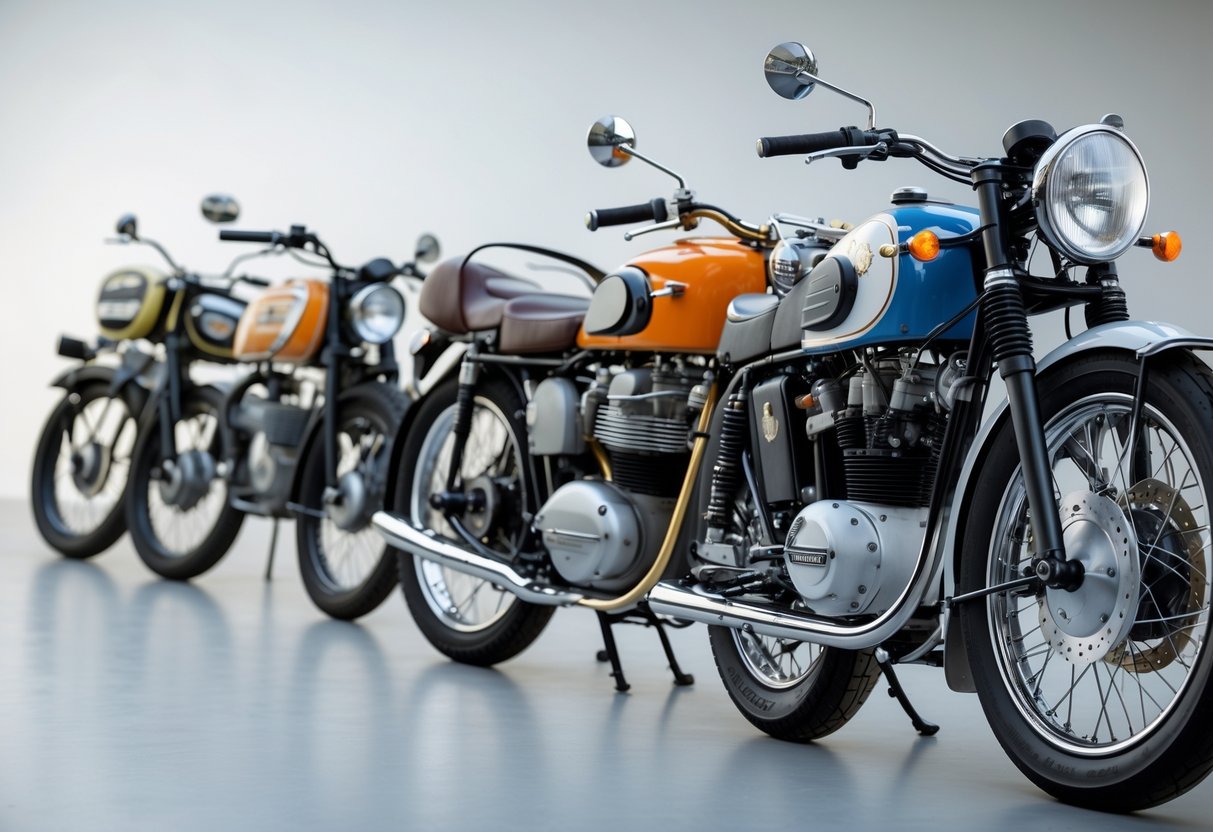
World War II transformed motorcycle manufacturing forever, bringing major technical improvements and creating a cultural shift that made motorcycles symbols of freedom and rebellion. The decades following the war introduced sleeker designs, better engines, and bikes that became cultural icons.
Military needs during World War II pushed manufacturers to build tougher, more reliable motorcycles. The Harley-Davidson WLA became one of the most produced military bikes, with over 90,000 units built for Allied forces. These machines needed to handle rough terrain, carry heavy loads, and run in harsh conditions.
The war taught manufacturers valuable lessons about durability and engine performance. Companies learned to use better metals and improved welding techniques. They also developed more efficient engines that could run longer without maintenance.
When soldiers returned home, they brought their riding skills and love for motorcycles with them. Manufacturers adapted military designs for civilian use, creating bikes that were both reliable and affordable. The production methods developed during wartime allowed companies to make motorcycles faster and cheaper than before.
Motorcycles became powerful symbols of freedom and independence in the 1950s and 1960s. Films like The Wild One showed motorcycles as tools of rebellion, attracting young riders who wanted to break from traditional values.
Motorcycle culture grew rapidly during this period. Riders formed clubs and created their own styles of dress and behavior. The leather jacket became standard gear, mixing safety with a tough image.
Cruisers gained popularity as riders wanted comfortable bikes for long highway trips. These motorcycles featured laid-back seating positions, wide handlebars, and large engines. The café racer movement emerged in Britain, where riders modified their bikes for speed and stripped away extra weight to race between coffee shops.
Several motorcycles defined the Golden Age through groundbreaking design and performance. The Triumph Bonneville, launched in 1959, combined British engineering with a clean, minimal look. Its 650cc parallel-twin engine delivered strong performance while maintaining reliability.
The Honda CB750 arrived in 1969 as the world’s first superbike. It featured an inline-four engine, disc brakes, and electric starting. This bike set new standards for engine performance and showed that Japanese manufacturers could compete with established brands.
| Model | Year | Key Features |
|---|---|---|
| Harley-Davidson Knucklehead | 1936 | V-twin engine, streamlined design |
| Triumph Bonneville | 1959 | 650cc twin, lightweight frame |
| Honda CB750 | 1969 | Four-cylinder engine, disc brakes |
American manufacturers focused on building larger cruisers with powerful engines. These bikes emphasized comfort and style over pure speed, appealing to riders who wanted presence on the road.
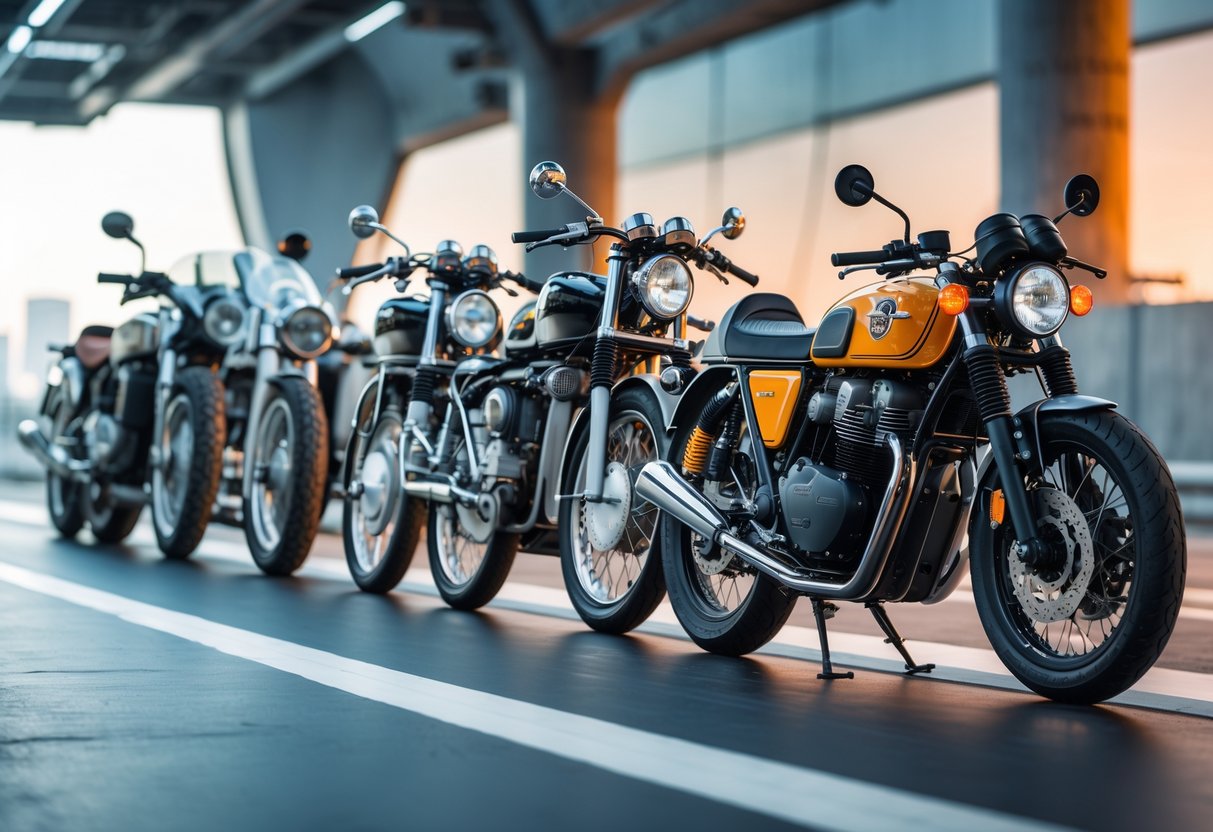
The 1980s and 1990s transformed motorcycles into sophisticated performance machines through aerodynamic sportbike designs, revolutionary lightweight materials like aluminum and carbon fiber, and electronic safety systems including ABS and traction control that fundamentally changed how riders interact with their bikes.
Japanese manufacturers sparked an intense competition in the 1980s by marketing “race bikes for the street” that prioritized speed and handling. Plastic fairings became standard equipment on sportbikes, reducing wind resistance and allowing higher top speeds. The aerodynamic focus intensified during the 1990s speed wars, where manufacturers competed to build the fastest production motorcycle.
Kawasaki’s ZZR1100 set early benchmarks before Suzuki introduced the legendary Hayabusa, which reached 194 mph and became the ultimate symbol of the era’s performance obsession. Yamaha contributed with its R1 series, which combined aggressive styling with track-focused geometry. These bikes featured full fairings that channeled airflow efficiently, clip-on handlebars that reduced rider drag, and compact designs that minimized frontal area.
The sportbike aesthetic defined the decade with sharp angles, bold graphics, and racing-inspired color schemes. Wind tunnel testing became standard practice for manufacturers chasing performance metrics. This design philosophy established templates that modern sportbikes still follow today.
Manufacturers embraced aluminum and advanced composites to reduce weight without sacrificing strength. Aluminum frames replaced traditional steel tube construction, offering better power-to-weight ratios and improved handling characteristics. High-performance models incorporated carbon fiber components for bodywork, fenders, and even structural elements.
The shift to lightweight materials directly improved acceleration, braking distances, and cornering capabilities. Suspension systems evolved with these changes, featuring inverted forks and adjustable monoshock rear setups that provided better feedback and control. Honda’s Pro-Link suspension system demonstrated how engineering advances complemented material improvements.
Wheel technology progressed as manufacturers adopted lightweight alloy designs that reduced unsprung weight. Engine components also benefited from advanced materials, with pistons and connecting rods using specialized alloys that withstood higher stresses while weighing less.
BMW pioneered motorcycle ABS technology in 1988 on its K100 series, preventing wheel lockup during hard braking. This electronic safety feature gradually spread across the industry as riders recognized its value in emergency situations.
Electronic Fuel Injection replaced carburetors, providing precise fuel delivery that improved reliability and performance. Early traction control systems emerged to help riders manage power delivery, though these systems remained primitive compared to modern versions. The Ducati Panigale would later showcase how advanced electronics could enhance both safety and performance.
These electronic aids represented a fundamental shift from purely mechanical motorcycles to electronically managed machines. Sensors and processors began monitoring wheel speed, throttle position, and engine parameters. The integration of electronics laid groundwork for the sophisticated rider assistance systems that would appear in subsequent decades.
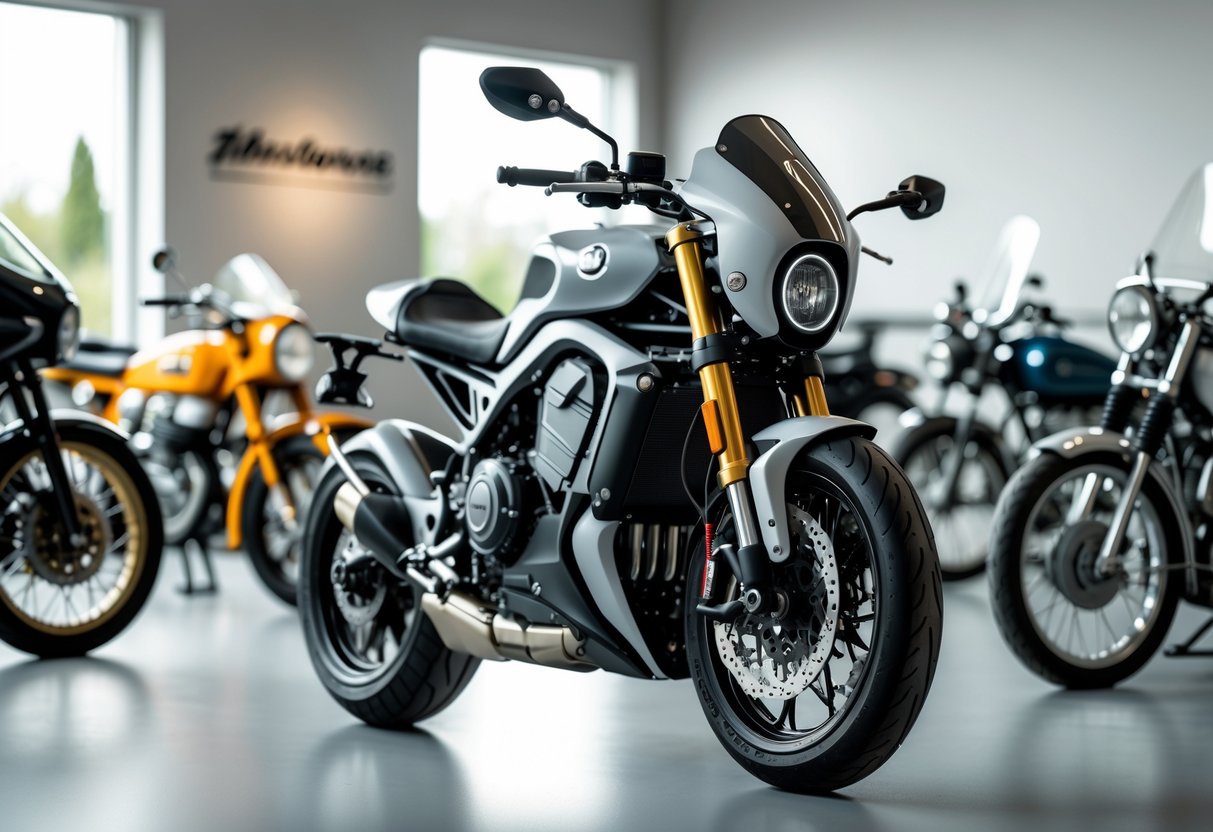
Motorcycles evolved beyond simple transportation to become powerful symbols of personal identity and cultural expression. Distinct subcultures emerged around specific design aesthetics, while manufacturers responded with unprecedented variety in body styles and performance characteristics.
The café racer movement originated in 1950s and 1960s Britain, where young riders stripped down their bikes for speed and performance. They removed unnecessary parts, added low handlebars, and created machines designed for quick sprints between cafés. This minimalist aesthetic emphasized function over comfort.
Choppers took the opposite approach. American riders extended front forks, removed excess weight, and created radical custom builds that prioritized style and individuality. The 1969 film Easy Rider transformed choppers from niche customs into cultural icons that represented freedom and rebellion.
Both styles demonstrated how riders used motorcycles as canvases for self-expression. These subcultures influenced motorcycle manufacturers to recognize that riders wanted more than standard factory offerings. The café racer aesthetic particularly experienced renewed popularity in the 2000s and 2010s, as manufacturers like Triumph and Ducati introduced modern interpretations of the classic style.
Motorcycle manufacturers abandoned the one-size-fits-all approach in the 1980s and 1990s. They developed distinct categories to serve specific rider preferences and lifestyles.
Cruisers featured low seats, relaxed riding positions, and V-twin engines that appealed to riders seeking comfortable, stylish machines for casual riding. Naked bikes stripped away fairings to expose the engine and frame, offering lighter weight and a more visceral riding experience. Sport bikes emphasized aerodynamics and performance, while adventure bikes combined on-road capability with off-road versatility.
This segmentation allowed riders to choose motorcycles that matched their intended use and personal style. Manufacturers recognized that motorcycle culture had diversified far beyond basic transportation needs, with each category attracting its own dedicated community of enthusiasts.
The custom motorcycle movement exploded as aftermarket parts became widely available. Riders modified everything from exhaust systems and suspension to paint schemes and seat designs. This accessibility transformed personalization from specialized craft to mainstream practice.
Modern customization extends beyond mechanical modifications. Riders now integrate digital tools and 3D printing to create unique components. They blend vintage aesthetics with modern technology, building café racers with fuel injection or choppers with advanced braking systems.
Motorcycle manufacturers adapted by offering factory custom programs and releasing models with easily modified platforms. Some brands established custom divisions that collaborated directly with builders. This shift acknowledged that many riders viewed their motorcycles as ongoing projects rather than finished products, with personalization serving as a key aspect of motorcycle ownership and culture.
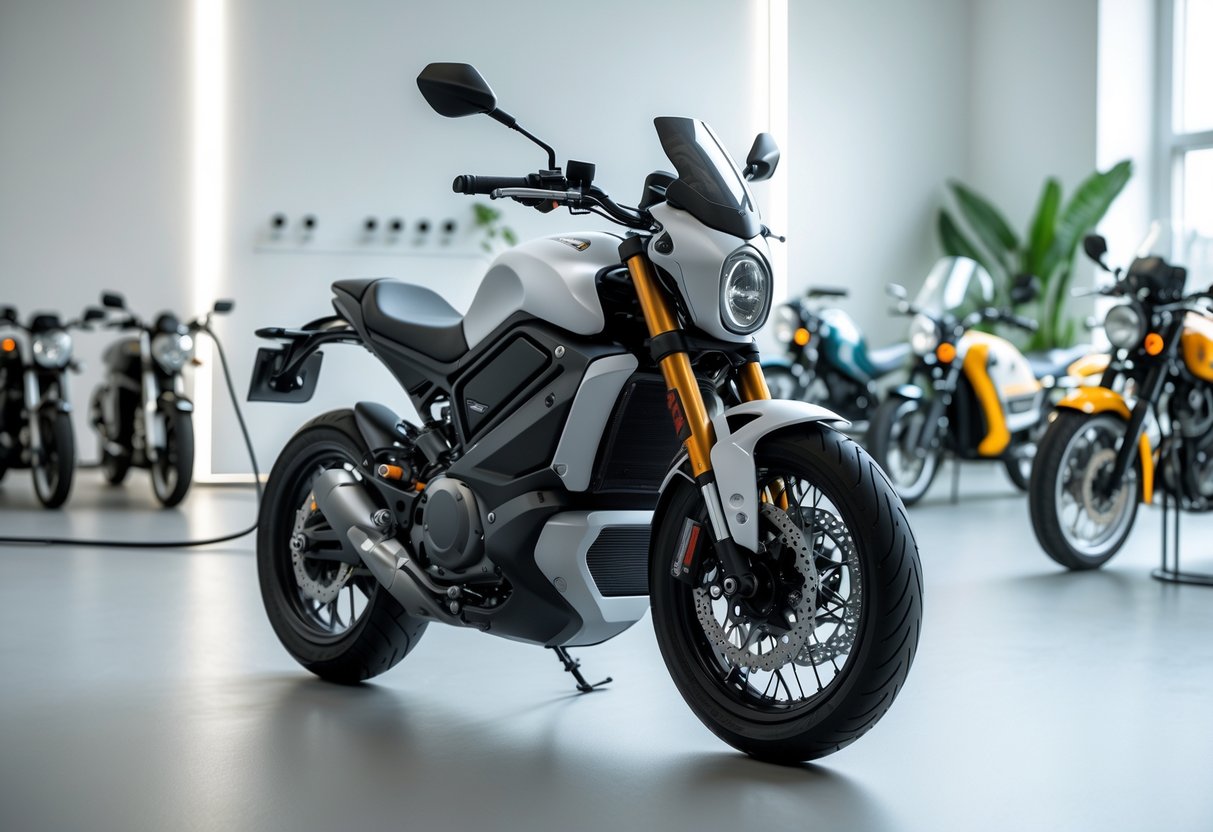
Modern motorcycles now blend advanced electronics with environmental responsibility. Manufacturers focus on electric powertrains, smart features, and eco-friendly materials to meet changing rider needs.
Smart connectivity has transformed how riders interact with their motorcycles. Modern motorcycles include GPS navigation systems that provide real-time traffic updates and route planning. Riders can connect their phones to display important information directly on the bike’s dashboard.
Fuel injection systems have replaced carburetors in most modern bikes. These systems improve efficiency and reduce emissions while providing better throttle response. Sensors throughout the motorcycle monitor engine performance, tire pressure, and other vital functions.
Advanced safety features now come standard on many models. Anti-lock braking systems prevent wheel lockup during hard stops. Traction control helps maintain grip on slippery surfaces. Some bikes include collision warning systems that alert riders to potential dangers.
Key Electronic Features:
Electric motorcycles have moved from concept to reality. Battery technology improvements allow for longer ranges and faster charging times. Many electric models now travel over 100 miles on a single charge.
Urban riders appreciate the quiet operation and low maintenance requirements of electric bikes. They produce zero emissions at the point of use, making them ideal for city environments. Charging stations continue to expand in metropolitan areas.
Major manufacturers now offer electric models alongside traditional combustion engines. Performance has improved significantly, with some electric motorcycles matching or exceeding the acceleration of gas-powered bikes. The lower operating costs appeal to commuters and environmentally conscious riders.
Environmental awareness has pushed manufacturers to rethink their materials and processes. Sustainable materials like recycled aluminum and biodegradable composites now appear in motorcycle construction. These materials reduce the carbon footprint without sacrificing strength or durability.
Manufacturers design bikes with modular components that simplify repairs and upgrades. This approach extends the motorcycle’s lifespan and reduces waste. Recyclable metals replace traditional materials where possible.
Paint processes use water-based formulas that release fewer volatile organic compounds. Production facilities implement energy-efficient manufacturing methods. Environmental consciousness extends beyond the bike itself to packaging and shipping materials. Some companies offset their carbon emissions through various environmental programs.
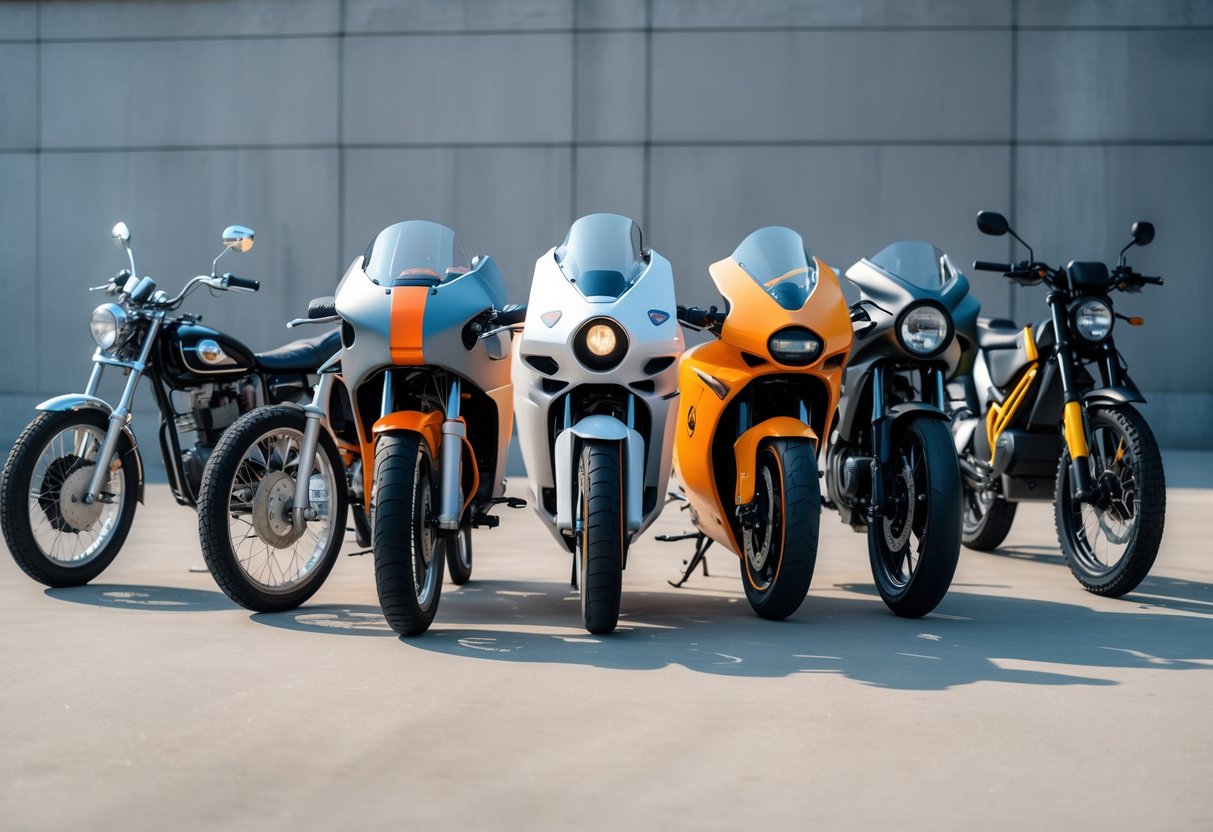
Certain manufacturers have shaped motorcycle history through bold innovations and iconic designs. Harley-Davidson, Ducati, and Triumph built lasting legacies, while Japanese brands revolutionized the industry with reliability and technology.
Harley-Davidson established itself as an American icon through distinctive V-twin engines and cruiser styling. The brand’s design philosophy emphasized chrome details, low-slung seats, and rumbling exhaust notes that became instantly recognizable.
Ducati carved out its niche with Italian engineering and racing heritage. The company focused on performance-oriented designs featuring the signature L-twin engine. The Ducati Panigale represents modern sportbike excellence with cutting-edge electronics and aggressive styling that pushes design boundaries.
Triumph returned to prominence by reviving classic designs for modern riders. The Triumph Bonneville bridged past and present by keeping 1960s café racer charm while adding contemporary reliability. This approach resonated with both nostalgic enthusiasts and younger riders discovering retro aesthetics.
These three brands maintained distinct identities while adapting to changing markets. Each company influenced countless other manufacturers through their design choices and brand positioning.
Honda transformed motorcycling with the CB750 in 1969. This bike introduced the first mass-produced inline-four engine with an electric starter and front disc brake. The CB750 set new standards for reliability and performance that competitors rushed to match.
Suzuki, Kawasaki, and Yamaha followed with their own innovations. These manufacturers brought affordable, dependable motorcycles to global markets. Japanese brands emphasized engineering precision and consistent quality control.
The four companies competed intensely across all categories. They developed sport bikes, touring models, dirt bikes, and street machines. This competition drove rapid technological advancement and made motorcycles accessible to broader audiences.
Japanese manufacturers also pioneered new styling directions. They moved from copying European designs to creating distinct aesthetics that defined modern motorcycle appearance.
Current influential models blend technology with rider experience. Sport bikes now feature traction control, riding modes, and cornering ABS as standard equipment. Adventure bikes have grown into a dominant category with versatile designs for both pavement and dirt.
Electric motorcycles are emerging as serious contenders. Manufacturers are developing designs that work with electric powertrains rather than simply converting existing models. This shift is creating new visual languages in motorcycle design.
Retro-modern bikes continue gaining popularity across brands. These machines combine classic styling cues with current technology and safety features. The trend demonstrates that riders value both heritage and innovation in their motorcycles.
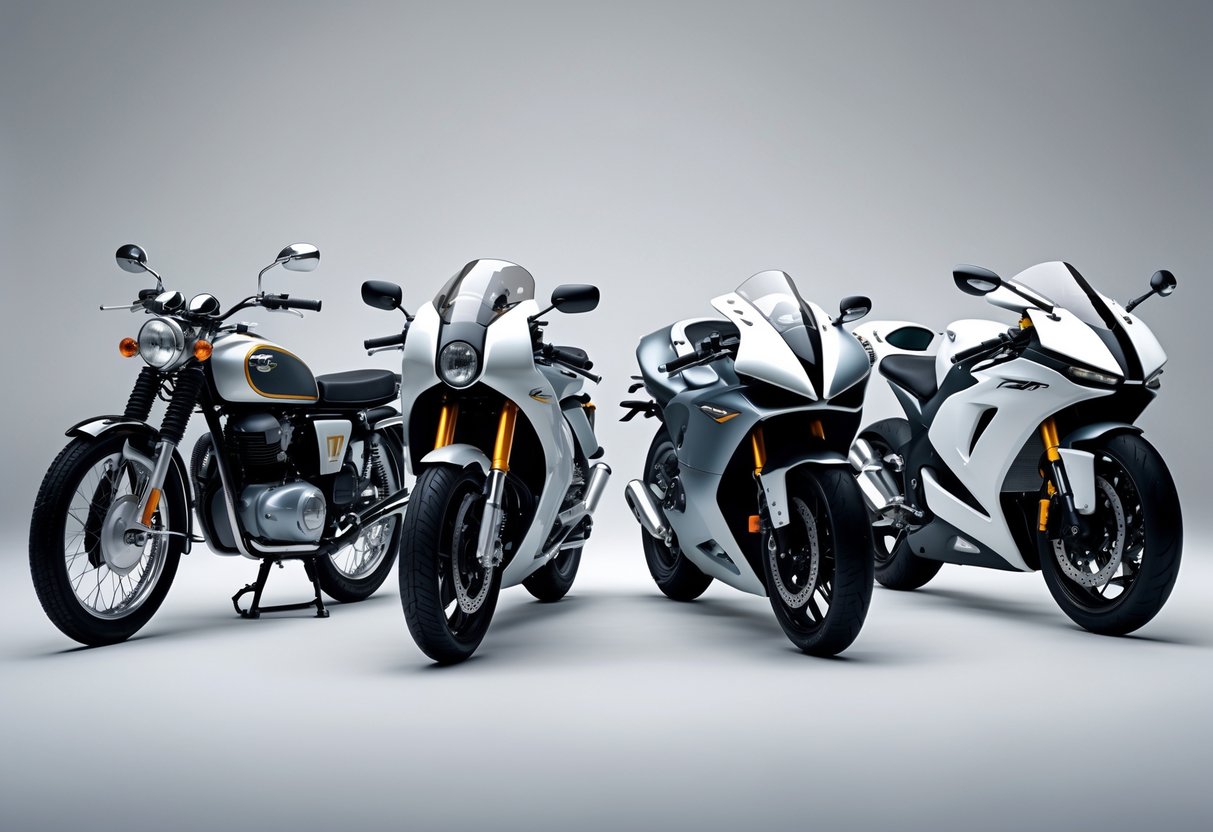
Motorcycle designers are pushing boundaries with electric powertrains, smart connectivity systems, and lightweight materials that improve both performance and safety. The industry is shifting toward sustainable production methods while integrating advanced rider assistance technology.
Modern motorcycles incorporate advanced rider assistance systems that actively prevent accidents. Adaptive cruise control maintains safe distances from other vehicles, while blind-spot monitoring alerts riders to dangers they cannot see. Collision detection systems can automatically apply brakes when sensors identify potential impacts.
Smart helmets now feature heads-up displays that project navigation and speed information directly into a rider’s field of vision. This technology keeps critical data visible without requiring riders to look away from the road. Voice controls allow hands-free operation of communication and navigation systems.
Vehicle-to-vehicle communication systems enable motorcycles to exchange information with cars and trucks. These networks share data about traffic conditions, road hazards, and vehicle positions. The technology creates a safer environment as autonomous vehicles become more common on roads.
Telematics systems track maintenance needs and provide real-time diagnostics. GPS integration offers accurate navigation while monitoring riding patterns. Remote diagnostics alert riders to mechanical issues before they cause breakdowns, improving overall reliability.
Minimalist bodywork defines the futuristic look of contemporary motorcycles. Clean lines and sharp angles reduce aerodynamic drag while creating distinctive visual profiles. Manufacturers are eliminating unnecessary components to achieve sleeker silhouettes.
LED technology enables integrated lighting designs that were impossible with traditional bulbs. Slim headlights, taillights, and turn signals blend seamlessly into body panels. These energy-efficient systems consume less power while providing brighter illumination.
Key aesthetic elements include:
Dynamic design now balances form with function. Every curve serves a purpose, whether reducing wind resistance or improving rider comfort.
Self-balancing technology keeps motorcycles upright without rider input. Yamaha and Honda have tested systems that maintain stability at standstills and low speeds. This cutting-edge technology makes riding more accessible to beginners while reducing tip-over accidents.
Carbon fiber frames and body panels offer exceptional strength at minimal weight. Magnesium and titanium alloys provide similar benefits for high-performance components. Advanced composites combine multiple materials to optimize durability and reduce mass.
Electric powertrains are entering the performance segment with instant torque delivery. Next-generation battery cells extend riding range while reducing charging times. These systems match traditional combustion engines in power output while eliminating emissions.
Recycled plastics and renewable composites are replacing conventional materials in production. Energy-efficient manufacturing processes lower the carbon footprint of motorcycle production. Sustainable sourcing of metals reduces environmental impact across the supply chain.
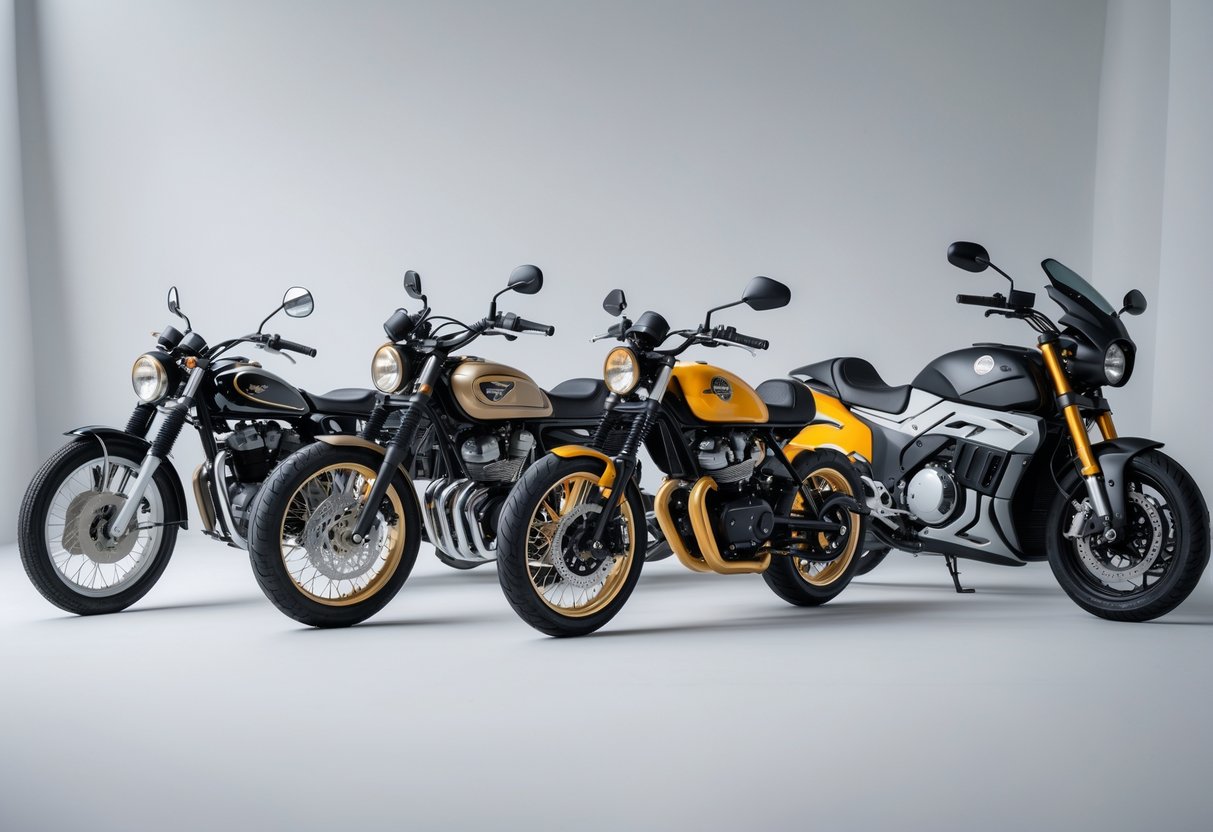
Motorcycle design has transformed significantly through innovations in aerodynamics, ergonomics, technology, safety, aesthetics, and racing influence. These changes reflect both engineering progress and shifting rider demands across different eras.
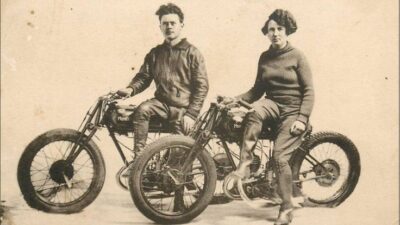
Early motorcycles from the 1900s through the 1940s had little consideration for aerodynamics. Riders sat upright on bikes that resembled motorized bicycles with exposed engines and minimal bodywork.
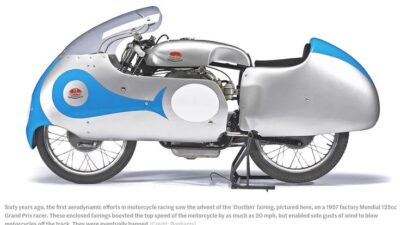
The 1950s and 1960s brought the first major shift when manufacturers began adding fairings to racing bikes. These streamlined covers reduced wind resistance and improved top speeds. Street motorcycles soon adopted similar designs.
By the 1970s and 1980s, wind tunnel testing became common in motorcycle development. Designers created more integrated fairings that directed airflow around the rider. This reduced drag and improved fuel efficiency.
Modern motorcycles use computer modeling to optimize every curve and surface. Windscreens now adjust to different heights. Body panels channel air to cool engines while reducing turbulence that causes rider fatigue.
Early 20th century motorcycles offered minimal comfort features. Riders sat on hard leather saddles with rigid frames that transferred every bump directly to their bodies. Handlebars were positioned primarily for steering control rather than comfort.
The introduction of rear suspension systems in the 1920s marked the first major ergonomic improvement. Front suspension followed, with telescopic forks becoming standard by the 1950s. These changes significantly reduced rider fatigue on longer trips.
The 1970s saw manufacturers develop different riding positions for various bike types. Sport bikes positioned riders forward for better control at high speeds. Cruisers offered a laid-back position with feet forward and arms relaxed.
Modern motorcycles feature adjustable components that accommodate different body types. Seats use gel inserts and memory foam for extended comfort. Handlebars, foot pegs, and levers can be repositioned to fit individual riders.
The electric starter replaced kick-starters in the 1960s and 1970s, making motorcycles accessible to more riders. This simple innovation changed how manufacturers could design engines and frame layouts.
Disc brakes began replacing drum brakes in the early 1970s. They provided better stopping power and required less maintenance. This advancement allowed designers to create faster, heavier motorcycles safely.
Fuel injection systems started replacing carburetors in the 1980s and became standard by the 2000s. These systems improved fuel efficiency, reduced emissions, and provided better engine performance across different conditions.
Electronic rider aids emerged in the 2000s and transformed modern motorcycle capabilities. Anti-lock braking systems prevent wheel lockup during hard stops. Traction control monitors rear wheel spin and adjusts power delivery. Ride-by-wire throttle systems allow multiple power modes for different riding conditions.
The 1970s marked the beginning of mandatory safety standards in many countries. Manufacturers added better lighting systems with sealed beam headlights and turn signals. Reflectors became standard equipment on all motorcycles.
Brake systems saw major safety improvements starting in the 1980s. Dual front disc brakes provided stronger stopping power. Linked braking systems connected front and rear brakes for more balanced stopping.
The 2000s brought electronic safety systems previously only found in cars. Anti-lock braking systems became available on high-end models and gradually spread to more affordable bikes. These systems help riders maintain control during emergency stops.
Current motorcycles include advanced safety technology as standard equipment. LED lighting improves visibility to other drivers. Tire pressure monitoring systems alert riders to potential problems. Some models now feature blind spot detection and adaptive cruise control.
The 1950s and 1960s reflected post-war optimism with chrome-heavy designs and bright colors. Riders wanted motorcycles that looked impressive and showcased craftsmanship. Large fuel tanks and elaborate paint schemes dominated this era.
The 1970s brought a shift toward functional design influenced by Japanese manufacturers. Consumers valued reliability and practicality over pure style. Simpler designs with less chrome and more painted surfaces became popular.
Retro styling emerged as a major trend in the 1990s and continues today. Manufacturers revived classic designs from the 1960s and 1970s with modern technology underneath. Riders wanted the vintage look combined with current performance and reliability.
Current consumer preferences vary widely across different market segments. Some riders prefer minimalist designs with exposed engines and simple lines. Others want fully-faired sport bikes with aggressive styling. Custom and personalization options have become standard offerings from major manufacturers.
Racing has served as a testing ground for motorcycle innovations since the early 1900s. Manufacturers competed to prove their engineering capabilities and develop better components. Technologies that worked on the track eventually made their way to production bikes.
Grand Prix racing in the 1960s and 1970s pushed development of two-stroke engines and improved suspension systems. These advancements helped create lighter, faster street motorcycles. Disc brakes moved from race bikes to consumer models during this period.
Superbike racing in the 1980s and 1990s drove improvements in frame design and engine technology. Aluminum frames replaced steel on high-performance bikes. Four-valve cylinder heads and liquid cooling became standard features on sport motorcycles.
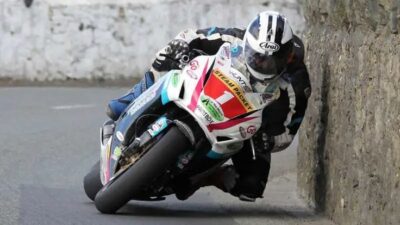
Modern MotoGP racing continues to influence production bike development. Electronic rider aids tested in racing trickle down to street bikes within a few years. Aerodynamic winglets first appeared on race bikes in 2015 and now feature on some high-performance street models.